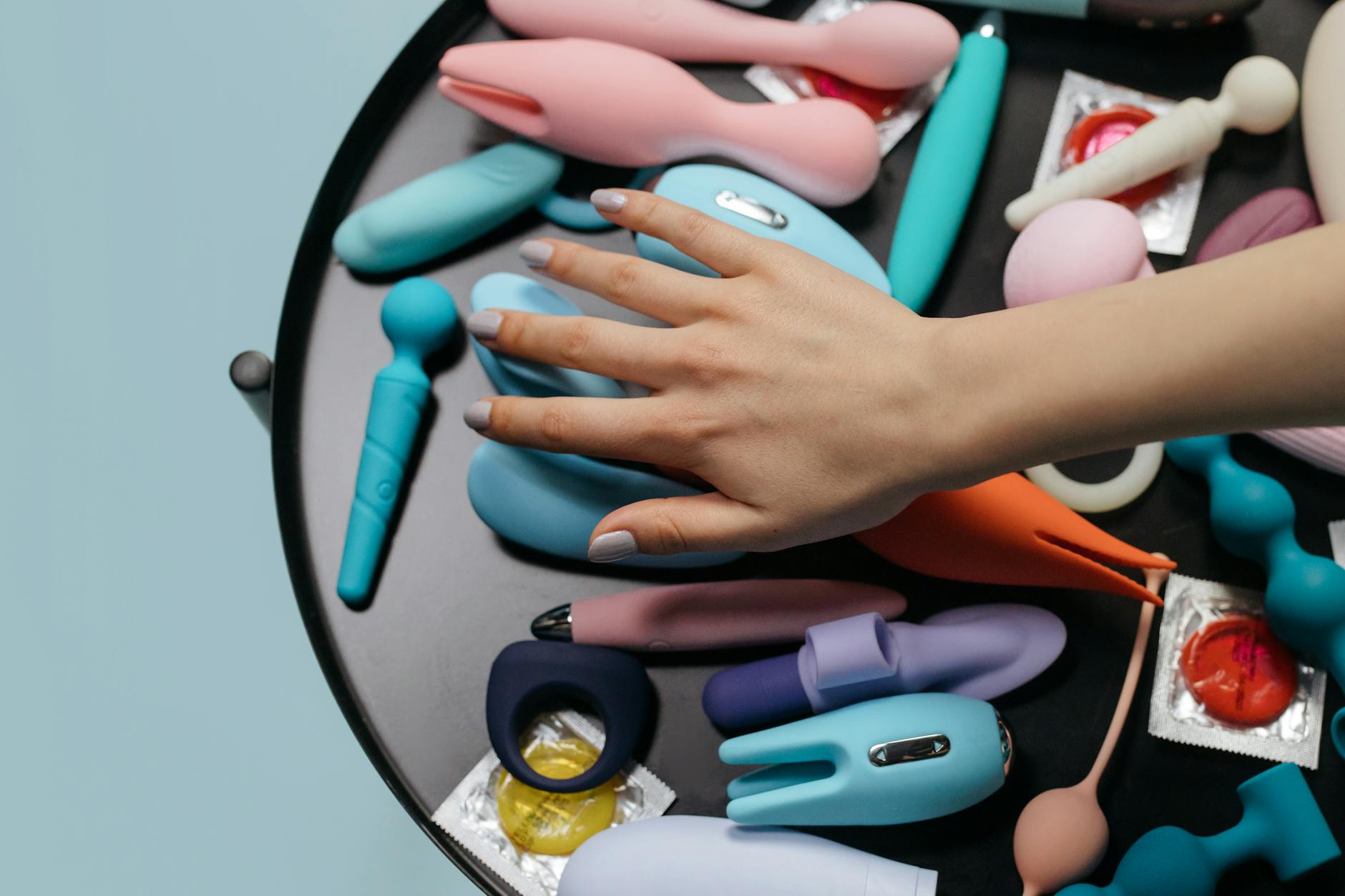
Here's the thing about hypersensitivity
Your clitoris is suddenly untouchable. What used to feel amazing now feels like someone's running sandpaper over a nerve ending. You're not broken. You're not overreacting. Your body is doing exactly what it's designed to do.n Hypersensitivity in the clitoral area happens for real, specific reasons. And while it might feel like you've lost your pleasure settings permanently, what's actually happened is your sensitivity dial has shifted. That's manageable. That's fixable. That's exactly what lemon vibrators and the right technique can help you navigate.
The good news: you don't have to choose between pleasure and comfort. You just need to recalibrate.
Why your clitoris becomes hypersensitive
Hypersensitivity usually shows up for one of three reasons, and knowing which one is happening helps you pick the right fix.
Inflammation or micro-irritation. Sometimes the tissue itself is irritated. This could be from friction, a new product, or even just a change in how your laundry detergent feels against the area. The tissue gets a little raw, which makes every sensation feel amplified. This usually passes in a few days to a week with rest.
Nerve inflammation. Your clitoral nerves can get inflamed or sensitized, especially after intense or prolonged stimulation. This is like when your lip feels tender after you bite it. The nerve ending is swollen and firing more easily. It's temporary, but it means you need to dial back the intensity.
Hormonal surges. Right before your period, estrogen and progesterone fluctuate dramatically. Some people's clitorises become wildly sensitive during this window. Others get numb. The hormonal shift is real, and it's not permanent.
Psychological tension. Sometimes hypersensitivity is your nervous system's way of saying you're stressed, anxious, or not fully present. When you're braced or distracted, your body can misinterpret sensation as threatening rather than pleasurable. This one's worth noting because it changes your fix.
How lemon vibrators help (when you think they'll make it worse)
Your instinct might be to avoid any stimulation when everything feels too intense. That makes sense. But completely stopping often makes the hypersensitivity worse because your nervous system stays in that protective mode.
Lemon vibrators help because they offer what I call "graduated desensitization." The suction-based design of a lemon vibrator works differently than a traditional vibrator. Instead of direct friction on already-inflamed tissue, suction creates a gentle pulling sensation. This has two effects:
First, it stimulates the area without the intensity of direct pressure. You're not touching the most sensitive tissue directly. The suction brings nerves and blood flow to the surface, but gently.
Second, it can actually help reset the nervous system's threat response. When your body learns that gentle, controlled sensation is safe and pleasurable, it stops bracing. Over time, this actually reduces hypersensitivity.
This is the opposite of what most people expect. They think "if I'm too sensitive, I should avoid stimulation." In reality, gentle, controlled stimulation on your own terms is what teaches your nervous system to relax.
The exact technique when everything feels too much
Start here and work up from this baseline.
Step one: Use lube, even if you don't think you need it. Hypersensitivity often comes with less lubrication because inflammation or tension dries things out. Water-based lube isn't about fullness or slickness. It's a buffer that reduces friction. Use it generously.
Step two: Start with the lemon vibrator off your body entirely. Let it sit between your inner thighs or against the outer labia for a minute while it's off. This acclimates your nervous system to the object. You're telling your body "this is safe to be here."
Step three: Turn the vibrator on at pattern one (the lowest setting). On most lemon clitoral vibrators, this is a gentle pulse. Do not go to rhythmic or pulse. Stay at the lightest option.
Step four: Position it against the pubic mound, not directly on the clitoris. The pubic mound sits above your clitoris and has thicker tissue. It's less sensitive but still responds beautifully to suction. Spend 3-5 minutes here. No performance pressure. You're just reintroducing sensation.
Step five: If that feels good, gradually shift the vibrator so it's approaching the clitoral hood (the tissue that covers the clitoris). Not the clitoris itself yet. The hood. Spend another 3-5 minutes.
Step six: Only when that feels good do you let it make very light contact with the clitoris itself, still at pattern one. You might need to angle it so it's barely touching. Many people find that holding it at a slight angle rather than perpendicular means less direct pressure.
Step seven: Stay at pattern one until you're actually enjoying it. This might take three sessions, or three weeks. Your nervous system needs time to relearn that this sensation is safe. Rushing defeats the purpose.
The patience part (which is harder than the technique part)
Here's what I tell my clients: hypersensitivity isn't a problem you solve in one session. It's something you retrain your nervous system out of. That takes repetition and consistency.
Most of the time, your body will recalibrate faster if you use the lemon vibrator every other day at the lowest setting for 10-15 minutes than if you push intensity when everything feels raw. Your nervous system needs to feel safe with sensation before it can enjoy it again.
If you're in a relationship, tell your partner what's happening. "My body feels overwhelmed right now. I'm not rejecting you. I'm retraining my pleasure response with gentle stimulation on my own timeline." This prevents your partner from taking the hypersensitivity personally and gives you space to work through it without pressure.
When to actually pause and get support
Hypersensitivity usually resolves in a few weeks with the graduated approach. If it's been longer than a month and nothing has shifted, or if you're experiencing pain rather than just uncomfortable sensation, check in with a gynecologist. Sometimes hypersensitivity is a sign of dermatitis, an allergic reaction, or a nerve issue that needs actual medical attention.
How to adjust as sensation normalizes
Once you're comfortable at pattern one, you don't necessarily need to escalate. Some people find that pattern one with the lemon vibrator is now their preferred setting, and that's totally fine. Pleasure isn't about reaching the highest intensity. It's about what actually feels good to you.
If you want to explore higher patterns, move gradually. Spend a full week at pattern two before trying pattern three. Your nervous system will thank you.
Many people who've worked through hypersensitivity with a lemon vibrator find that they're actually more aware of subtle sensation now. The process of retraining teaches you what you actually enjoy, rather than what you think you should enjoy.
Hypersensitivity doesn't mean you're broken
Your body isn't punishing you. It's protecting you. And protection is actually wisdom. The work is teaching your nervous system that pleasure and safety can coexist.
A lemon vibrator is particularly good for this because the suction design doesn't require you to push through discomfort. You can find the exact edge where sensation feels good instead of overwhelming. That precision makes it possible to actually retrain your response rather than just white-knuckling through it.
The other thing: hypersensitivity is temporary. Even if it doesn't feel that way right now. Give yourself time, use the graduated approach, and most importantly, stop treating your body like it's malfunctioning. It's not. It's just recalibrating.
If you've experienced similar shifts with other aspects of pleasure, you might find help in understanding how sensation changes over time or when direct clitoral touch becomes uncomfortable. The thread connecting all of these is the same: your nervous system is responding to something, and patience plus the right technique gets you through it.
FAQ
What if I'm hypersensitive only at certain times of my cycle?
That's hormonal. Right before your period, progesterone peaks and estrogen drops, which increases clitoral sensitivity for many people. It's real and completely normal. During that window, stick to the lowest settings and give yourself more time between sessions. Your sensitivity will normalize after your period starts. Tracking when it happens helps you plan pleasure around your cycle rather than fighting it.
Can a lemon vibrator make hypersensitivity worse?
Not if you start at the lowest setting and progress gradually. The problem happens when people use high patterns on already-inflamed tissue. That's friction on irritation, which does make it worse. Start low, stay low, and only move up when your body tells you it's ready. That's how you use a lemon vibrator safely when you're hypersensitive.
How long does it usually take for hypersensitivity to go away?
Typically two to four weeks with consistent, gentle stimulation. Some people see shifts in days. Some take longer. The timeline depends on what caused it. If it's hormonal, it'll shift with your cycle. If it's nerve inflammation, it needs time to calm down. If it's psychological, it might need you to address what's underneath the tension. Be patient with your timeline.
Is it normal for my clitoris to feel sensitive on one side more than the other?
Yes, and it's common. Asymmetry happens because nerve density varies slightly, and inflammation or irritation might affect one side more than the other. Using the lemon vibrator, you can angle it to spend more time on the less sensitive side, essentially bringing them into balance. This often corrects over time as stimulation normalizes both sides.
Should I take a break from any stimulation, or does the lemon vibrator actually help?
Gentle, low-intensity stimulation actually helps more than complete avoidance. When you avoid all sensation, your nervous system stays in protective mode. Gentle stimulation tells your system "this is safe." A lemon vibrator at the lowest setting is perfect for this because it's stimulation without force. You're reintroducing pleasure slowly.
What if lube makes the hypersensitivity worse?
Some people find that certain lubes irritate already-sensitive tissue. If that's you, try a different type. If you're using silicone-based lube, switch to water-based. If it's scented, try unscented. Sometimes the hypersensitivity is partly a reaction to the product, not just the stimulation. Once you find a lube that doesn't irritate, the rest of the technique works better.
Is there anything I should do between lemon vibrator sessions to help?
Yes. Cotton underwear instead of synthetic fabrics. Loose pants when possible. Avoid scented anything near the area. If you're menstruating, change your period products more frequently because moisture and prolonged contact can irritate. And honestly, just stay hydrated and manage stress where you can. A nervous system that's already tense makes hypersensitivity worse. Small things matter.