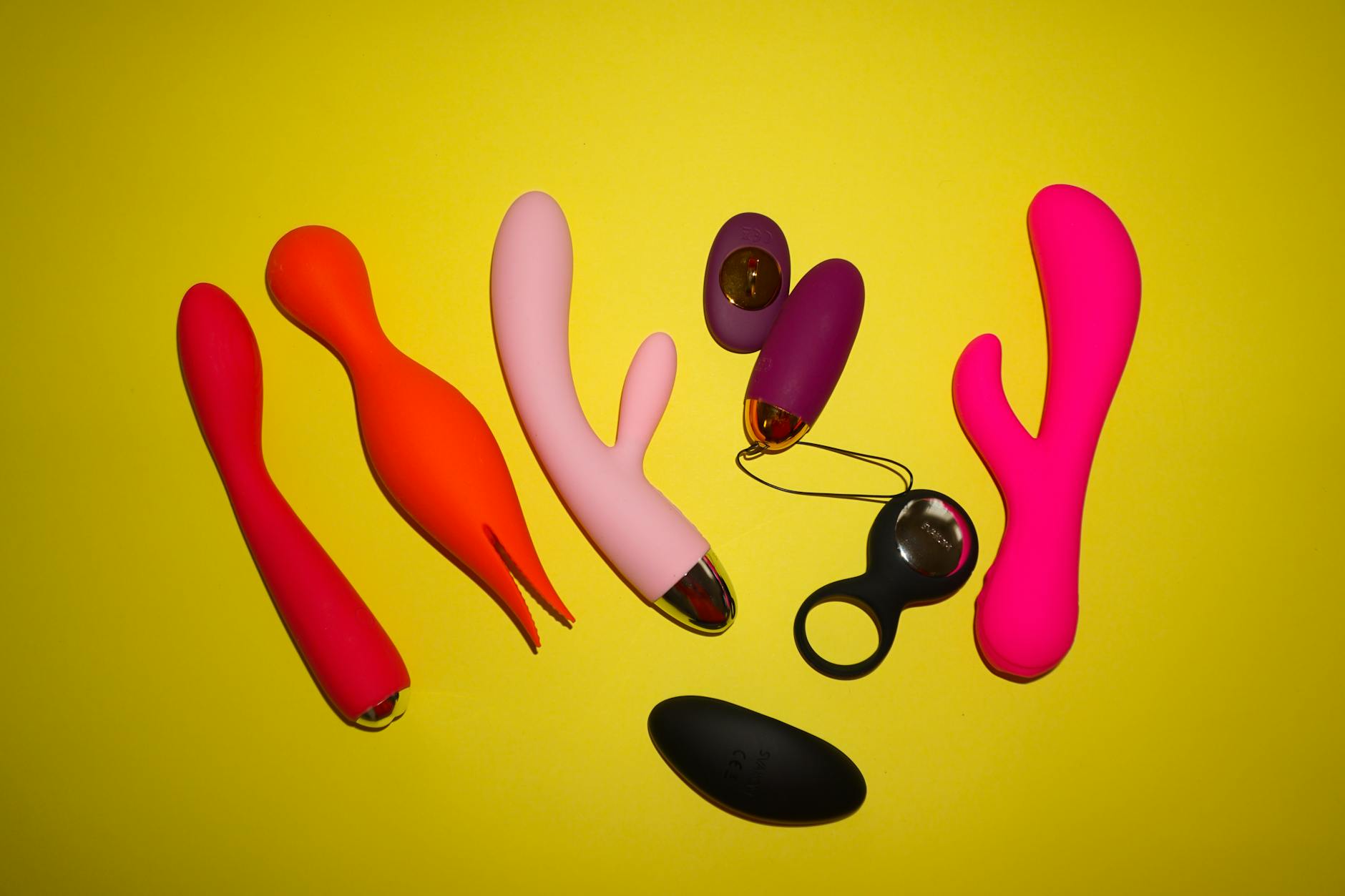
Here's what nobody tells you about sensitivity
Choosing a lemon vibrator isn't about finding the strongest one. It's about finding the one that matches your nervous system, your anatomy, and what your body actually wants right now. That last part matters because sensitivity isn't fixed. It changes with hormones, stress, time of day, and what's happened in your body recently.
Most people pick a toy based on reviews from people with completely different bodies. Then they use it wrong, feel like something's broken, and assume the problem is them. The problem is almost always a mismatch between the toy and the person holding it.
Why sensitivity varies more than you'd think
Your clitoris has about 8,000 nerve endings packed into a tiny area. That density means variation matters wildly. Two people with similar anatomy can have completely different sensitivity profiles because nerve distribution isn't uniform. Some people are most sensitive to patterns, some to direct suction, some to broad pressure. Some are wildly sensitive and need gentleness. Others have low sensitivity and need serious intensity.
Birthdays change it. ADHD meds change it. New partners change it. Hormonal shifts change it. Stress tanks sensitivity. So does depression and anxiety. Recovery from yeast infections and UTIs? Sensitivity is through the roof afterward. If you bought a toy two years ago and it doesn't feel right now, your body probably isn't the problem.
The best lemon vibrators come with range. A good lemon clitoral vibrator should start at a gentle pulse and work up through intensity levels so you can meet your body where it is on any given day.
The three sensitivity profiles and what they need
Profile 1: Highly sensitive (low pain threshold)
You probably already know this about yourself. Light touch feels intense. Deep pressure feels painful. The good news: you need a toy with a broad contact surface and gentle starting intensity. Suction-based toys like the lemon vibrators from Helonancyslems work beautifully here because suction stimulates broadly across tissue instead of vibrating intensely on one point. Start on pattern 1 or 2. You might never need to go higher, and that's completely fine.
If you're recovering from a yeast infection or other vulvovaginal issue, temporary heightened sensitivity is normal. A lemon sucker designed for gentle pressure is often better than a traditional vibrator until healing is complete.
Profile 2: Moderate sensitivity (the middle ground)
You like sensation but not pain. You can enjoy a range of patterns and intensities depending on the day. Most commercial lemon vibrators are built for you, which is why the middle-sensitivity people often accidentally buy toys that are either underwhelming or intense. If that's your experience, the fix is usually starting with pattern 1 even if the toy has more powerful settings. You might be surprised what you need.
When in doubt, aim for longer warm-up time over more intensity. How to Use a Lemon Vibrator for Better Pleasure When You're Over-Sensitive walks through this in detail. The pattern matters more than the power.
Profile 3: Low sensitivity or numbness
You need stronger stimulation or more variety to feel anything. This isn't abnormal. Depression, anxiety, some antidepressants, and unresolved trauma all reduce sensation. So does routine and numbness from the same stimulus over and over. You probably want a toy with several distinct patterns and the ability to layer stimulation. If you're using a lemon clitoral vibrator and feeling nothing, try a different pattern rather than just pushing harder. Your nervous system might wake up to novelty faster than to intensity alone.
If low sensitivity came on suddenly after starting medication, that's worth discussing with your doctor. A small adjustment sometimes restores sensation completely. If it came after stopping birth control, hormonal rebalancing takes time. See How to Use a Lemon Vibrator for Better Pleasure After Stopping Birth Control for a deeper look at this transition.
The features that actually matter
Suction versus vibration
Lemon vibrators designed with suction technology create a gentle seal and pulse across a broader area of tissue. This is gentler than direct vibration, which concentrates stimulation on a smaller point. If you're sensitive, suction wins. If you want intensity, suction can deliver it without pain because it distributes force. A standard clitoral vibrator uses direct vibration, which is powerful and precise but can feel too intense for sensitive bodies. Try both to know your preference.
Pattern count and variety
More patterns are genuinely useful if you experience numbness or routine numbness. Your nervous system habituates to the same stimulus fast. Five distinct patterns mean you can surprise your body and keep sensation alive. If you're already sensitive, three good patterns might be all you need. Scroll through the settings before you buy, if reviews include demo videos.
Intensity range
A toy that starts gentle matters more than one that goes extremely strong. You can always turn it up. You can't turn it down below one. If the weakest setting feels too intense, the toy is wrong for you right now. That doesn't mean you should never buy another toy. It means this one isn't the match.
Material and contact surface
Medical-grade silicone or glass is the standard. Feel matters. Some lemon adult toys have a tapered or pointed tip, which concentrates sensation. Others have a broader, rounder head. Sensitivity usually pairs with a preference for broader contact (distributes pressure more comfortably). Low sensitivity often pairs with a preference for a more focused tip. Neither is objectively better. Your body knows which feels better.
The signals your current toy is wrong
Pain during use (not the good kind). Numbness even at the highest setting. Feeling like you have to work too hard to reach sensation. Soreness afterward. Any of these mean the match is off. A bad match isn't a personal failure. It's just information.
Before you buy a new toy, run a quick audit. Are you using the toy the way it's designed? Are you giving yourself enough warm-up time? Have you tried every pattern? If the answer is yes to all three and you still feel nothing, move on. Life's too short for toys that don't fit.
The role of context you can control
Stress tanks sensitivity. So does dehydration. So does skipping sleep. If your sensitivity has shifted recently, look at those first. Sometimes a lemon vibrator feels less intense not because the toy is wrong but because your nervous system is fried. Rest, hydration, and a week with less stress often restore baseline sensation more than a new toy will.
Partner presence changes everything. How Lemon Vibrators Help Partners Reconnect After Drift explores this, but the short version: many people are less sensitive when a partner is watching, more sensitive when alone. That's normal. Adjust your expectations accordingly.
Timing in your cycle matters too. Sensitivity often dips a few days before your period, peaks around ovulation. If you're tracking this and noticing patterns, use gentler toys during low-sensitivity windows and save intense play for peaks.
Spotting your sensitivity baseline
You don't need a toy to know your baseline. Solo exploration first, before you buy, gives you real data. Spend 10 minutes with your hand. Notice what pressure feels good. Notice what rhythm your body wants. That's your baseline. Now pick a lemon clitoral vibrator that matches or slightly exceeds that, not one that doubles it.
If you've never owned a sex toy, that exploration is even more important. How to Start Using Lemon Vibrators When You've Never Owned a Toy covers the mental and physical setup. But the sensitivity baseline is something you discover, not something I can tell you.
When sensitivity shifts after major life events
Hysterectomy, IUD insertion, stopping or starting birth control, new antidepressants, recovery from sexual trauma. All of these can shift your baseline temporarily or permanently. If sensitivity is lower than usual, resist the urge to blame yourself or assume you're broken. Your body is adapting. A lemon sucker is useful here because you can adjust intensity and pattern as healing happens. Start gentle. Work up slowly. Your baseline will stabilize.
The final piece: permission to change your mind
Your sensitivity in 2026 is not your sensitivity in 2024. Your needs shift. The toy that was perfect last year might not be perfect now. That's not a waste. That's information about how your body works. Keep toys that still serve you. Donate or responsibly recycle the rest. Buy new ones without guilt.
The goal isn't to own the perfect lemon vibrator forever. The goal is to own a lemon adult toy that fits right now, today, in your actual body with your actual nervous system and your actual context. That fit changes. And that's completely okay.
Frequently asked questions about lemon vibrator sensitivity
What if a lemon vibrator feels too intense on every setting?
The toy probably isn't the right match for your current sensitivity. Try suction-based toys instead, which distribute stimulation more broadly and feel gentler. Start with the lowest possible intensity and give yourself extra warm-up time (20+ minutes). If it still feels too intense, the toy isn't wrong. It's just not for you right now. That changes over time.
Can I become less sensitive to a lemon clitoral vibrator over time?
Yes, and this is called habituation. Your nervous system adapts to repetitive stimuli. The solution is pattern switching (if your toy has multiple patterns) or occasionally taking a break from that toy to let sensitivity reset. Varying sensation is actually more effective than increasing intensity for maintaining response over time.
Does sensitivity change after starting or stopping hormonal birth control?
Absolutely. Birth control shifts hormones, which directly affect clitoral blood flow and tissue sensation. The change can go either direction. Some people become more sensitive, others less. It typically stabilizes within 2-3 months of a change, but full adjustment can take longer. Patience and toy flexibility help during this transition.
Should I buy a toy designed for sensitive bodies or a general toy?
If you're highly sensitive, look specifically for toys marketed with terms like gentle, suction-based, or low-intensity starting point. If you're moderate sensitivity, most mainstream lemon vibrators will work. If you have low sensitivity, look for pattern variety and mid-to-high intensity range. Don't buy based on assumptions about yourself. Buy based on what you actually feel in your body.
Is it normal for sensitivity to vary day to day?
Completely normal. Hormones, stress, sleep, hydration, what you ate, what happened to you that day, your mental state, your relationship status. All of it affects sensitivity. Having a toy with range means you can meet yourself where you are today instead of forcing yourself to fit the toy.
What if my sensitivity is low because of depression or anxiety?
Toys aren't a substitute for treatment, but they can support recovery. Lower sensitivity during depression is real and biological, not a character flaw. A lemon vibrator with multiple patterns and adjustable intensity gives you options as your capacity returns. Pair that with movement, sleep, and professional support if you need it.
Your pleasure matters. Choosing a lemon vibrator that fits your actual sensitivity level is how you honor that.