Here's the thing nobody warns you about
When you stop taking hormonal birth control, your body doesn't just return to factory settings. It recalibrates entirely. Desire shifts. Arousal takes a different shape. Orgasms might feel sharper, softer, faster, or completely absent for a while. And if you're not expecting it, you might spend weeks thinking something's broken when really you're just meeting a version of yourself you haven't felt in years.
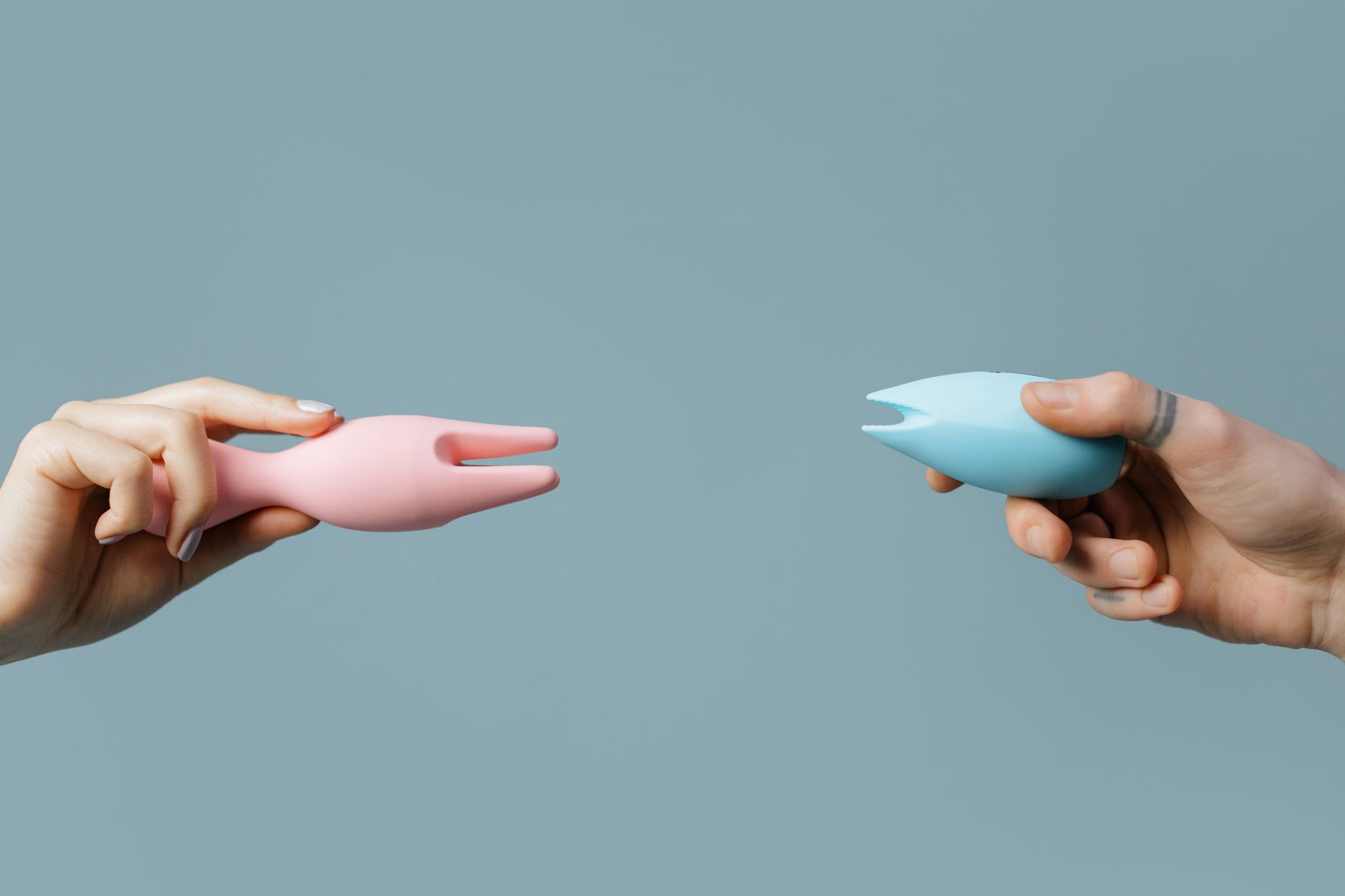
I work with people through this transition constantly. The pattern is always the same: shock, confusion, then slowly, a kind of reclamation. A lemon clitoral vibrator like the Lem becomes an invaluable tool during this window because it helps you map the new geography of your pleasure without judgment or pressure.
What happens physiologically when you stop
Hormonal birth control suppresses ovulation, which means it keeps your estrogen and progesterone levels artificially flat. The moment you quit, your hormones start cycling again. Over about three months, your natural rhythm restarts. But here's what catches people off guard: sensation during this reset is wildly unpredictable.
In the first few weeks off hormonal contraception, some people report heightened arousal and more intense orgasms. Others experience the opposite: diminished sensation, lower libido, difficulty reaching climax. Both are completely normal and temporary. Your nervous system is adjusting to neurotransmitter shifts. Your clitoral tissue is becoming more sensitive as blood flow normalizes. Your brain is re-learning what turns you on without pharmaceutical suppression.
The variability can be destabilizing. You might have an amazing week, then nothing for ten days. A lemon vibrator doesn't fix that hormonal rollercoaster, but it gives you agency within it. Instead of waiting passively for your body to "cooperate," you're actively experimenting with what works right now.
Why sensation changes (and why it's not all bad)
Think of hormonal birth control as a dimmer switch on your pleasure response. It doesn't turn you off, but it reduces the signal. When you stop, that dimmer moves back toward normal, and suddenly the volume is louder. But louder doesn't always mean better immediately.
Some people's nervous systems are hypersensitive in the first month off hormonal contraception. The clitoris is densely packed with nerve endings, and with hormonal stabilization comes increased blood flow to the pelvic region. Direct vibration that felt amazing two months ago might now feel overwhelming. That's where the Lem shines. Lemon clitoral vibrators use gentle suction rather than harsh vibration, which means you get stimulation without the same mechanical intensity.
Others find their arousal takes longer to build. The hormonal shift means your body doesn't auto-respond to touch the way it might have on the pill. This isn't dysfunction. It's an invitation to slow down and pay attention. You're learning what actually turns you on, separate from chemical assistance.
The mental piece matters as much as the physical
Honestly though, the bigger shift isn't usually physical. It's psychological. Birth control, especially for years or decades, creates a peculiar disconnect. You stop having a cycle. You control your fertility with zero bodily awareness required. Pleasure, if you're accessing it, often feels unconnected from your biological self.
When you quit, you're suddenly aware of your body again in a way that can feel uncomfortable. Your cervix does things. Your mood shifts week to week. Your arousal tracks differently. Some people find this reconnection beautiful and grounding. Others find it destabilizing, especially if they quit contraception due to side effects like depression or lowered libido that the pills themselves created.
Using a clitoral vibrator during this transition can be genuinely helpful as a grounding practice. It's time set aside to inhabit your body without expectation. Not for a partner. Not on a schedule. Just you and sensation.
How to actually use a lemon vibrator in this phase
First, timing matters. If you just quit hormonal contraception in the last week or two, don't expect your pleasure response to feel familiar. Give yourself at least two to three weeks before you judge what works. Your hormones are still settling.
Start at the lowest setting. Yes, even if you loved maximum intensity before. Your sensitivity is different right now, and you'll find your true comfort level faster by going low and building up than by starting intense and backing off.
Use lube. This sounds basic, but when people stop hormonal birth control, tissue thickness can temporarily change. Water-based lubricant makes everything feel better and removes friction that might feel jarring instead of pleasurable. The combination of gentle suction from a lemon vibrator plus lube creates the optimal conditions for exploration without pressure.
Let yourself have no orgasm as a valid outcome. This is the most important one. If you come off birth control expecting your old pleasure response to snap back, you'll be disappointed some days. Instead, think of these sessions as information gathering. Notice what feels good. Notice what timing shifts the sensation. Notice whether you want more intensity or less. You're building a new map of your own pleasure.
The timeline for stabilization
Most people's pleasure response stabilizes three to six months after stopping hormonal contraception. That doesn't mean it's back to "normal." It means your body has adjusted to its natural rhythm, and you've learned what works in this version of yourself.
During that window, lemon clitoral vibrators are especially useful because they're forgiving. You can use them when you're not sure how your body will respond. You can stop instantly if something doesn't feel right. You can explore at your own pace without worrying about a partner's timeline or needs.
What to expect emotionally
Pleasure isn't just sensation. It's wrapped up in how you feel about your body, your autonomy, and your right to desire. Coming off birth control often triggers deeper feelings about all three.
You might feel angry that hormonal contraception flattened your libido for years and nobody mentioned this would be part of the trade-off. You might feel vulnerable reconnecting with desire after suppressing it chemically. You might feel grief if quitting contraception means you're back to managing fertility through consciousness instead of chemicals.
All of that is normal. And honestly, many people find that working through it with a tool like a lemon vibrator helps because you're in control of the pace and the intensity. There's no performance pressure. There's just you, your body, and the experiment of reconnection.
When to reach out for support
If you're three months off hormonal contraception and your pleasure hasn't returned at all, that's worth discussing with a doctor. Sometimes quitting birth control unmasks a separate issue like depression, low testosterone, or pelvic floor dysfunction that was masked by the hormones themselves.
If pleasure was suppressed by the birth control and quitting has actually unlocked something beautiful, lean into that. If it's created new challenges, that's also real and worth addressing with a practitioner who understands both sexual health and hormonal shifts.
The reconnection piece
Here's what I've seen happen over and over: people quit hormonal birth control, spend a few months navigating the sensitivity and emotional shifts, and somewhere around month four or five, they realize they're feeling desire again. Not the chemically-muffled version from before. Something sharper and more authentic. They know what turns them on. They can feel their body responding. They're not waiting for medication to make them feel like having sex.
A lemon vibrator is just one tool through this transition. But it's a good one because it meets you where you are right now, not where you used to be or think you should be. Your pleasure matters. Your body's readjustment is valid. And you deserve to feel good on your own terms.
FAQ
How long after stopping birth control can I use a vibrator?
You can start exploring immediately if you want to. There's no physical reason to wait. That said, your sensation might feel off for a few weeks, so managing expectations helps. Some people find that waiting a month gives their body time to adjust before introducing tools. Others prefer to start exploring right away to understand their new normal. There's no wrong timeline here.
Will my orgasms feel different after stopping birth control?
Yes, and also maybe not. About 40 percent of people report more intense orgasms after quitting hormonal contraception. Some describe them as arriving faster or feeling sharper. Others experience them as softer initially, then more textured as their nervous system recalibrates. For a smaller group, orgasms temporarily become harder to reach. This usually resolves within three to six months. The variation depends on how long you were on hormones, which type you used, and your individual neurochemistry.
Can I use my lemon vibrator the same way I did while on birth control?
Probably not initially. Your sensitivity has shifted. Intensity that felt perfect three months ago might feel too strong now. Starting at a lower setting and working up is smarter than assuming your preferences stayed the same. Many people find they discover new favorite patterns and intensities during this transition, so treat it as an opportunity to experiment rather than a loss of what you had before.
What if I'm not feeling pleasure after a month off birth control?
Take a breath. One month isn't long. Your hormones are still settling, your nervous system is still adjusting, and your brain needs time to recognize arousal signals without pharmaceutical interference. A month of no interest is normal. Three months with zero shift is worth flagging to a healthcare provider, as sometimes quitting birth control unmasks an underlying issue that deserves attention.
Should I use lubricant with a lemon clitoral vibrator after stopping birth control?
Yes. Even if you never needed lube before, the tissue changes that happen after quitting hormonal contraception often make lubricant genuinely helpful. It reduces friction, increases comfort, and often enhances sensation. Water-based lube is your safest bet with silicone toys. You might find you need less lube as your hormones fully stabilize, but for the first few months, generous application removes unnecessary friction that could make exploration feel frustrating instead of good.
Is it normal to want sex more after stopping birth control?
Very normal. Hormonal contraception, especially the pill, often suppresses testosterone and libido. When you quit, those hormones rebalance, and many people experience a surge in desire. Some describe it as reclaiming a part of themselves they forgot existed. Others find it confusing or overwhelming if they've spent years with chemically-suppressed libido. Both reactions are valid. A lemon vibrator can help you explore that renewed desire at your own pace and on your own terms.
Sources
Harstad, E. B., et al. (2019). "Hormonal contraception and sexual function." Obstetrics & Gynecology, 134(4), 724-735.
Durso, G. F., et al. (2021). "Effects of oral contraceptive discontinuation on sexual function and satisfaction." Journal of Sexual Medicine, 18(6), 1087-1096.
Wallwiener, M., et al. (2015). "Prevalence of sexual dysfunction and impact of contraception in female German medical students." The Journal of Sexual Medicine, 12(5), 1193-1202.
Kirk, J., & Oerton, S. (2017). "Attitudes toward oral contraceptive use: The role of the pill in sexual health." Sexual and Reproductive Healthcare, 11, 23-30.