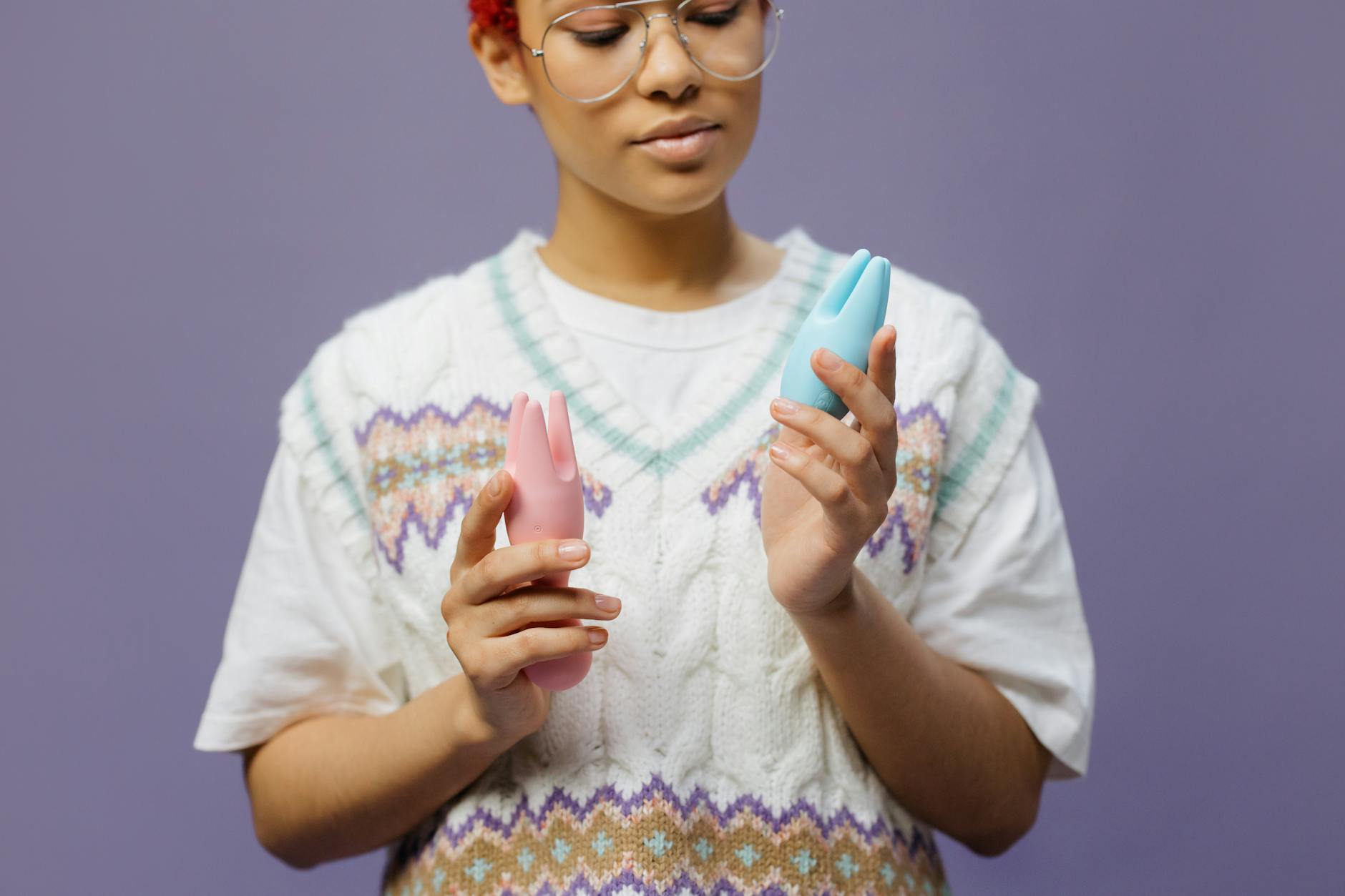
Why Lemon Vibrators Work Better for Sensitive Skin
Let's be real: sensitive skin and pleasure don't always get along. Irritation, friction burns, micro-tears, and that raw feeling the next day can make it hard to relax and enjoy yourself. But here's the thing. Lemon vibrators are actually engineered to work with sensitive skin, not against it. And once you understand why, you'll see why so many people with reactive skin gravitate toward them.
The problem with traditional vibrators and sensitive tissue
Most standard vibrators rely on rapid mechanical friction to deliver stimulation. That means the surface is moving side to side, up and down, or spinning against your skin at high frequency. For resilient skin, that works fine. For sensitive or reactive skin, it creates micro-trauma. You might not feel it during pleasure, but the next day brings tenderness, redness, or worse.
The issue gets amplified if you have conditions like vulvodynia, lichen sclerosus, or just naturally thin or delicate skin. Friction-based vibrators can feel like sandpaper. You end up either tensing up to protect yourself (which kills arousal) or powering through discomfort (which isn't worth it).
How lemon vibrators solve this differently
Lemon clitoral vibrators use suction and pulse technology instead of friction. Here's what that means in practice. Rather than the vibrator moving across your skin, it creates a gentle seal and rhythmic pressure against the clitoris. That pressure stimulates the dense nerve endings without any scraping or abrasion.
Think of the difference between someone rubbing your arm hard and someone gently pressing and releasing. Both feel good, but one leaves you marked and one doesn't. That's essentially the difference between friction vibrators and lemon suction vibrators. The lemon design is gentler by nature.
Material quality matters (and lemon toys get this right)
Lemon vibrators are typically made from medical-grade silicone. This matters because silicone has a smoother surface than rubber, jelly, or thermoplastic elastomer (TPE). A smoother surface means less friction, period. It also means the material won't degrade and shed particles into your skin, which some cheaper materials do over time.
Silicone is also non-porous, so it won't trap bacteria or accumulate residue that could trigger irritation. If you've had bad reactions to other toys, a smooth silicone lemon vibrator is often the turning point.
The pressure issue: why lemon vibrators win
With friction vibrators, the pressure is distributed across whatever area of your skin the toy is touching. That concentration of force, combined with movement, is what causes irritation. Lemon vibrators spread pressure more evenly because the suction motion engages a larger area of tissue at once. You get intense stimulation without concentrated force on one spot.
This is why people with sensitive skin often report that lemon clitoral vibrators feel pleasant rather than painful. The stimulation is intense, yes, but it's distributed. It's almost like the difference between someone poking you hard versus pressing their hand firmly against you. Same intensity, wildly different comfort level.
Lubrication: the game changer for sensitive skin
Lubrication works differently with lemon suction vibrators than with friction toys. Because there's no scraping motion, you need less lube overall. But when you do use it, it makes an enormous difference. A good water-based lubricant creates a buffer between your skin and the silicone, reducing any remaining friction and improving glide.
For sensitive skin, I always recommend starting with a generous amount of lube. You can always use less next time. What you're aiming for is that smooth, effortless feeling where the toy moves easily and your skin feels protected.
Intensity control without sacrifice
One fear people with sensitive skin have is that gentler options mean less intense sensation. That's not true with lemon vibrators. Most have multiple pressure settings and pattern options. You're not stuck with one speed. You can start at a lower pulse intensity and work your way up as your skin warms up and your arousal builds.
This graduated approach is actually ideal for sensitive tissue. Jumping straight to maximum intensity on any toy is a recipe for irritation. But with a lemon vibrator, you have the control to ease in and build pleasure without ever reaching a point of discomfort.
What happens if you ignore this and use the wrong toy
I want to be honest about the consequences of using friction-based vibrators on sensitive skin. Irritation in the short term is one thing. Over time, repeated micro-trauma can lead to thickening or discoloration of the tissue, increased nerve sensitivity in the wrong ways, or even chronic pain conditions. I've worked with couples where one partner developed vulvodynia after months of using the wrong toy. It's preventable.
Choosing a lemon vibrator isn't about being delicate or weak. It's about being smart. You're choosing a tool designed for your skin's reality, not forcing your skin to adapt to a tool that wasn't made for it.
Getting the most from your lemon vibrator if you have sensitive skin
Three things that make a real difference. First, always start with clean hands and a clean toy. Bacteria are the enemy for sensitive skin. Second, use a good water-based lubricant every time. Don't assume you don't need it. Third, start at lower pressure and pulse patterns and let yourself build slowly. Arousal takes longer to develop on sensitive skin sometimes, and that's not a problem. You're building pleasure sustainably.
If you're new to lemon suction vibrators, read through how to use a lemon vibrator for deeper pleasure to understand the rhythm and technique that works best.
When to see a doctor
If lube and lemon vibrators still result in burning, persistent redness, or pain, talk to a gynecologist who's familiar with vulvovaginal health. Conditions like contact dermatitis, thrush, or lichen sclerosus require medical treatment. A toy won't fix that. But once you're treated, a lemon clitoral vibrator will be your ally.
FAQs: Lemon Vibrators and Sensitive Skin
Do lemon vibrators cause irritation if you have very delicate skin?
Unlike friction vibrators, lemon suction vibrators rarely cause irritation because they don't create abrasive movement against skin. The suction and pulse motion is distributed across tissue rather than concentrated on one point. Most people with sensitive skin find them gentler than traditional vibrators. That said, individual sensitivity varies. If you're prone to contact reactions, start with a patch test. Use the toy gently for a few minutes, then wait 24 hours to see if any redness appears. Silicone allergies are rare, but they do happen.
What lubricant is safest for sensitive skin with a lemon vibrator?
Water-based lubricants are the safest choice because they're non-irritating and won't damage silicone toys. Look for ones without glycerin if you're prone to yeast infections, and without parabens if you have contact sensitivity. Hyaluronic acid-based lubes are especially good for sensitive skin because they mimic the body's natural lubrication. Silicone-based lubes work well but can damage silicone toys over time, so avoid those with lemon clitoral vibrators.
Can you use a lemon vibrator if you have vulvodynia?
Maybe, but only under the right conditions. Vulvodynia is chronic pain, and vibration can trigger flare-ups in some people. A lemon vibrator is gentler than alternatives because of the suction motion, but it's not a guarantee. Start with the lowest pressure setting, use plenty of lubricant, and stop immediately if pain develops. Some people with vulvodynia find lemon vibrators help them regain pleasure. Others need to avoid internal or external vibration entirely. Work with a pelvic physical therapist to figure out what's safe for your specific situation.
Why do lemon vibrators feel less irritating than other toys?
Three reasons work together. First, the suction motion doesn't create friction or scraping like vibration does. Second, medical-grade silicone is smoother than other toy materials and less likely to irritate skin. Third, the pressure is distributed across a larger area rather than concentrated on one spot. All three factors reduce irritation compared to traditional vibrators.
How often can you safely use a lemon vibrator on sensitive skin?
Most people with sensitive skin can use a lemon vibrator daily without issues, as long as you're using lubrication and not pushing into pain. That said, if you notice any redness or tenderness, take a day off. Your skin needs time to recover. Some people find that using their lemon vibrator 3 to 4 times a week feels best for their body. Listen to what your skin is telling you.
What's the best pressure setting for sensitive skin on a lemon vibrator?
Start at the lowest pulse intensity and build from there. Your tissue needs time to warm up and adjust to stimulation. As arousal builds, you can gradually increase pressure. Many people with sensitive skin find that mid-range settings feel best. You rarely need maximum intensity to reach orgasm. In fact, lower intensity often leads to more sustainable, pleasurable sensations without the rawness that can follow high-intensity use.
Sensitive skin shouldn't mean you miss out on pleasure. Lemon vibrators were designed to work with your body, not against it. Once you find the right tool, the right lube, and the right rhythm, you'll understand why so many people choose lemon clitoral vibrators over other options. Your skin will thank you.
If you're still figuring out how to get started, check out how to use a lemon vibrator for a complete beginner's walkthrough. And if you're ready to explore lemon suction technology, our complete guide breaks down everything you need to know.
Your pleasure matters. So does your comfort.