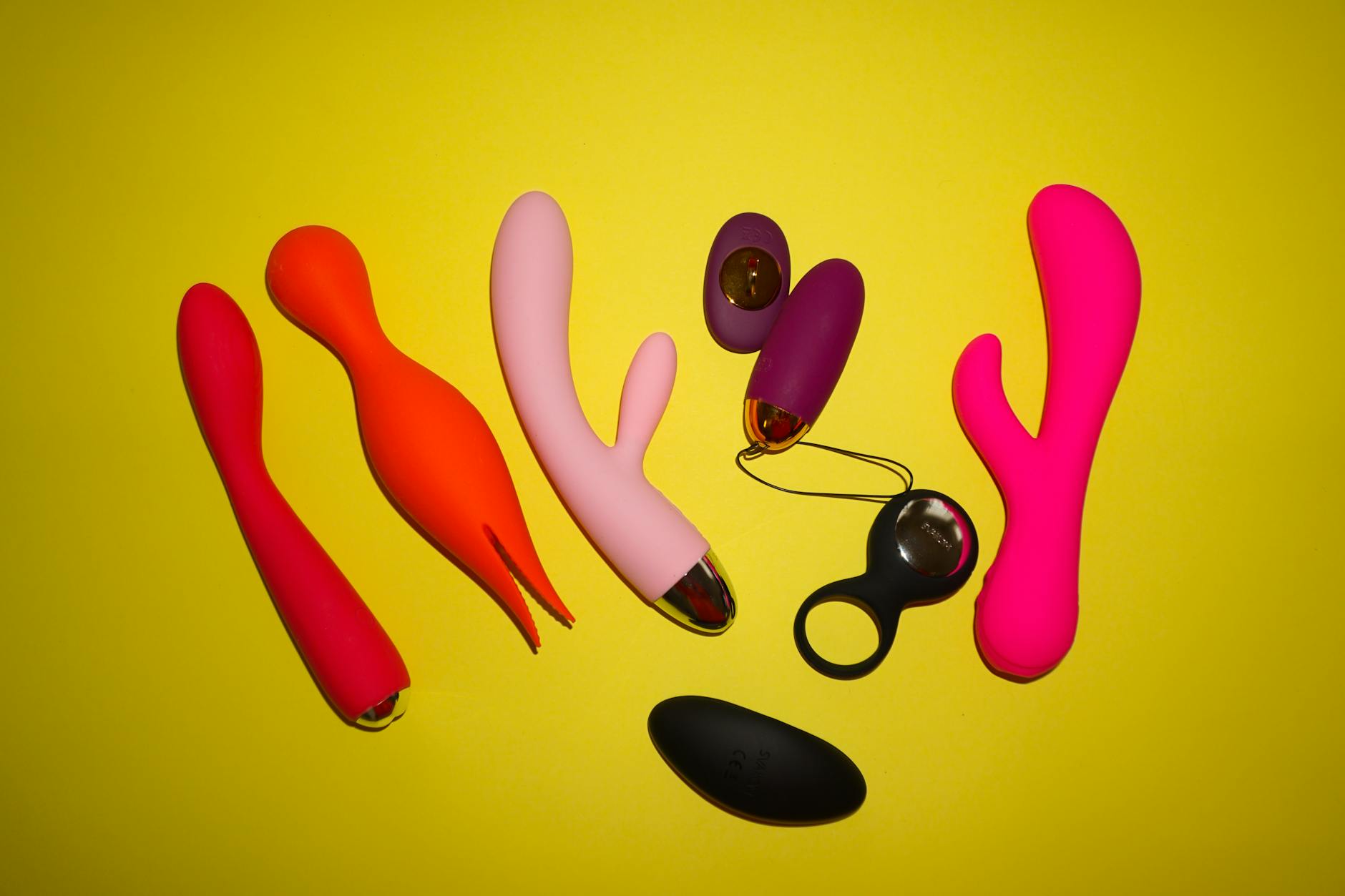
Let's talk about the body after injury
Injury changes everything. Not just the injury itself, but how your nervous system talks to your pelvic floor, how sensation travels, and what arousal actually feels like. If you've had pelvic surgery, childbirth trauma, a fall, or even prolonged pain from endometriosis or pelvic floor dysfunction, your relationship with clitoral vibrators has shifted. That's not weakness. That's neurobiology.
When you're recovering, exploring pleasure again with a lemon clitoral vibrator or any toy feels different because your pelvic floor is literally rewiring itself. Understanding what's happening makes the experience less confusing and way less discouraging.
How pelvic floor healing affects sensation
Your pelvic floor isn't just one muscle. It's a network of muscles, nerves, and connective tissue that's deeply wired into your central nervous system. When injury happens, whether it's from surgery, tears, trauma, or chronic tension, that nervous system goes into protection mode. It tightens. It becomes hypervigilant. And it stops sending clear pleasure signals the way it did before.
As healing progresses, that protective guarding gradually softens. But it doesn't happen in a straight line. Some days your body feels like it's waking up. Other days it feels numb or overly sensitive. That inconsistency is completely normal and actually a sign healing is happening.
What this means for toys like the Lem vibrator is that air-suction stimulation, which normally works beautifully for clitoral pleasure, might feel too intense, too light, or totally absent depending on where you are in recovery. The sensation isn't disappearing because the toy is broken. Your nervous system is recalibrating.
Why lemon vibrators feel different during recovery
Air-suction toys like lemon sexual toys work differently than traditional vibrators. Instead of buzzing directly against tissue, they create gentle suction waves that stimulate the clitoral complex through the skin. This is why they're often amazing for people with sensitive skin or those who find traditional vibration overwhelming.
During recovery, that same mechanism can feel strange because your pelvic floor and clitoral nerves are healing. A few specific things happen:
Numbness or muted sensation. If your pelvic floor has been in protective shutdown, sensation might feel dull or distant. This is your nervous system still guarding. It's not permanent. As you heal, that muffled feeling gradually sharpens.
Hypersensitivity in spots. Sometimes recovery brings hypersensetivity before it brings full sensation back. Certain pressures or patterns might feel unexpectedly intense while other areas feel numb. This patchwork sensation is temporary.
Slower arousal ramp. Your nervous system needs more time to move from rest to arousal. The buildup isn't broken, it's just slower. Why Lemon Vibrators Take Longer to Warm Up and What That Means for Pleasure covers this in detail, but the principle is the same during recovery.
Different orgasm quality. When you do climax, it might feel different. Shallower. More localized. Less full-body. That's because your pelvic floor isn't yet coordinating the way it did before injury. As healing completes, that integration returns.
Practical adjustments for exploring during recovery
Here's what I tell clients who want to use lemon clitoral vibrators or other toys while healing.
Start with pattern one or two only. The Lem vibrator has multiple patterns. During recovery, lock yourself into the gentlest setting for the first several weeks. Don't jump to intensity. Your nervous system is sensitive right now, and bombarding it with high stimulation can actually slow healing.
Budget extra time. Recovery slows the arousal timeline. Instead of expecting 5-10 minutes to full engagement, plan for 20-30 minutes. This isn't slower pleasure, it's deeper presence. Use it.
Warm up first. Before you touch any toy, spend time with your partner (if you have one) or alone doing whatever non-genital touch feels soothing. This primes your nervous system for safer arousal.
Use lubricant generously. Healing tissue is more fragile. Water-based lube creates a protective barrier and helps the toy glide smoothly without friction. It's not optional during recovery, it's protective.
Stop if pain shows up. Pleasure and pain are different. Pleasure might feel unfamiliar during recovery, but actual pain is a stop signal. Listen to it.
When external vibration isn't the move yet
Some people in early pelvic floor recovery find that external toys feel too stimulating even at the lowest setting. If that's you, there's nothing wrong with taking a break from vibrators entirely until your nervous system settles a bit more.
Instead, spend time with slower, more grounded touch. Hands. Breath. Presence. As your pelvic floor begins to trust again, sensation will deepen. Then introduce toys back in when your body signals readiness, not on a timeline.
Why Lemon Vibrators Feel Better When You're Anxious About Pleasure talks about using these toys to work with anxiety rather than against it. During recovery, that principle is even more critical. Your body is anxious about safety. The toy shouldn't add pressure.
The emotional piece that changes everything
Here's something nobody mentions: the emotional weight of injury affects pleasure as much as the physical healing does. You might be grieving how your body used to feel. You might be scared that pleasure won't come back the same way. You might feel disconnected from your own sexuality because the nervous system protecting you feels like it's also shutting you down.
That grief is real and deserves space. Pleasure during recovery isn't just about physical sensation. It's about rebuilding trust with your body. That trust rebuilds slower than tissue heals. Be patient with yourself.
If you're in a partnership, talk about this with your partner explicitly. Not in the moment, but before. "My body is healing and sensation feels different right now" is a completely different conversation than pretending everything is normal. Partners who understand the recovery timeline can hold space for slower exploration without making it feel like failure.
When to involve your healthcare provider
If you're several months into recovery and sensation is still almost completely absent, if pain persists during or after toy use, or if you're experiencing ongoing pelvic floor dysfunction, talk to a pelvic floor physical therapist. They can assess whether your nervous system is still guarding excessively and offer specific exercises to help.
A good pelvic floor PT can transform recovery. They're not just treating tissue. They're helping your nervous system learn that pleasure and safety can coexist again.
The long view
Recovery from pelvic injury is measured in months, not weeks. Sensation comes back gradually. Pleasure deepens as your body stops protecting and starts trusting. Lemon vibrators, air-suction toys, and clitoral vibrators of all kinds work beautifully as part of that journey, but only if you're meeting your body where it actually is, not where you want it to be.
Your nervous system knows what it's doing. It's protecting you right now because protection was necessary. As healing deepens, that protection will soften. When it does, the pleasure that comes back often surprises people. It's different from before, but not less. Often, it's more.
Common questions about pleasure during pelvic recovery
How long does it take for sensation to fully return after pelvic surgery?
Most people experience significant sensation return within 6-12 weeks, but full nervous system recalibration can take 6 months or longer. Everyone heals differently based on the type of surgery, your age, overall health, and how well you manage pelvic floor tension during recovery. Some people notice they feel almost back to baseline at 8 weeks. Others don't feel fully integrated until a year out. Both are completely normal.
Can I use the Lem vibrator if I had a C-section or vaginal tearing?
Yes, but timing matters. Most obstetricians recommend waiting 6-8 weeks post-delivery before any penetrative activity. For external toys like lemon clitoral vibrators, the same timeline usually applies, but check with your provider. Once you do start exploring, begin with the gentlest settings. Your pelvic floor is still healing even if the external wound has closed.
Why does my Lem vibrator feel numb or weird compared to before my injury?
Your nervous system is still in protection mode. The toy hasn't changed. Your pelvic floor's ability to receive and interpret sensations has. This is temporary. As healing progresses and your nervous system begins to trust safety again, sensation will sharpen. Patience and consistent gentle exposure help this process.
Should I avoid orgasm during recovery?
Not necessarily, but the quality might be different. Some people find that reaching orgasm during early recovery actually helps nervous system recalibration. Others find it triggers protective tension. The rule is sensation without pain. If orgasm feels good, it's fine. If it triggers pain or excessive tension, wait a few more weeks and try again.
Can anxiety about injury make sensation feel worse?
Absolutely. Your central nervous system is connected to your pelvic floor. If you're anxious, your pelvic floor tightens protectively, which muffles sensation even more. This creates a feedback loop where anxiety creates numbness, which triggers more anxiety. Working with a therapist or pelvic floor PT on the anxiety piece is as important as the physical recovery.
Is it normal for sensation to feel different on different days?
Completely. Stress, sleep, menstrual cycle, and pelvic floor tension all affect sensation day to day during recovery. Some days your body will feel almost back to normal. Other days it'll feel shut down. That fluctuation is actually a sign your nervous system is learning to move between protection and openness again. Track patterns over weeks, not days.
Resources and next steps
If you're navigating pelvic recovery and pleasure, you don't have to figure it out alone. A pelvic floor physical therapist trained in nervous system work can be transformative. So can a sex therapist or trauma-informed counselor who understands that pleasure recovery is part of physical healing.
Start slow. Use lemon sexual toys gently. Trust your body's timeline, not the internet's. And remember that recovering pleasure isn't weakness or indulgence. It's part of reclaiming your full self after injury.
If you have questions about using Hello Nancy toys safely during recovery, reach out. We're here to help.