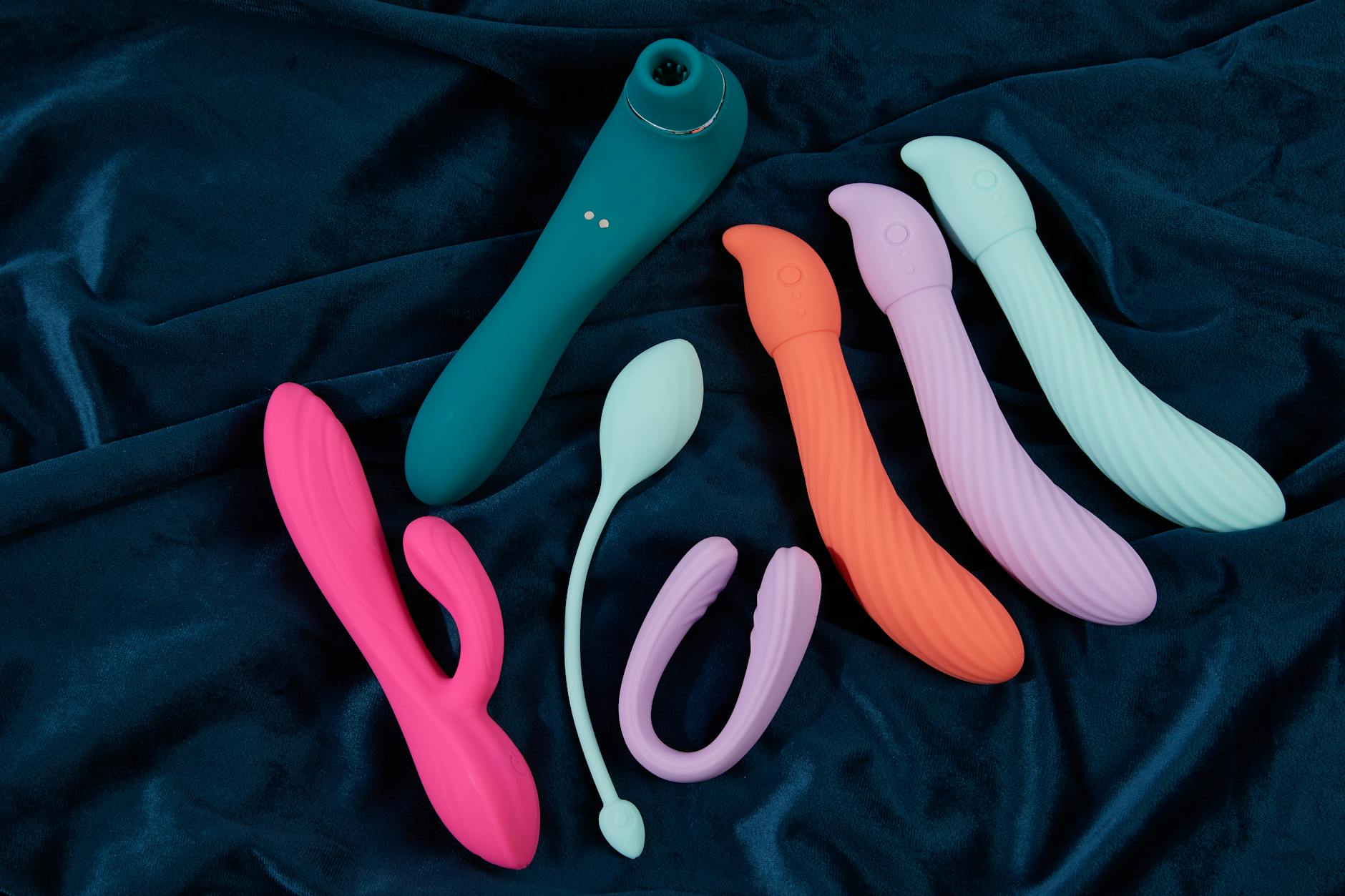
Why Lemon Vibrators Feel Different When Using Hormonal Birth Control
The hormones in your contraception affect clitoral sensitivity and arousal speed. Here's what changes, what stays the same, and how lemon sucker toys respond to those shifts.
Hormonal contraception changes your body's chemistry in ways that ripple far beyond preventing pregnancy. If you've noticed that your lemon clitoral vibrator feels different since you started the pill, patch, ring, or implant, you're not imagining it. Your nervous system isn't broken. Your pleasure capacity hasn't vanished. The hormonal landscape has shifted, and air-suction devices like lemon vibrators respond to that shift in specific, predictable ways.
I work with couples and individuals navigating these changes constantly. The most common reaction when sensation changes is panic. The second most common is silence. Neither helps. What actually helps is understanding the mechanism, knowing it's temporary (or manageable), and adjusting your approach accordingly.
Hormonal contraception works by suppressing ovulation and thickening cervical mucus. To do that, it regulates estrogen and progestin levels, keeping them relatively stable throughout your cycle instead of fluctuating the way they naturally would.
Here's what matters for pleasure: estrogen directly affects blood flow to genital tissue, nerve sensitivity, and how quickly arousal builds. When you're on hormonal birth control, your estrogen levels are lower and more constant than they would be naturally. This means:
Blood flow to the clitoris is slightly reduced compared to your pre-ovulation peak
Nerve endings register stimulation differently because of altered blood vessel tone
The clitoris takes longer to engorge and become fully responsive
Lubrication patterns change (more on that in a moment)
It's not that the clitoris stops working. It's that the speed and intensity of response shift. Most people describe it as needing more time to warm up, or sensation feeling slightly muted compared to where it was mid-cycle before contraception.
Unlike traditional vibrators that rely on rapid oscillation to stimulate a large surface area, lemon sucker toys and air-suction devices work through rhythmic suction and release. They create a seal around the clitoris and pulse pressure, which stimulates the entire clitoral network, not just the surface.
Here's why that matters when you're on hormonal birth control: suction-based stimulation is less dependent on rapid blood engorgement than traditional vibration. When estrogen is lower and blood flow to genital tissue is slightly reduced, a lemon vibrator can still work beautifully because it doesn't require the same degree of clitoral tumescence to create sensation.
In other words, if you've found that a traditional vibrator feels less effective on hormonal contraception, but you're curious about air-suction, that's a smart instinct. The mechanism is different enough that it often works better during hormonal contraception than high-speed vibration does.
One of the most consistent changes people report is that foreplay and warm-up time need to extend. On hormonal birth control, many people find that they need 15-25 minutes of build-up before the body is fully responsive, where pre-contraception they might have needed 8-10 minutes.
This isn't a sign something's wrong. This is completely normal physiology. Your body hasn't lost capacity for pleasure. It's just operating on a different timeline.
The practical adjustment is simple: budget more time. Start your lemon vibrator session or partnered exploration without expectation that sensation will be immediate. Use lower intensity settings initially (pattern 1 or 2 on most air-suction devices). Let your body gradually build arousal over 15-20 minutes. Most people find that once arousal fully arrives, sensation intensity is comparable to before. It just takes longer to get there.
Hormonal contraception affects not just clitoral sensitivity but also natural lubrication production. Estrogen helps maintain vaginal and clitoral tissue moisture. When you're on hormonal birth control, some people find their natural lubrication is lighter than usual.
This is where external lubricant becomes essential, not optional. A water-based lube doesn't mean anything's broken. It means you're working with your body's current state instead of fighting it. With a lemon vibrator or any clitoral toy, lubrication helps the suction seal work more effectively and reduces friction that can feel uncomfortable on tissue that's slightly less naturally moist.
If you're using a lemon clitoral vibrator with hormonal contraception, experiment with a small amount of lube around the opening of the toy and on your skin. Most people find that this single adjustment transforms the experience from muted back to vivid.
Some hormonal contraceptives are heavier in progestin relative to estrogen. Pills like traditional formulations of Yaz, Yasmin, or Levora tend to have higher progestin loads. Others like Loestrin or the Minigynon are lighter. The ratio matters because progestin can dampen libido and sexual motivation in some people.
If you started a lemon vibrator and felt great, then switched birth control methods and suddenly felt less interested in using it, the progestin dose might be the culprit. This is worth discussing with your prescriber. You might have options: different pill brands, non-hormonal methods like copper IUDs, or adjusting the formulation you're currently using.
The experience of using a lemon sucker or any toy involves both physical sensation and mental desire. When progestin is high, you might find that your body responds fine to a lemon vibrator once you start using it, but getting yourself to initiate feels harder. That's not laziness. That's biology.
If you recently started hormonal contraception and noticed changes in how your lemon clitoral vibrator feels, give your body about 8-12 weeks to fully adjust. Your system needs time to stabilize on the new hormone dose. Many people find that sensation normalizes (or stabilizes at a new baseline) after the initial adjustment period.
During those first few months, keep a note of what works. Lower intensity settings on air-suction devices tend to work better initially. Longer warm-up times become your friend. Water-based lubrication becomes non-negotiable. By month three, most people have a clear sense of their new normal and can adjust their routine accordingly.
Most hormonal shifts settle within 12 weeks. If you're three months in and clitoral sensation still feels dramatically different, or if you've lost interest in sex that you previously enjoyed, talk to your doctor or OB-GYN. This could mean:
Your current contraceptive formula isn't the right fit for your body
Your testosterone levels have shifted more significantly than usual (testosterone drops slightly on hormonal contraception for most people, but the drop is usually small)
There's an unrelated factor affecting sensation, like stress, relationship dynamics, or medication interaction
A prescriber can run basic labs to check hormone levels and help you explore different contraceptive options if needed. Switching from a pill to a patch, or from one pill brand to another, sometimes makes a huge difference. You're not stuck with diminished sensation if you've found your ideal contraceptive method.
I see this pattern often: someone starts hormonal contraception, feels changes in solo pleasure with a lemon vibrator, and assumes it's purely physiological. Often, there's an emotional or relational layer too. Starting contraception can trigger feelings of ambivalence about the relationship, anxiety about commitment, or unprocessed concerns about consent and choice.
If you're noticing sensation changes with a lemon sucker toy, also check in with yourself on this: Am I genuinely excited about pleasure right now, or am I going through the motions because I think I should? If sensation feels muted and you're also feeling disconnected from your partner or uncertain about the relationship, addressing those feelings might unlock sensation more effectively than any adjustment to your vibrator technique will.
No. Some people experience noticeable shifts, others feel almost nothing. The variation comes down to baseline hormone sensitivity, which contraceptive formulation you're using, and individual body chemistry. Heavier progestin loads tend to cause more noticeable changes than lighter formulations. If sensation shifts are significant for you, that's real and worth addressing.
Likely yes. Different contraceptive methods deliver different hormone ratios and dosages. Switching from a combined hormonal pill to a progestin-only pill, or to a copper IUD, or to the ring or patch might alter sensation noticeably. It can take another adjustment period, but many people find they land on a method that works better for their pleasure and their contraception needs.
Completely normal. Hormonal contraception affects natural lubrication for many people. This isn't a sign that something's broken or that the lemon sucker toy isn't right for you. A small amount of water-based lubricant is often the only adjustment needed to restore sensation and comfort.
Most people reach a stable baseline within 8-12 weeks. Some notice shifts within the first two weeks, others take the full three months. If changes persist beyond three months, that's worth checking in with your prescriber about. It might mean trying a different formulation.
No. Hormonal contraception affects sensation while you're using it, but changes are reversible. If you stop hormonal birth control, clitoral sensitivity typically returns to your baseline within 2-4 weeks. Stopping isn't something you should do just to restore sensation to previous levels, but it's good to know that these shifts aren't permanent damage.
Not the same way. The copper IUD is non-hormonal, so it doesn't affect estrogen or progestin levels. Some people find that switching from hormonal contraception to a copper IUD restores sensation they felt had diminished. Others find the adjustment period involves increased cramping or heavier periods, which can affect how you feel during pleasure. The mechanism is different, but mood and physical comfort still matter.
Hormonal birth control changes clitoral sensitivity and arousal patterns. That's not a flaw in your body or a reason to stop using contraception that you otherwise like. It's information. Armed with that information, you can adjust your approach: longer warm-up, lower initial intensity on your lemon vibrator, perhaps some lubrication, and patience with your body's new rhythm.
Most people find that pleasure adapts, or that trying a different contraceptive formula makes a meaningful difference. And if you've been curious about trying an air-suction device like a lemon clitoral vibrator, hormonal contraception is actually one of the scenarios where they often work particularly well, because their mechanism doesn't rely as heavily on rapid blood engorgement.
Your pleasure matters. Your contraception matters. You don't have to choose between them. You just might need to adjust your technique.