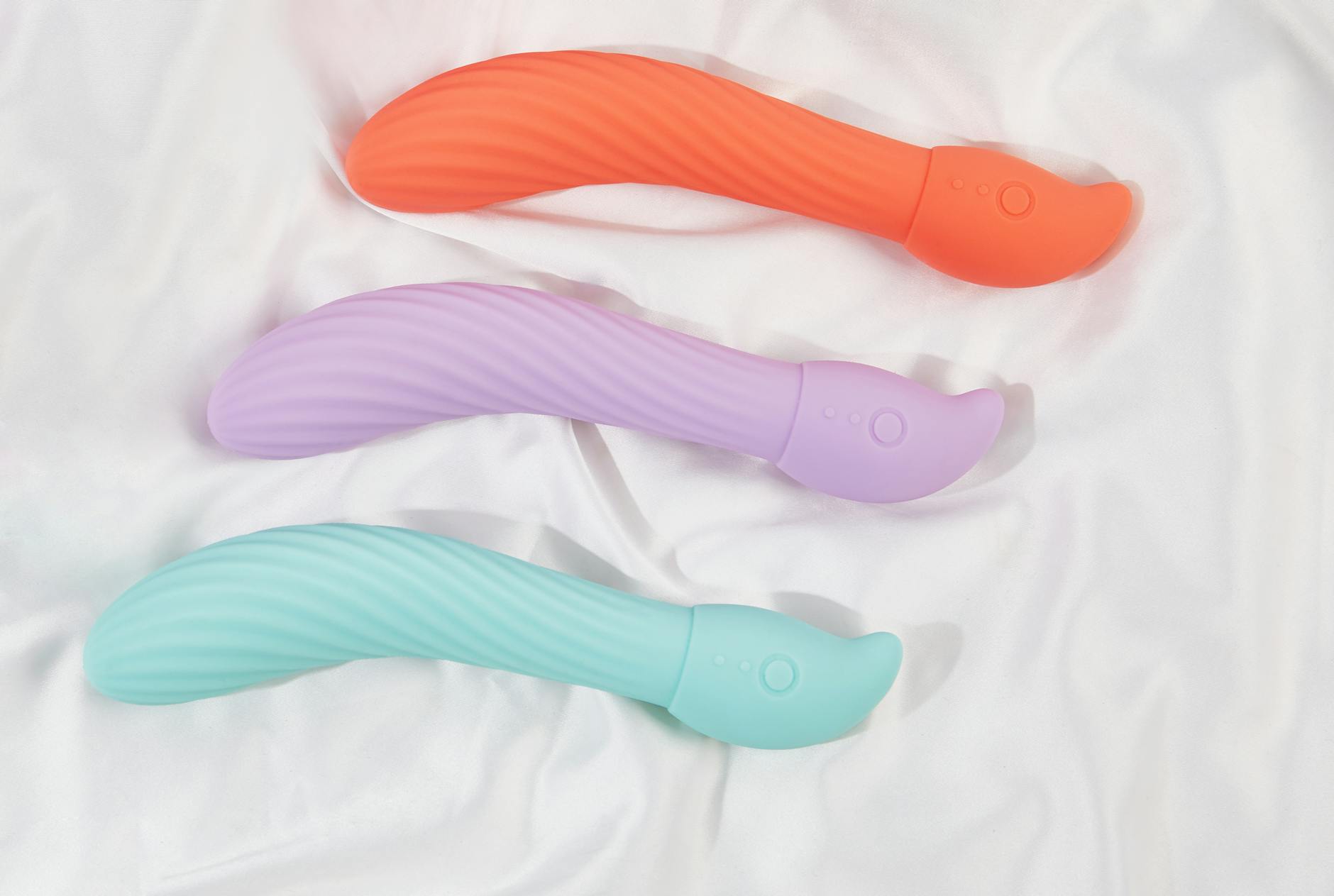
Why Lemon Vibrators Feel Different When Starting Antidepressants
Your body isn't broken. SSRIs change neurotransmitters, which changes how pleasure registers. Here's what's actually happening, and how to work with it.
Your doctor explains the dosage. They mention possible nausea, headaches, sleep changes. Then they send you off, and somewhere around week two or three, you notice that pleasure feels muted. Your partner touches you the same way. You use your clitoral vibrator the same way. But something in the signal isn't getting through.
Selective serotonin reuptake inhibitors work by increasing serotonin availability in your brain. That's the goal for mood and anxiety. But serotonin doesn't just regulate mood. It also plays a significant role in sexual response, arousal, and orgasm.
Here's the chain of events: SSRIs delay the reuptake of serotonin, meaning serotonin stays in the synapse longer. That's therapeutic for depression. But it also dampens dopamine and norepinephrine in the brain regions that drive desire and physical pleasure. The technical term is "sexual dysfunction" or "anorgasmia," but what you actually feel is this: things that used to turn you on don't. Orgasms feel further away, or flatter when they arrive.
About 40 to 60 percent of people on SSRIs experience some form of sexual side effect. That's not a minority. That's a significant chunk of anyone taking these medications.
Your brain is recalibrating. Serotonin levels spike, then your brain adjusts its receptor sensitivity in response. This takes time. Most people see some improvement around 4 to 8 weeks, even without changing anything.
But here's the part that matters for pleasure: the first month is often the worst. If you're measuring your pleasure against your pre-medication baseline, you might panic. Don't. Your nervous system is literally rebuilding its chemical balance.
When arousal is slow or muted, direct manual stimulation or traditional vibration can feel exhausting. You're chasing a sensation that's hiding.
Air-suction clitoral vibrators like the Lem work differently. They create a gentle vacuum seal that stimulates the clitoris without requiring intense friction or sensation. The pattern is rhythmic and targeted, which means your nervous system doesn't have to work as hard to register pleasure. You're not grinding harder hoping something lands. You're letting a specific stimulus do the work.
For people whose pleasure pathways are dampened by medication, this matters. A Lem or similar lemon sucker gives you mechanical consistency that doesn't rely on you being "turned on enough." You're using the device, not chasing a feeling.
1. Extend your warm-up time. If you used to need 10 minutes of foreplay, budget 25. This isn't a bug. It's how SSRIs work. More time gives your nervous system more opportunity to register stimulation.
2. Use lubrication even if you don't think you need it. Medications can reduce natural lubrication. Adding external lube reduces friction, which means less effort required from your body and more signal reaching your brain.
3. Lower your baseline expectations for one month. This is crucial and honestly the hardest step. You're not measuring whether pleasure is "working." You're measuring whether it's available. Orgasm doesn't have to happen. It can be foreplay that feels nice. Your brain is adjusting.
If sexual side effects are persistent after 8 weeks, your doctor has options. Some doctors add bupropion, which works on dopamine and can offset SSRI-related desire loss. Some suggest switching to an SSRI with a lower sexual side effect profile, like sertraline or bupropion itself. Some recommend timing your doses around intimate time (though this only works for some people).
The point: sexual side effects are a recognized, treatable part of SSRI therapy. Your doctor isn't going to be shocked. They've had this conversation before.
If you have a partner, this is worth naming directly. "My medication is changing how I respond physically" is a completely different conversation than "I'm not interested in you anymore." Confusion between the two turns one manageable transition into a relationship crisis.
The best partners understand that your body is doing something necessary for your mental health. That's not a trade-off they begrudge. They might need reassurance that this is temporary and chemical, not emotional. That conversation is simpler than pretending nothing is different.
Studies on SSRI sexual side effects show that some people adapt completely within 2 to 3 months. Others need dose adjustments or medication changes. A small percentage find that sexual response stays muted even after the adjustment period, which is when switching medications makes sense.
But here's what surprised researchers: people who actively address the sexual side effects, rather than waiting passively for them to resolve, often adapt faster. Using tools like clitoral vibrators, maintaining sexual activity, communicating with partners, and staying in conversation with their prescriber all correlate with faster resolution.
Basically: your body responds better when you're actively working with it, not just enduring the process.
Depression and anxiety are neurochemical problems. SSRIs fix that. The sexual side effects are real, but they're also temporary and manageable. Starting an antidepressant doesn't mean goodbye to pleasure. It means your pleasure pathway is temporarily taking a different route, and you get to choose the tools and timeline that make that journey bearable.
The Lem and other lemon clitoral vibrators are useful precisely because they don't require your arousal to already be high. They're practical, consistent, and they work with medication-dampened sensation instead of against it. That's not settling. That's using the right tool for the actual situation you're in.
Your best sexual self is waiting on the other side of this transition. You just need patience, communication, and the right support.
Most people notice improvement between 4 and 8 weeks as their brain adjusts to new serotonin levels. Some adapt faster. Others need dose adjustment or medication changes. The timeline varies because everyone's neurochemistry is different. If nothing has shifted after 8 weeks, definitely talk to your prescriber about options.
No. Skipping doses to manage sexual side effects is a common impulse, but it destabilizes your treatment and usually makes depression and anxiety worse. Your prescriber can discuss timing strategies or medication adjustments, but skipping is not the answer. Your mental health matters more than any single sexual experience.
Yes. Bupropion, which works on dopamine rather than serotonin, has fewer sexual side effects than SSRIs. Some SSRIs like sertraline have lower rates than others like paroxetine. If sexual side effects are severe, your doctor can help you weigh switching options. This is a legitimate medical conversation.
Many people find air-suction clitoral vibrators like the Lem helpful because they provide consistent, targeted stimulation that doesn't rely on pre-existing arousal. The mechanical consistency can make sensation more noticeable when pleasure pathways are dampened. That said, this isn't a cure. It's a practical tool that helps you stay sexually active during the adjustment period.
Completely normal. SSRIs can flatten desire, not just physical pleasure. This usually improves as your brain adjusts. But if desire remains completely absent after 2 months, that's worth addressing with your doctor. Desire loss can also be a sign of depression itself, so teasing apart what's medication and what's mood is important.
Absolutely. Use water-based lubricant with the Lem or any silicone toy to reduce friction and increase comfort. Medication-related dryness is real, and external lubrication makes a genuine difference. More comfort means more sensation reaches your brain, which helps during the dampened-pleasure phase of SSRI adjustment.
Starting antidepressants is a mental health win. Sexual side effects are a real but temporary complication. Using the right tools, communicating honestly with your partner and prescriber, and giving your brain time to adjust makes the transition manageable. Your pleasure matters. Your mental health matters more. Luckily, you don't have to choose between them.
If you have questions about how Hello Nancy's lemon vibrators or other clitoral vibrators might work for your situation, or if you want to talk through the emotional side of this transition, reach out. You deserve support that takes both your mental health and your pleasure seriously.