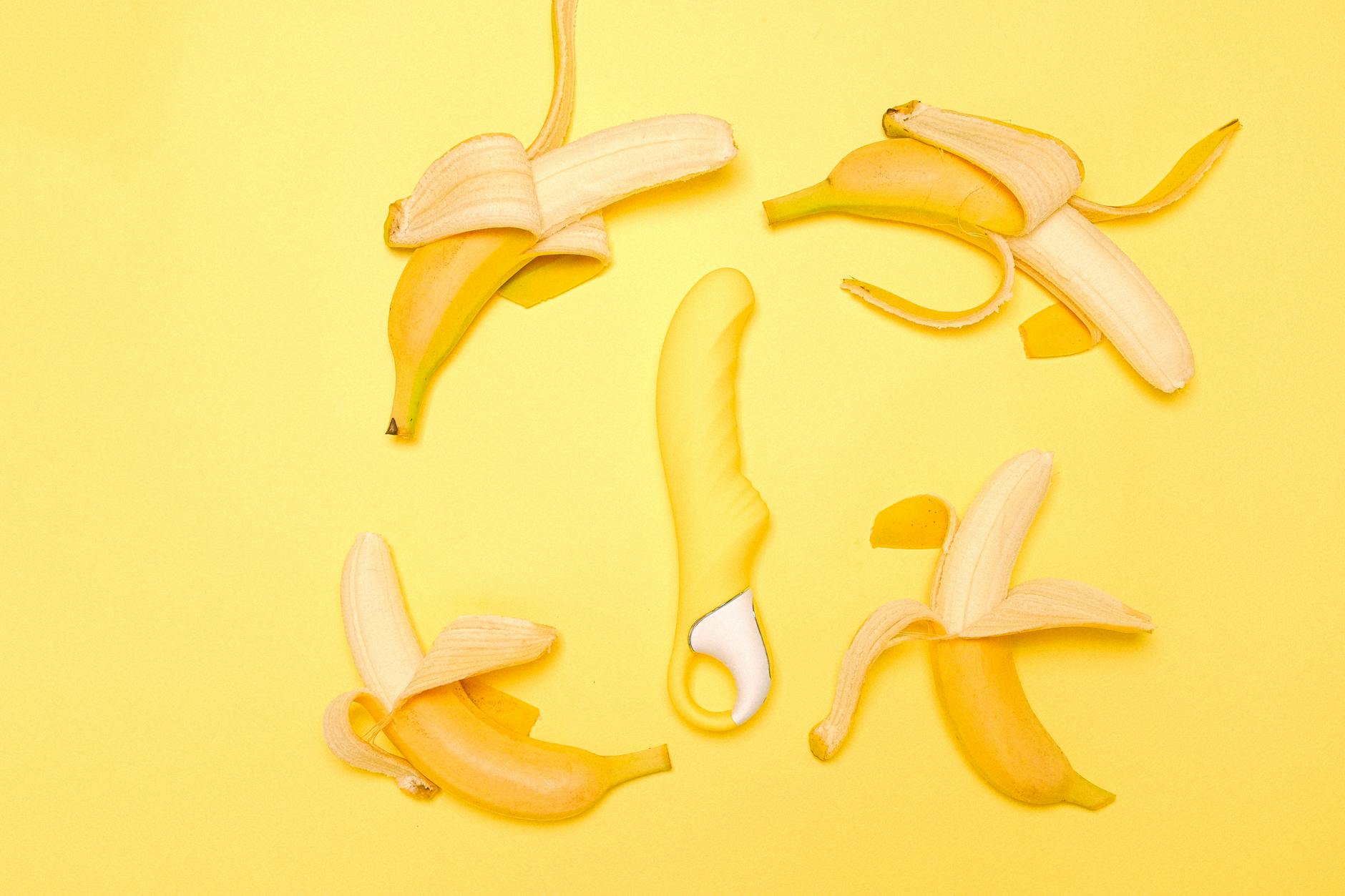
The sensation is never quite the same
If you've used a lemon clitoral vibrator solo and then with a partner, you've probably noticed something weird: the exact same toy, the same settings, the exact same motion feels categorically different. It's not your imagination. It's neurobiology.
When you're alone, your nervous system is in one state. When someone else is in the room, it's in another. That shifts blood flow, sensitivity, arousal speed, and ultimately how your body registers the air suction from a lemon vibrator like the Lem. Understanding what's actually happening helps you optimize both experiences instead of assuming one is "wrong."
Solo play: the arousal ramp
When you're alone with a lemon clitoral vibrator, you have something you rarely get otherwise: complete permission to be slow. Your brain isn't monitoring another person's presence or managing their experience. There's no performance layer.
This changes everything. Without a partner watching, your parasympathetic nervous system can stay in play mode longer. Arousal builds gradually. Blood pools into genital tissue steadily. By the time you introduce the Lem or other air suction toys, your clitoris is already primed, tissues are engorged, and sensitivity is heightened naturally.
Many people report that solo sessions with lemon vibrators feel more intense than partnered play, but it's misleading to call one "better." What's happening is that you've had uninterrupted time to warm up. The air suction has more responsive tissue to work with. The sensation builds from a deeper baseline.
Partnered play: the nervous system shift
Add another person to the room and your autonomic nervous system recalibrates instantly. Even if your partner is being supportive and hands-off, your brain is now tracking their presence. There's a layer of self-awareness, even if it's subtle.
For some people, this is actually grounding. Having a partner present can lower anxiety and deepen arousal. For others, it introduces just enough self-consciousness to dampen the initial response. Neither is wrong. They're just different nervous system states.
The physical reality: with a partner present, your body often needs longer to reach the same level of genital engorgement. Blood flow is being distributed differently as your brain manages multiple simultaneous inputs. When you introduce the Lem or another lemon vibrator, it may feel less immediately intense during the first few minutes because tissue sensitivity is still building.
This is why why lemon vibrators work better with partners after 40 often mentions the importance of longer warm-up and communication. The vibrator itself hasn't changed. Your nervous system has.
The intimacy factor: pleasure plus connection
Here's where partnered play offers something solo can't: simultaneous stimulation of your nervous system at multiple levels. Your partner can provide touch, eye contact, voice, or proximity. The Lem or another air suction toy provides direct clitoral stimulation. Your brain is now processing pleasure information from multiple channels at once.
This can feel overwhelming in the best way. But it can also feel scattered if you're trying to focus. Some couples find that using lemon sexual toys together works best when communication is explicit: "I want to focus on sensation for the next five minutes" or "I'd love if you kept touching my arm while I use the vibrator."
The texture of the experience shifts. Solo play often builds to a single focal point of intensity. Partnered play, when it works, creates a distributed pleasure landscape where orgasm feels like it's happening in multiple places simultaneously.
Arousal timing: why the Lem feels "slower" with someone else
This is the most common complaint I hear: "The vibrator feels less responsive when we're together." It's not less responsive. You are.
Your clitoris doesn't have a single sensitivity setting that's constant across contexts. Arousal is the primary variable. If you're arriving at partner play with less arousal buildup than you do in solo sessions, the vibrator will feel less intense because there's literally less tissue engagement happening.
Two solutions:
First, slow down the partnered session's opening. If you usually spend 10 minutes on foreplay before introducing the Lem, spend 20. Let your parasympathetic nervous system settle. This isn't about him or her not being enough. It's about your body's legitimate need for gradual arousal.
Second, use lemon clitoral vibrators strategically. Some couples bring the toy in earlier in the session, as part of initial stimulation, rather than waiting until arousal is supposed to be at peak. The Lem can be part of the buildup, not just the finale. This removes the pressure of "it should feel intense immediately" and lets the pleasure compound naturally.
The attention paradox
Here's something counterintuitive: sometimes the presence of a partner's attention actually heightens sensation even if initial arousal takes longer to build. Once you're genuinely aroused, being watched or being touched while using a lemon vibrator can deepen the sensation because your brain is now integrating more sensory input.
The key is getting past that initial recalibration phase. Solo play often skips this phase entirely because you're not managing anyone else's presence.
If you find that partnered play consistently feels less intense, it might not be about the toy. It might be about the emotional context. Why Lemon Vibrators Feel Better When You're Anxious About Pleasure explores how performance anxiety specifically dampens sensation. If you're even slightly worried about taking "too long" or not responding visibly, your body will register that as a low-level threat and restrict arousal accordingly.
Optimization: getting the most from both
If you're using lemon vibrators in both contexts, here are four practical shifts that actually work:
In solo play: Let yourself be slow. Use lower settings on the Lem to start. Build arousal deliberately before increasing intensity. Notice what you actually want, not what you think you should want.
In partnered play: Communicate what your nervous system needs. "I warm up slower when you're here, and that's not a problem." Extend the foreplay window. Let the vibrator be part of the journey, not the destination.
For both: Keep a water-based lubricant accessible. Solo play and partnered play create different levels of natural lubrication, and the Lem works better with consistent slip.
Across the board: Stop comparing. Solo sessions with air suction toys can feel more visibly intense because you're not dividing your nervous system's resources. That doesn't make partnered play worse. It makes it different.
The nervous system is not lazy, it's adaptive
Your body isn't resisting partnered play. It's accurately reflecting the complexity of the situation. You're managing arousal, another person's presence, intimacy, and vulnerability all at once. That's work. The nervous system allocates resources accordingly.
Understanding this removes the shame from "it feels different with a partner." Of course it does. You're in a different state. The Lem, or any lemon clitoral vibrator, is just registering that state accurately.
Both solo and partnered play have their own logic. Neither is the "real" version of pleasure. They're both real. They're just calibrated to different nervous system configurations.
FAQ: Lemon Vibrators and Solo vs. Partnered Play
Why does my lemon vibrator feel less intense the moment my partner enters the room?
Your parasympathetic nervous system shifts as soon as another person is present. Even if your partner is supportive, your brain is now tracking their presence alongside your own arousal. This shifts blood flow allocation and can slow the initial intensity buildup. It's not a sign that something is wrong. It's your nervous system accurately reflecting the complexity of shared space. Solo arousal is often more focused because your brain isn't managing another person's presence simultaneously.
Can the Lem feel as good with a partner as it does alone?
Yes, but often in a different way. Solo play tends to build to a sharp point of intensity. Partnered play, once your nervous system settles into it, can create distributed pleasure that involves multiple sensations simultaneously. Some people report that partnered orgasms feel fuller or more integrated than solo ones, even if they're slower to arrive. The texture changes, not the capacity for pleasure.
Should I use my lemon clitoral vibrator differently depending on who I'm with?
Yes. In solo play, you can afford to be slower and more exploratory. In partnered play, communication helps enormously. Tell your partner if you need more foreplay time before introducing the toy. Let them know if you want touch alongside the vibrator or if you need them to step back so you can focus. The Lem itself doesn't change, but your approach to it should reflect your nervous system's actual needs in that context.
Is it normal to orgasm faster alone than with a partner?
Completely normal. Solo sessions have lower overall cognitive load. Your body can focus entirely on arousal and sensation without managing another person's experience. Partnered play involves more nervous system complexity. This doesn't mean you're "taking too long" with your partner. It means your system is accurately reflecting what's actually happening. Slowing down together and extending foreplay removes the pressure, which paradoxically often speeds things up.
Do I need lube differently for solo versus partnered play with a lemon vibrator?
You might. Solo sessions often build more natural lubrication because you have longer uninterrupted arousal time. Partnered play can sometimes have less natural slip because your nervous system is managing more inputs. Having water-based lube accessible for both contexts is smart. It removes one variable and lets you focus on the actual sensation and connection.
What if partnered play with my lemon sexual toy feels pressured or rushed?
That's worth talking about directly. If your partner is expecting instant response or intensity, that introduces performance anxiety, which actively dampens arousal. Healthy partnered play with the Lem or any air suction toy requires explicit communication: "I want this to feel good for both of us, and that means I might need 15 minutes to really warm up." A partner who respects that is a partner worth taking time with.
Your pleasure, solo or shared, deserves the space it needs to actually happen. The nervous system doesn't rush. It responds. Let it.
References
- Bergeron, S., et al. (2020). Genital pain in response to sexual activity: A systematic review. The Journal of Sexual Medicine, 17(4), 649-669.
- Komisaruk, B. R., & Whipple, B. (2005). Functional MRI of the brain during orgasm in women with complete spinal cord injury. Progress in Brain Research, 152, 127-139.
- Porges, S. W. (2011). The Polyvagal Theory: Neurophysiological foundations of emotions, attachment, communication, and self-regulation. W.W. Norton & Company.
- Taormino, D. (2018). The Ultimate Guide to Sex and Disability. Cleis Press.