The thing nobody tells you about fibroid removal
After uterine fibroid surgery, something shifts. Not your desire. Not your capacity. But the actual physical sensation of pleasure feels different, sometimes foreign, occasionally uncomfortable. Your clitoral vibrator response changes. Your pelvic floor behaves differently. The timeline for arousal stretches. And because nobody talks about this openly, most people assume something went wrong.
It didn't. Your body is just recalibrating.
What fibroid removal actually changes
When fibroids are removed, your surgeon removes tissue from inside your uterus. Depending on the size, number, and surgical approach (hysteroscopic, laparoscopic, or open), the procedure affects your pelvic architecture in specific ways.
Your uterus often becomes smaller. The uterine cavity changes shape. Scar tissue forms where the fibroids were attached. Your pelvic floor muscles, which wrapped around and accommodated those growths for months or years, suddenly have less to support. That sounds minor. It's actually a major proprioceptive shift.
Hormone levels usually stay stable (unlike hysterectomy), but blood flow to the pelvic region changes temporarily as healing happens. Nerve sensitivity can feel dulled initially, then gradually sharpen. Some people report heightened sensation after 6-8 weeks. Others experience a kind of numbness that lingers for months.
Here's what doesn't change: your clitoral nerve endings, your capacity for orgasm, or your ability to feel pleasure. But the geography of how pleasure travels through your body has shifted.
Why lemon vibrators and clitoral suction feel different now
Before surgery, your pelvic organs were crowded. A lemon vibrator or any clitoral toy sent signals through tissue that was already occupied, already shaped by fibroids. Your body had adapted to that. You knew what to expect.
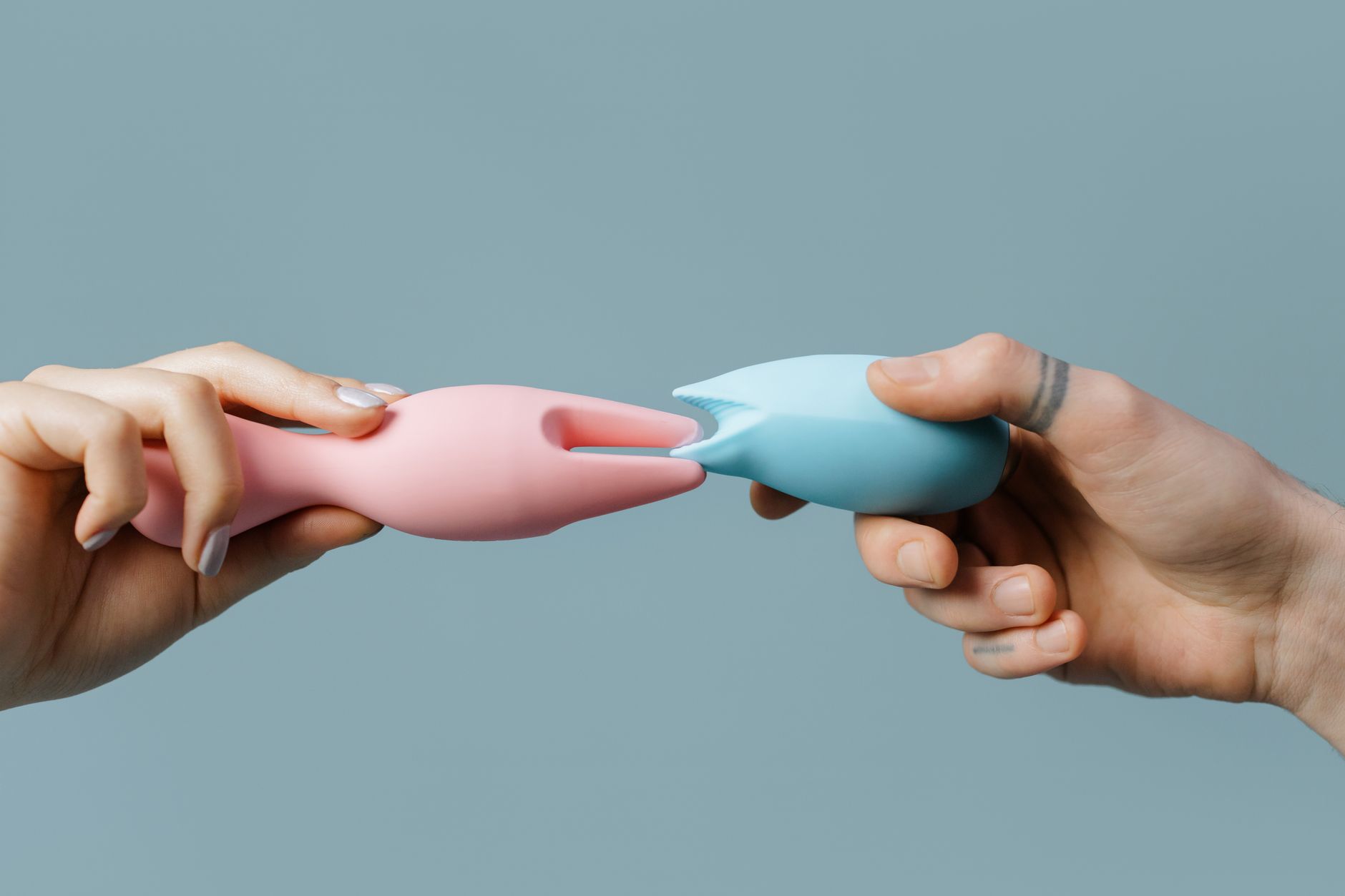
Now, the space is different. A lemon clitoral vibrator that used to create one type of pressure pattern might feel more intense, or paradoxically, less intense. Some women report that suction tools like the Lem suddenly feel sharper because the tissue underneath is thinner and more directly responsive. Others say pleasure feels muted because their pelvic floor is still learning to engage properly around the new shape.
This is not permanent. But it's real, and pretending it won't happen sets you up to feel broken when it does.
The pelvic floor piece (the part that matters most)
Your pelvic floor didn't remove your fibroids. But it spent months or years tightening around them. It was working overtime. Now that they're gone, those muscles are confused. They don't know what their job is anymore.
When you use a lemon vibrator, your pelvic floor's response is often the first thing that changes. You might feel:
- Involuntary tensing when you'd normally relax
- A grabbing sensation that feels unpleasant instead of pleasurable
- Difficulty locating the sensation at all, like it's distant or muffled
- Strange cramping or pressure sensations that feel nothing like arousal
This is textbook pelvic floor confusion, not nerve damage or failure. It usually resolves in 6-12 weeks with intentional relaxation work. But you have to do that work. Waiting alone won't fix it.
Start with basic pelvic floor breathing. Lie on your back. Breathe in for a count of four, imagining your pelvic floor widening and softening. Exhale for four, letting everything release further down. Do this for two minutes daily. Then add gentle stretches. Child's pose. Happy baby. Butterfly stretch. The goal isn't strength yet. It's awareness and ease.
When you're ready to use a lemon clitoral vibrator again, start at the lowest intensity setting. Give your body permission to feel awkward. Use extra lubricant. The goal isn't orgasm. It's familiarity.
Timeline expectations (the honest version)
Weeks 1-3: Your body is in acute recovery mode. Pleasure exploration is off the table. Rest is the priority.
Weeks 3-6: Light sensation returning. The idea of pleasure might feel interesting but physically uncomfortable. A lemon vibrator, even just holding it, might trigger cramping or feel like pressure you're not ready for.
Weeks 6-10: Most people can begin gentle exploration. Your pelvic floor is calmer. Numbness typically starts lifting. A lemon clitoral vibrator at low intensities becomes tolerable, sometimes pleasant.
Weeks 10-16: Sensation normalizing. Your body begins to remember. Pleasure starts feeling like pleasure instead of a project.
Week 16 onward: Most people are back to their baseline, often with surprise discoveries (some report orgasms feel more intense now, others find they're slower to build).
Your timeline might be faster or slower depending on surgery complexity, your age, whether you have endometriosis (common alongside fibroids), and your body's general healing capacity. Four months is typical. Six is normal. Eight happens. Any of these is fine.
What to do when pleasure doesn't feel like pleasure
First: stop trying. The pressure to have pleasure on schedule is the fastest way to override your actual nervous system signals. Your body is telling you something needs more time. Listen.
Second: separate sensation exploration from goal-oriented sex. If you're partnered, have the conversation early. "My body is different right now. I want to explore it, but not with orgasm as the target." This removes shame and failure from the equation.
Third: use plenty of lubricant. Post-fibroid removal, your vaginal tissue often feels drier even if you're not in menopause. A water-based lube isn't a sign of failure. It's a tool that lets your body relax instead of gripping.
Fourth: when you do use a lemon vibrator, keep the first sessions short. Five minutes max. Your nervous system is learning that pleasure is safe again. You're not trying to finish. You're trying to reacquaint.
The emotional piece (yes, it matters)
Many people don't anticipate this part. Fibroid removal can feel like reclaiming your body. Simultaneously, it can feel like your body has betrayed you. For months you carried growths. Surgery fixed the medical problem but doesn't erase the experience.
If you find yourself avoiding pleasure or feeling disconnected when you try, that's as much an emotional reset as a physical one. Some people benefit from talking with a therapist during this period, especially if the fibroids caused pain, infertility struggles, or body image strain. Pleasure doesn't exist in a vacuum. It lives in your whole history with your body.
When you're ready to reconnect with lemon sexual toys or any form of pleasure, you're not just healing physically. You're also reclaiming agency. That deserves to be named.
When to check with your doctor
Pain during pleasure is not normal post-recovery. If you're past week 6 and using a lemon clitoral vibrator (or anything insertive) causes sharp pain or cramping that lingers for hours, talk to your surgeon. You might have scar tissue that needs attention or pelvic floor tension that responds better to physical therapy.
Similarly, if numbness persists past week 12 or if you're experiencing new pain sensations that feel different from standard post-op discomfort, that's worth flagging. Most post-fibroid complications are minor and fixable. But only if you mention them.
The surprisingly good news
Here's what I see in my practice again and again: pleasure after fibroid removal is often better than before. Without the chronic pelvic crowding and pain, without the tissue distortion, your body's actual capacity for sensation can finally emerge. Some people discover they can orgasm more easily. Others report that sensation feels clearer, sharper, more localized.
Your lem vibrator or other clitoral tools might actually work better now. Not right away. But once your body finishes rearranging itself, many people find they're more responsive, more quickly aroused, more intensely satisfied.
This isn't guaranteed. Everyone's recovery is individual. But the potential is there. Give your body the time it needs, and you might find yourself more connected to pleasure than you were before surgery.
FAQ: Lemon Vibrators and Fibroid Recovery
When can I safely use a lemon vibrator after fibroid removal surgery?
Most surgeons recommend waiting until you've received medical clearance, typically 4-6 weeks post-op. For penetrative use, that's usually 6-8 weeks. Clitoral-only stimulation with a tool like a lemon clitoral vibrator can often begin around week 6, starting at the lowest intensity and with clear communication from your body. Always check with your surgeon before resuming any sexual activity. Your specific surgery type matters. A hysteroscopic fibroid removal (minimally invasive) typically allows faster return to pleasure than open surgery.
Why does using a lemon sucker vibrator feel uncomfortable weeks after surgery when the incisions are healed?
Healed incisions aren't the same as fully recovered nerves and pelvic floor function. Your pelvic floor muscles are still reorganizing. Nerve sensation is often muted during early healing and becomes more acute as weeks pass. Using a lemon vibrator sends signals through this confused sensory landscape, sometimes triggering cramping, pressure sensations, or unexpected tensing. This is temporary. Gentle pelvic floor relaxation work, extra lubrication, and low-intensity exploration help. Patience is the actual treatment.
Can fibroid removal cause permanent changes to how a lemon clitoral vibrator feels?
Not typically. Most people return to their baseline clitoral vibrator response by 4-6 months post-op. Some report permanent shifts, but these are usually improvements, not losses. Your nerves, your capacity for arousal, and your ability to orgasm are intact. The physical geography of your pelvis has changed, which temporarily changes the sensation. But that's different from permanent damage. If you're past 6 months and still experiencing numbness or pain with toys, that's worth investigating with a pelvic health physical therapist.
Is it normal to feel emotionally numb about pleasure after fibroid removal?
Completely normal. Your body endured something. Surgery is medical trauma, even when it's necessary and welcome. Emotional numbness often goes hand-in-hand with sensory changes. Reconnecting with pleasure isn't just a physical project. It's also about rebuilding your sense of safety in your own body. Some people find that talking with a therapist, doing body-reconnection work, or simply naming the experience helps. There's no timeline for this. Respect it.
Can I use a lemon vibrator if I develop scar tissue inside my uterus after fibroid removal?
Depending on severity, yes, but cautiously. Scar tissue itself doesn't have many nerve endings, but it can affect how your uterus responds to stimulation. Some people find that deep internal stimulation or G-spot focused toys become uncomfortable. Clitoral-only tools like lemon sexual toys are usually fine. If you're having pain with any type of stimulation and suspect scar tissue, ask your doctor about it. Physical therapy or minor procedures can sometimes help. But many people live comfortably with post-fibroid scar tissue and full pleasure.
How long until I feel like my normal self pleasure-wise after surgery?
Physically, most people feel "back to normal" by week 16. But "normal" is tricky. Your body has changed. So the new baseline might feel better than the old one, or at least different. Emotionally and psychologically, reconnecting can take longer, especially if fibroids caused pain or fertility strain. Give yourself at least 6 months before judging whether your pleasure capacity has actually shifted or if you're just still in recovery. Most surprises are good ones. Some take time to notice.
The reset you're allowed to have
Fibroid removal is a threshold moment. Before and after. Your body has legitimately changed. That's not drama. It's anatomy. And that means your approach to pleasure gets to change too. Slower. Gentler. More intentional. Maybe with different tools or techniques. Maybe with your partner, maybe solo, maybe with a combination that feels new.
Your lemon clitoral vibrator will still work. Your capacity for pleasure is still there. But you get to relearn it. And sometimes, when you have to relearn something, you discover parts of it you missed the first time around. Give yourself permission to have that experience. You've earned it.