
What you're actually noticing
Let's be real. If you've been using a lemon vibrator for years and suddenly it feels different, you're not imagining it. Your body has changed. The good news is that understanding what's shifted makes the experience better, not worse.
Hormonal fluctuations affect tissue thickness, blood flow, sensitivity thresholds, and how quickly your nervous system responds to stimulation. Your lemon clitoral vibrator is the same device. Your body is doing something different with the sensation it's delivering.
How hormones reshape clitoral sensation
The clitoris is packed with nerve endings, but those nerves live in a hormonal environment. Estrogen affects blood vessel flexibility, which determines how much blood floods the tissue during arousal. Progesterone influences overall arousal baseline. Even small shifts in these hormones change the sensation profile of air-suction vibrators like lemon toys.
This matters because air-suction technology works by creating a gentle seal and pulse pattern over the clitoris. It's not direct vibration hitting tissue, which means sensation depends heavily on baseline blood flow and tissue responsiveness. When hormones shift, the feedback loop changes.
I've had clients report that their lemon vibrator suddenly feels too intense, or conversely, that they need higher patterns than before. Neither indicates a problem. Both suggest your nervous system's sensitivity threshold has moved.
The sensation shift during different cycle phases
If you menstruate, sensation peaks typically around ovulation when estrogen surges. That's when a lemon vibrator often feels most responsive and orgasms tend to arrive faster. As progesterone rises in the luteal phase, sensitivity often dampens slightly. Some people find they prefer lower patterns mid-cycle, higher patterns at other times.
After hormonal transitions like perimenopause, postmenopause, or certain medications, these peaks flatten out. You're no longer riding hormonal waves. Instead, you establish a new baseline that's often steadier but requires different expectation-setting.
The clitoris itself doesn't shrink or lose nerve density with age or hormonal change. But the tissue surrounding it changes. It becomes thinner, less engorged at baseline. For a lemon clitoral vibrator, this means you might find that starting at pattern 2 instead of pattern 1 creates the right sensation, or that you need 15 minutes of warm-up instead of 5.
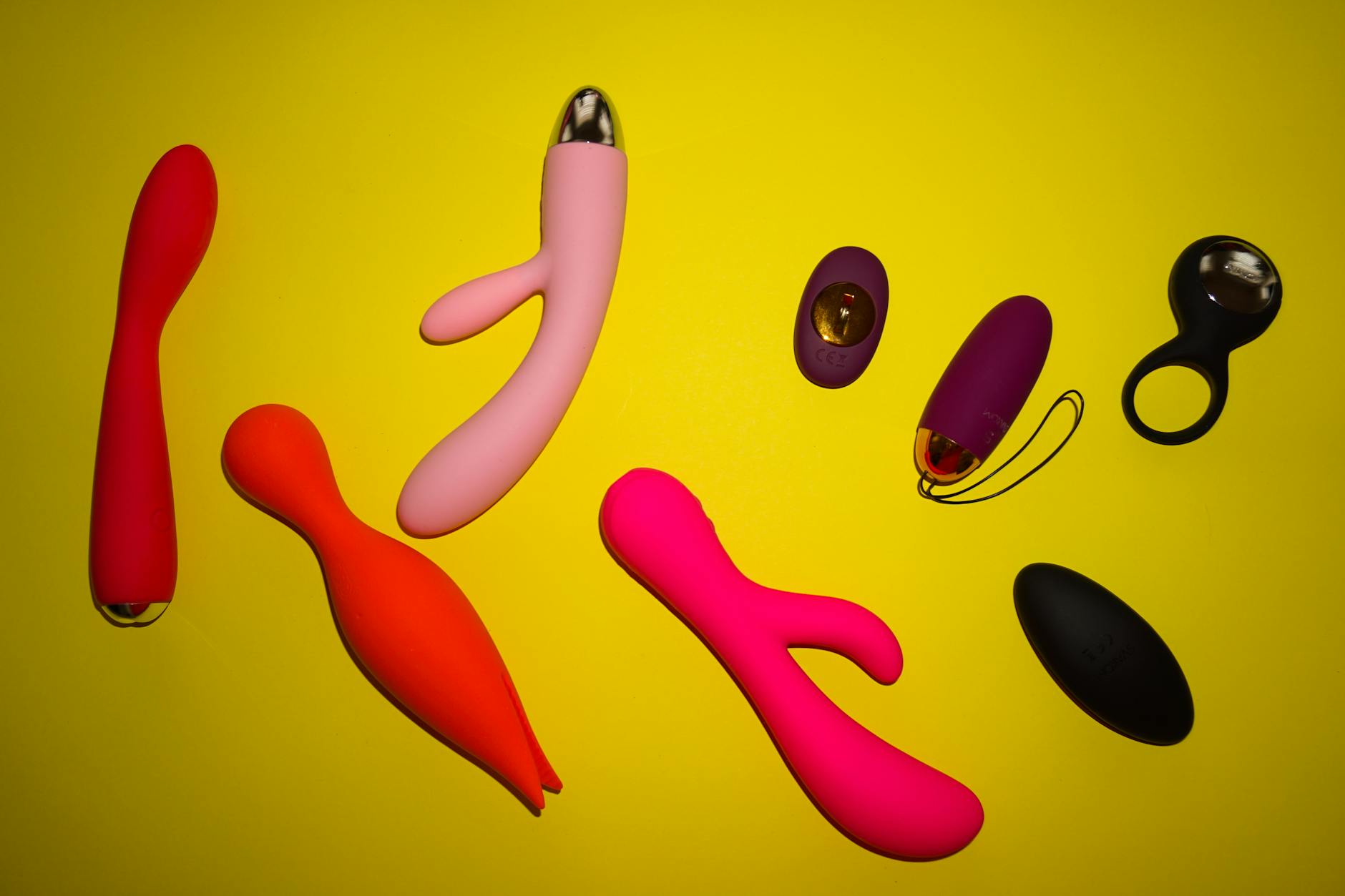
Photo by FounderTips on Pexels
Why your lemon vibrator might feel numb
If your lemon sucker suddenly feels like you're barely feeling it, several things could be happening.
First, baseline tissue thickness has changed. Thinner tissue requires either more time to engorge before stimulation, or a different intensity level to register the same sensation. This isn't numbness. It's a shift in the stimulus-to-sensation ratio.
Second, arousal onset has slowed. Hormonally driven changes often mean it takes longer to reach the nervous system state where pleasure registers intensely. Plan for longer foreplay or solo warm-up time. This isn't a loss of capacity. It's a timing recalibration.
Third, you might be approaching the device with expectation-fatigue. If you're used to a certain sensation arriving at a certain pattern level, your brain might interpret anything different as "not working." The solution is deliberate re-exploration, not abandonment.
Start one pattern lower than you think you need. Move slowly through the intensity progression. Notice what registers, rather than chasing what used to register. Most clients find their sensation sweet spot shifts by one or two pattern levels, not off the scale entirely.
When lemon vibrators suddenly feel too strong
On the opposite end, some people find their lemon clitoral vibrator becomes overwhelming after hormonal shifts. The same pattern that felt perfect now feels like too much, too fast.
This happens because tissue sensitivity and arousal response have changed. If tissue is thinner and more delicate, direct suction might create a sensation that feels sharper rather than pleasurable. Or your nervous system's baseline excitability has shifted, meaning stimulation registers more intensely relative to your new baseline.
The fix isn't finding a weaker toy. It's recalibrating your approach. Use lower patterns as your primary patterns, not your warm-up patterns. Build longer into your routine. Consider adding lubricant, which can buffer sensation and make suction feel less intense while maintaining the pleasure of the air-suction technology.
Many people also find that repositioning changes how intensity feels. Moving your lemon vibrator slightly off-center, or using it through the clitoral hood rather than directly on the glans, can modulate sensation without changing the device.
The role of lubrication after hormonal shifts
Lubrication does more than reduce friction. It also distributes sensation more evenly and can soften the sensation profile of air-suction devices. A water-based lube creates a micro-barrier that makes suction feel more diffused, less focused.
If your lemon vibrator has started to feel too intense, lubrication is often the first adjustment I recommend before switching devices or patterns. If sensation has become duller, lubrication still helps because it allows tissue to respond more fully to stimulation by reducing micro-irritation that can dull sensation over time.
The other benefit of lube is psychological. Using it signals to your body that you're being intentional about pleasure, which often helps arousal arrive faster and feel deeper. That mental state matters as much as the physical intervention.
How to recalibrate your lemon vibrator routine
Three concrete changes that work for most people navigating hormonal shifts:
Start lower, stay longer. If you used to begin at pattern 4, start at pattern 2 and spend 10 minutes there before progressing. Your nervous system needs more time to register sensation at the new baseline.
Add external foreplay. Spend time on broader clitoral area stimulation before focusing in. A partner's hand, your own hand, or a lower-intensity vibrator on surrounding tissue primes arousal in ways that make your lemon vibrator feel more responsive when you do use it.
Experiment with angle and pressure. The angle at which you hold your lemon clitoral vibrator against your body changes sensation substantially. Small shifts forward, back, or to the side might reveal sensation profiles you haven't explored. This is especially true after hormonal changes, when your responsive zones might have migrated slightly.
Most importantly, give yourself permission to explore what feels good now rather than chasing what felt good before. Pleasure isn't a fixed target. It's responsive, adaptive, and changes across your lifetime. That's not a problem. It's information.
When to suspect something else is going on
If sensation has completely disappeared and isn't returning after you've adjusted patterns and warm-up time, mention it to your GP or a gynecologist trained in sexual health. Sometimes medication changes, thyroid shifts, or other physiological changes can dull sensation independently of hormones.
Pain during use always warrants professional input. That's different from reduced sensation. Pain suggests tissue irritation or inflammation, which is treatable but worth investigating.
One more thing: if emotional connection to pleasure has shifted alongside sensation changes, that's worth exploring separately. Hormonal shifts often coincide with relationship transitions, aging anxieties, or identity changes that affect desire independent of physical sensation. A therapist or counselor can help untangle those threads, which is different work than finding the right vibrator pattern.
Your lemon vibrator is still an incredible tool for pleasure. Your body has simply evolved the way it experiences that tool. That evolution is worth paying attention to, not fighting against.
People also ask
Why does my lemon vibrator feel less intense than it used to?
Hormonal changes affect baseline blood flow and tissue thickness in the clitoral area. Thinner tissue and lower baseline arousal can make sensation feel muted. This typically resolves with longer warm-up time, a bit of lubricant, and starting at a slightly higher pattern level than before. You're not losing capacity. Your nervous system's sensitivity threshold has shifted.
Can hormonal birth control change how my lemon clitoral vibrator feels?
Yes, significantly. Birth control that suppresses hormone fluctuation creates a flatter arousal baseline. Some people love this because sensation becomes more consistent. Others find it dulls overall intensity. If you've switched birth control and your lemon vibrator feels different, give it three months on the new method before concluding anything permanent has changed. Your body needs time to adapt.
Does a lemon sucker work differently after perimenopause?
The technology itself works the same way. Your body's response changes. After perimenopause, tissue is thinner and baseline blood flow is lower, which means arousal takes longer to build and sensation might feel different. Many people find they prefer longer warm-up time and lower starting patterns. Air-suction devices like lemon vibrators often feel particularly good during this transition because they're gentler on thinner tissue than direct vibration toys.
Should I switch to a different vibrator after hormonal changes?
Not necessarily. Most people find that adjusting their approach with their current lemon vibrator is enough. Longer warm-up, different pattern levels, lubrication, and angle changes often restore the sensation they're looking for. If you do want to explore other devices, I'd suggest trying adjustments first, since many of those changes apply to any vibrator you use.
Does postmenopause sensation ever return to what it was before?
No, and that's actually good news. Sensation doesn't return to what it was because your body has fundamentally changed, and that's not reversible. But sensation does stabilize into a new normal within a few months to a year after major hormonal transitions. Once you acclimate to the new baseline, many people report their orgasms feel deeper, more localized, and more satisfying than before. Different isn't worse. It's often better.
Can I use my lemon clitoral vibrator the same way if I'm taking hormone therapy?
It depends on your dosage and your body's response. Hormone therapy restores some tissue thickness and blood flow, which often means sensation becomes more responsive again. You might find you can return to your previous patterns and warm-up times. Work with it gradually, since changes happen over weeks, not days. And check in with the healthcare provider managing your hormone therapy if sensation changes feel extreme in either direction.
The takeaway
Your lemon vibrator isn't broken. Your body is evolving, and that evolution changes the feedback loop between device and sensation. That's not loss. It's information. The more you understand what's shifting and why, the better you can adapt your approach and keep pleasure not just alive, but deepening.
If you want to explore your options or have questions about how different devices might work with your body's current needs, reach out. We're here to help you keep pleasure central to your life at every stage.