Let's start with the real picture
Your pelvic floor did something it was never designed to do. Whether you gave birth vaginally or via cesarean, your body rerouted blood, stretched tissue, healed from microscopic tears, and rebuilt its entire pelvic architecture. The fact that you're thinking about pleasure at all right now is actually a sign of resilience, not a problem.
But here's what most people don't tell you: childbirth changes sensation and arousal in ways that feel unexpectedly different. Not worse, necessarily. Just different. And those differences matter because they shape how you experience pleasure again.
What happens to sensation in the first six months
Postpartum bodies are flooded with prolactin if you're breastfeeding, which naturally suppresses estrogen and can dampen arousal. Even if you're not nursing, oxytocin spikes and then drops unpredictably. Your pelvic floor is either healing from trauma (if you tore) or from surgical trauma (if you had a c-section). The vaginal tissue is thinner. Lubrication is slower to arrive. And if you had perineal stitches or scarring, that tissue may feel hypersensitive or numb for months.
This is not permanent. But it is real, and pretending it isn't leads to frustration.
Most people report that direct clitoral sensation feels either muted or almost too sharp around weeks 2-8 postpartum. A lemon clitoral vibrator, which uses suction rather than intense vibration, can feel gentler on healing tissue while still delivering sensation. The key is timing and technique.
Why emotional arousal becomes harder too
There's the hormonal piece, yes. But there's also the cognitive and emotional load that hits differently after birth. You're operating on fragmented sleep. Your partner may feel like a roommate, not a lover. Breastfeeding (if you're doing it) can create touch satiation. Your body may literally not want more hands on it because it's been touched all day by a baby.
This is not lack of desire for your partner. It's depletion. The nervous system is in recovery mode, which means arousal takes longer to build and feels less automatic. A lemon vibrator can help you access sensation on your own timeline, which often means discovering what you need before trying to reconnect with a partner.
Many couples find that partnered touch feels better after solo exploration. It's not selfish. It's actually the fastest path back to couple intimacy because you're not guessing. You know what works now.
When it's physically safe to use a vibrator
Most healthcare providers give the all-clear at six weeks postpartum if you had an uncomplicated vaginal birth and no tearing, or at eight weeks if you had a c-section or repairs needed. But "cleared" doesn't mean you're ready. Ready is a different conversation.
Before you use anything, check in with these markers:
- Lochia (bleeding) has stopped or is very light. No bright red, no clots.
- You can walk for 15 minutes without pain or pressure.
- You can cough or laugh without sharp pain in your pelvic region.
- You've had at least two full nights of sleep in a row (okay, maybe skip this one).
When you do start, go slow. A lemon sucker vibrator is ideal for postpartum bodies because suction is less mechanically intense than direct vibration. Start on the lowest setting. Build arousal for 10-15 minutes before introducing the vibrator. Stop immediately if you feel sharp pain, burning, or unusual pressure.
Scarring, especially from episiotomy or tearing, can take 12-18 months to fully remodel. Use lubricant freely. Water-based is gentler on healing tissue than silicone-based. And honestly, if something doesn't feel right, it doesn't have to feel right yet. Come back to it in two weeks.
Why sensation might feel dulled or heightened
Nerve endings in the perineum can take months to fully reinnervate after trauma or repair. Some people report complete numbness in certain spots. Others report extreme sensitivity. Both are normal.
If numbness is the issue, patience usually wins. Sensation typically returns gradually over three to six months. A lemon vibrator can actually help reawaken nerve sensitivity because the suction pattern is different from other stimulation. It's like introducing a new rhythm to tissue that's learning to respond again.
If hypersensitivity is the issue, less is more. Lower intensity settings. Shorter sessions. Lubricant that feels protective rather than slippery. Some people find that starting with external-only stimulation and moving inward over weeks works better than jumping to direct clitoral contact.
The relationship reset that needs to happen first
Let's be honest. Your partner may be nervous about hurting you. You may be touched out. They may feel rejected. You may feel invisible. None of these feelings are wrong. They're all true at the same time.
Before you reintroduce partnered pleasure, you need to reintroduce communication about pleasure. Not just sex. Pleasure. What feels good to your nervous system right now. What you need that isn't sex. Where touch lands differently now that your body has changed.
If you're using a lemon vibrator, tell your partner what you're exploring and why. Not as an invitation to join (though it might be, eventually). As information. "I'm getting to know my body again. I'm noticing that sensation is different. I'm learning what I need." That conversation matters more than the device.
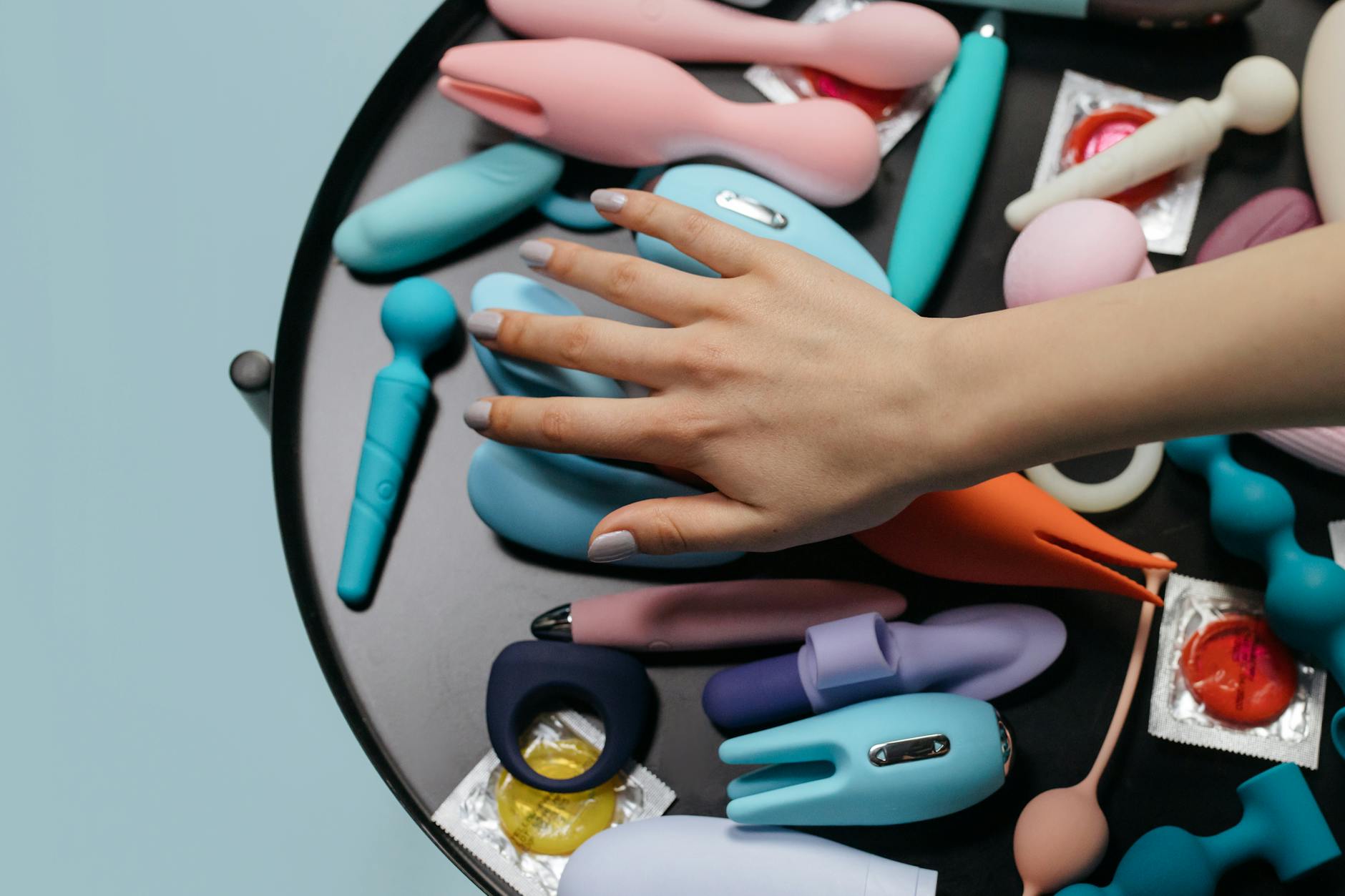
Photo by cottonbro studio on Pexels
How to reintroduce partnered touch gradually
Start with non-sexual touch. Hand-holding. Back rubs. Sitting close while watching something. Let your body remember what it feels like to be touched by someone you love without the pressure of arousal or performance.
When you do start sexual touch again, go slower than you think you need to. Arousal takes longer postpartum, especially if you're sleep-deprived. Fifteen minutes of foreplay is not excessive. It's baseline. A lemon clitoral vibrator can help bridge the gap between "body hasn't woken up yet" and "body is responding." Some partners actually use it together as part of foreplay rather than as a solo tool.
If penetration feels wrong, it doesn't have to happen. Not now, anyway. Pleasure can be completely external. And frankly, many people find that external pleasure feels better after birth because there's zero pressure and zero pelvic floor involvement.
When to see a pelvic floor specialist
If you're past three months postpartum and sensation still hasn't returned, or if pain appears during arousal or any kind of touch, pelvic floor physical therapy can be genuinely transformative. A PT can assess whether scar tissue is restricted, whether your pelvic floor is too tight or too weak, and whether desensitization work or stretching would help.
Pain during sex or with vibrators is not normal postpartum. It becomes normal over time if nothing changes, which is why getting help early matters. Most people see improvement within 4-8 weeks of therapy.
The timeline is different for everyone
Some people feel like themselves again sexually at three months. Others take a year. Some people report their first really good orgasm at nine months postpartum. That's not late. That's just real.
Your body didn't break. It transformed. And the pleasure that comes back might be different from what came before. Deeper. More earned. Less performance-based. That's not a loss. That's evolution.
Frequently asked questions
Can I use a lemon clitoral vibrator before six weeks postpartum?
Not typically, no. Six to eight weeks is the medical standard for healing. Using a vibrator before that risks reopening stitches or introducing infection into healing tissue. The waiting period feels eternal, but it matters. If you're cleared earlier due to a straightforward recovery, talk to your provider before introducing any vibration.
Does breastfeeding make pleasure harder to access?
Yes, often. Prolactin suppresses estrogen and can significantly dampen sexual desire and arousal. This is temporary and biological, not a reflection of your feelings about your partner or your body. It usually resolves when you wean or after about six months if you're exclusively nursing. Using a lemon vibrator can help you access sensation even when arousal feels distant, which sometimes helps reset the whole system.
What if my partner is nervous about me using a vibrator postpartum?
Have the conversation early and frame it as recovery, not rejection. "My body is learning how to feel pleasure again. Using this helps me understand what works now so I can tell you what I need." Most partners feel relief, not threatened, when they understand it's about reconnecting, not replacing. Many couples find that solo exploration actually speeds up the return to partnered pleasure because the guessing game ends.
Is it normal to feel numb after childbirth?
Completely normal, especially if you had trauma or repair. Nerve reinnervation takes time. Sensation typically begins returning gradually at around three to four months postpartum and can continue improving for 18 months. If numbness persists beyond six months or if you have concern about specific areas, pelvic floor physical therapy can help.
Should I feel pain when using a vibrator postpartum?
No. Some pressure or mild sensation is normal as tissue heals. Sharp pain, burning, or pain that lingers after you stop is a signal to wait longer. Stop using the vibrator, and check in with your healthcare provider if pain persists. Postpartum bodies are still healing, and pushing through pain can slow that healing down.
How long before everything feels "normal" again?
That depends on what "normal" means. Physical healing usually settles around six months. Sensation and arousal often take longer to fully return. Some people feel completely back to baseline at nine months. Others find their sexuality actually feels different and better after postpartum recovery. There's no timeline. There's just your body, your partner, and patience.
You're not behind, you're just rebuilding
Every postpartum body is different. Some people reconnect with pleasure within weeks. Others need months. Both are fine. The lemon vibrators and other tools are here to help you listen to what your body needs right now, not to rush you toward someone else's timeline.
Your pleasure matters. Your recovery matters. And taking time to reconnect with both is not selfish. It's the foundation for everything that comes next. If you have questions about getting back to intimacy safely, reach out to our team at Hello Nancy. We're here to help.