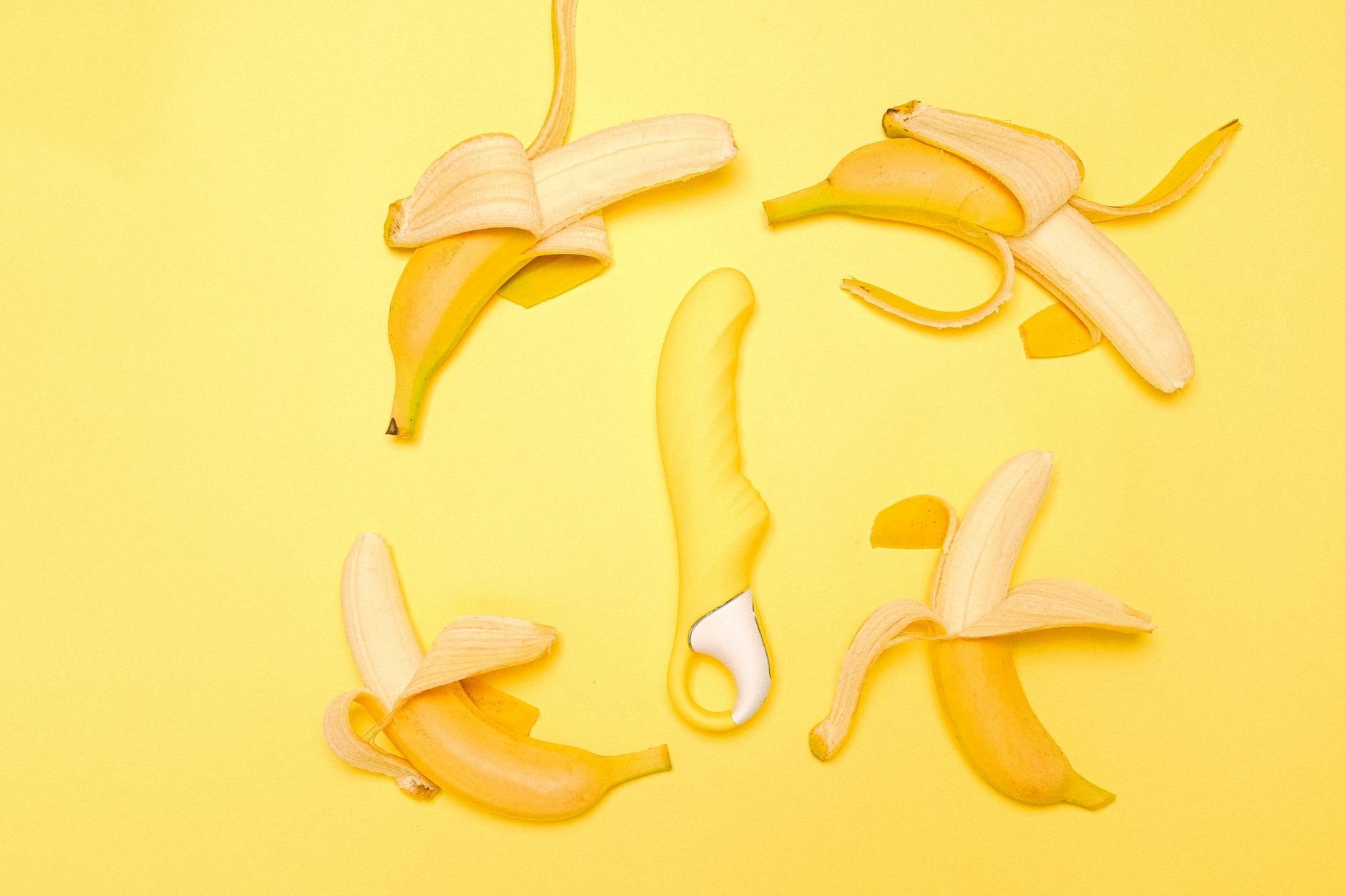
Here's the thing about new partners and toys
You think bringing a lemon vibrator into a new relationship should feel the same as it did alone. It won't. Not because anything is wrong with you, and not because the toy is different. Your entire nervous system is different. The presence of another person, the risk of vulnerability, the novelty of their touch and rhythm—all of this rewires how your body receives pleasure.
I've worked with hundreds of couples navigating this exact moment, and the most common reaction is confusion. "Why does this feel less intense than when I use it alone?" or "Why does my body feel tense even though my brain is excited?" The answer involves your vagus nerve, your threat detection system, and something called the intimacy paradox.
The intimacy paradox: why closeness creates tension
When you're alone with a lemon clitoral vibrator, your body knows the space is safe. You control the speed, the pressure, the moment it stops. Your parasympathetic nervous system (the part that handles pleasure and relaxation) is running the show.
Now introduce another person. Suddenly your body has to manage three simultaneous inputs: the physical sensation of the toy, the sensation of your partner's hands or body, and the emotional weight of vulnerability. Your threat-detection system wakes up. This isn't bad. It's actually your nervous system doing its job. But it does change sensation.
Many people describe this as numbness or disconnection. What's really happening is that your nervous system is diverting resources away from pleasure pathways and toward vigilance pathways. You're scanning: Is this safe? Am I doing this right? What do they think? Is this taking too long? These are normal cognitions in early intimacy, and they genuinely reduce clitoral sensation.
Why lemon vibrators expose this more than manual touch
A lemon vibrator is consistent. It doesn't shift or hesitate or require feedback. When you're using one alone, that consistency is stabilizing. With a partner watching, that same consistency becomes a mirror for your own internal state. If you're not fully relaxed, you feel it more acutely against a vibrator than you would against a partner's hand or mouth.
Here's the practical part: your clitoral nerve endings respond best when your pelvic floor is relaxed. Tension anywhere in your core—your abdomen, your inner thighs, your pelvic floor—dampens sensation. When you're new to someone, tension is almost guaranteed. Your body is unconsciously gripping.
A lemon clitoral vibrator doesn't adapt to that tension the way a partner's body can. So you notice it more. Some people find this incredibly useful information. Others find it frustrating. Both reactions are valid.
The role of anticipation and unfamiliarity
When you've been using the same toy alone for months or years, your brain has mapped the sensations. You know exactly what pattern 3 on a lemon vibrator will feel like, so you can relax into it fully. Dopamine isn't spiking because nothing is surprising.
With a new partner, even the same toy feels new. Your partner is watching, touching, responding. Your brain is processing novelty, which is great for dopamine and arousal, but it can also keep your nervous system in a mild state of alert. You're less likely to drift into the deep relaxation that makes orgasms easier.
This usually shifts after a few weeks or months. Once your partner's presence becomes familiar, once you've had enough good experiences that your body trusts the context, sensation intensity with a lemon vibrator often increases significantly. Your nervous system recognizes safety, relaxation deepens, and orgasms tend to become stronger.
Timing, pressure, and the sensitivity reset
When you introduce a lemon sexual toy to a new relationship, consider the timing. If you're still in the early stages of building comfort, the first time you use a vibrator together might not feel as satisfying as you expected. This is not a reflection on the toy or on your body. It's a reflection on nervous system state.
I recommend this sequence: First, use the lemon vibrator alone a few times to remind your nervous system what sensation to expect. Then, when you introduce it with your partner, start at lower intensity settings than you'd use alone. This sounds counterintuitive, but lower intensity is actually easier for your nervous system to process when vigilance is higher. Once your body learns that this context is safe, you can increase intensity.
Many partners also report feeling pressure to perform or to orgasm faster when a toy is involved. That pressure is a nervous system killer. The most helpful conversation you can have before using a lemon clitoral vibrator together is to agree that there's no outcome you're trying to reach. This is exploration. Anything that happens is fine. Nothing that happens is failure.
The role of your attachment style
Your attachment style—how you instinctively relate to closeness and risk—shapes how your body responds to vulnerability in front of a new partner. Anxiously attached people sometimes experience heightened sensation with a partner present because the closeness itself is exciting. Avoidantly attached people often experience dampened sensation because vulnerability triggers a mild threat response. Securely attached people tend to have more consistent sensation regardless of context.
None of these is better or worse. But knowing which one you are helps you understand why a lemon vibrator might feel dramatically different with a partner than it does alone. If you tend toward avoidance, building explicit safety (verbal consent, checkpoints, clear communication) before introducing a toy can shift the entire experience. If you tend toward anxiety, setting boundaries around speed or outcome can paradoxically increase sensation.
This is also why how to use a lemon vibrator with a partner new to toys requires conversation beforehand. Your nervous system responds to the emotional safety of the space, not just the physical stimulation.
Lubrication and arousal shifts with a new partner
Here's something people don't always connect: arousal response genuinely changes when another person is present. Your body produces lubrication differently. Your clitoris engorges differently. These aren't failures of your body. They're normal variations based on nervous system state.
When you're anxious or in a state of mild threat detection, vasoconstriction happens. Your blood vessels constrict slightly, which means less blood flow to genital tissue, which means less engorgement and sometimes less lubrication. This is why the lemon vibrator might feel less intense—your tissue is actually responding with slightly less inflammation and engorgement than it would alone or in a fully relaxed state.
Use more lubricant than you would solo. This does two things: it reduces friction, which is more important when tissues are slightly less engorged, and it sends a signal to your nervous system that you're prioritizing your own comfort. That signal matters. When you're not worried about friction or dryness, your body can relax more deeply.
When something genuinely feels wrong
If sensation is dampened, that's often just nervous system state. But if something actively hurts or feels wrong, that's different. Pain is your body's way of saying something needs attention. If you experience pain with a lemon vibrator when a partner is present, and you don't experience it alone, the culprit is usually tension or pelvic floor holding. A pelvic floor physical therapist can help with this. The solution is rarely to abandon the toy.
If numbness persists after several weeks of use with a partner, that's worth discussing with a therapist or doctor. Persistent numbness can indicate anything from medication side effects to deeper anxiety patterns, and you deserve support figuring it out.
Making the shift from solo to partnered pleasure
The transition from using a lemon clitoral vibrator alone to using one with a partner is genuinely a nervous system recalibration. Your body isn't broken. It's learning a new context. Build this learning slowly. Use the toy together without pressure for outcome. Let your partner be present while you use it alone first, just so your system can register their presence as safe.
Talk before, during, and after. What felt good? What felt off? What's something you want to try next time? These conversations wire safety into your nervous system as reliably as the toy itself.
Most couples report that sensation with a lemon vibrator intensifies significantly after the first month of use together. By three months, many people experience their strongest orgasms when using the vibrator as a partnered activity. That timeline is real. Your body is not failing. It's integrating a new person into an intimate space. That takes time.
FAQ
Why does my clitoral vibrator feel less intense with a new partner than when I use it alone?
Your nervous system is processing both the physical sensation and the emotional presence of another person. When vigilance is higher, blood flow shifts away from pleasure pathways. This is temporary and usually shifts within weeks as your nervous system recognizes safety.
Is it normal to feel numb when using a lemon vibrator with a new partner?
Yes, very common. Numbness in this context usually indicates pelvic floor tension, which happens when we're nervous or vulnerable. Relaxation exercises, breathing, and lower initial intensity settings help. If numbness persists for months, check in with a doctor.
Should I use my lemon vibrator on a different setting with a partner?
Try starting at lower intensity than you'd use alone. Counterintuitively, lower intensity is easier for a nervous system in mild alert. As your system learns the context is safe, you can increase. Many people eventually use higher settings with a partner because they're more fully relaxed.
How long does it take for sensation to return to normal with a new partner?
Most couples report noticeable shifts within 2-4 weeks and significant changes by 8-12 weeks. This timeline varies based on how often you're intimate and how naturally secure you feel with vulnerability. There's no "normal" speed.
What if my partner feels weird watching me use a lemon vibrator?
That's common too. Many partners have cultural or personal beliefs about toys. Conversation is key. Explain that the vibrator enhances your pleasure and your ability to feel present with them. Some partners warm up over time. Some don't. Both are valid, and you get to decide what fits your relationship.
Can using a lemon vibrator damage my ability to feel pleasure with a new partner?
No. Vibrators don't desensitize healthy tissue. If you notice sensation changes, it's usually a nervous system pattern or pelvic floor habit, not damage. These are reversible with time and support.