Let's start with the real part
Breast surgery changes your body. It doesn't erase your sexuality. But there's often a gap between those two facts, and that gap is where a lot of people get stuck. You're cleared medically, but you don't feel ready. Your partner wants to reconnect, but you're anxious about how your chest will feel or how you'll feel about it being touched. And nobody really talks about how to bridge that gap with actual tools and strategies.
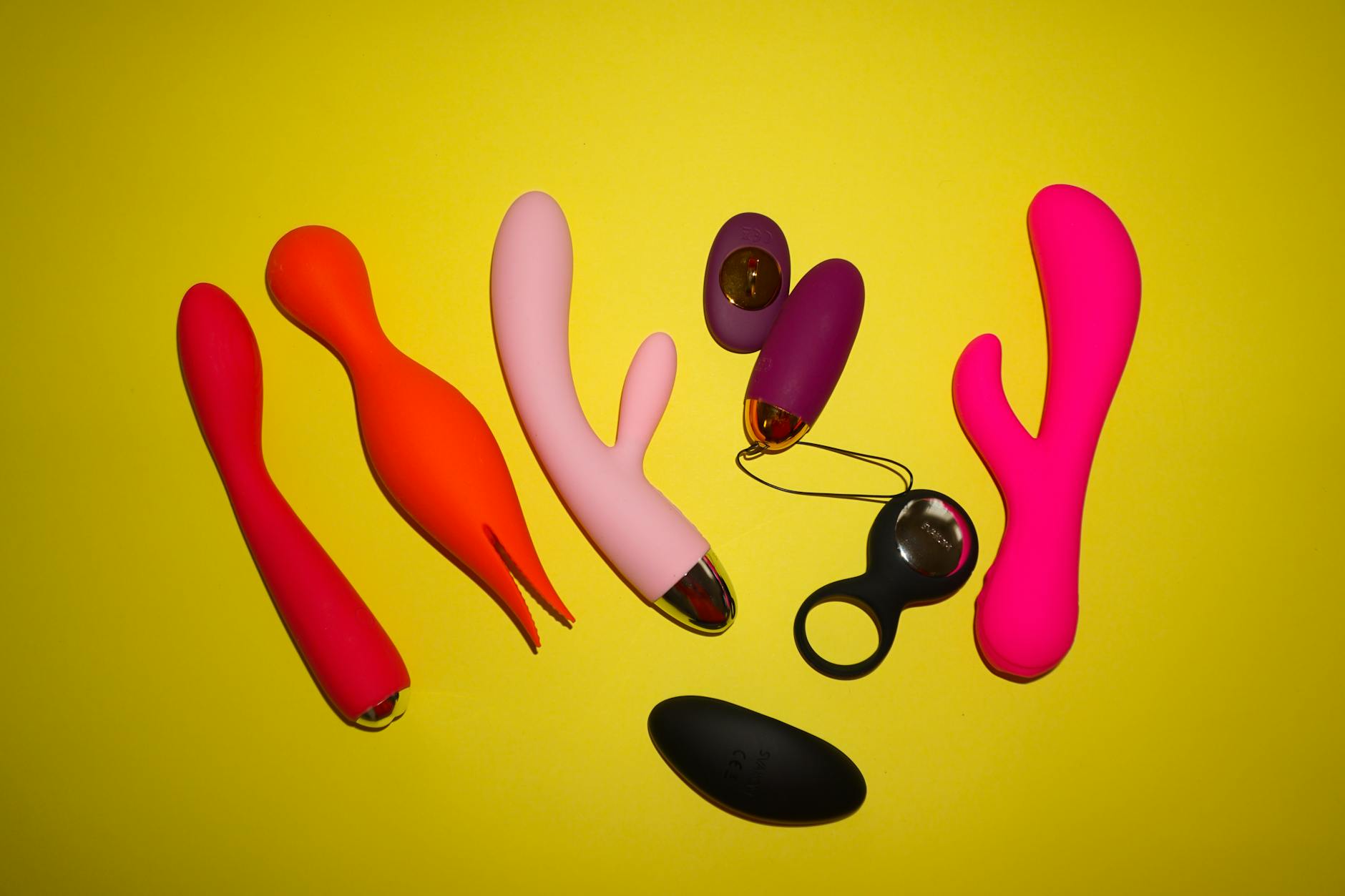
Here's the thing: lemon clitoral vibrators are quietly useful for this exact transition. Not because they're magical, but because they let you rebuild pleasure on your own terms, away from the chest entirely, and at whatever pace feels right.
What breast surgery does to sensation
Surgery changes three things about how your chest feels: nerve pathways get disrupted, scar tissue forms, and the psychological relationship to touch shifts hard. Some people report numbness for months. Others experience hypersensitivity where anything touching the scar site feels raw or wrong. Both are normal. Both are temporary in most cases. And both can make partnered touch feel complicated.
The irony is that your clitoris, your vulva, and your ability to orgasm are completely unaffected by breast surgery. Medically, nothing has changed. Emotionally and psychologically, though, everything can feel different. You might feel disconnected from your body as a whole. You might feel anxious about being seen. You might worry that your partner is repulsed, even if they aren't. These feelings are legitimate and they're also separate from your physical healing.
That separation matters. Because it means you can rebuild clitoral pleasure independently from chest healing. You can retrain your nervous system to feel good again. And you can do it on a timeline that has nothing to do with when your surgeon says you're cleared for partner touch.
Why lemon vibrators fit this transition
Three reasons, specifically.
First, they're centered entirely on the clitoris. Not your chest, not your whole body, not intimacy with someone else. Just the part of your body that's guaranteed to still work exactly the way it did before surgery. When your relationship to your body feels fractured, this specificity is comforting. You're literally pointing your nervous system toward pleasure that has nothing to do with the surgery.
Second, the suction mechanism on a lemon clitoral vibrator means you're not relying on friction or direct pressure the way you might with other vibrators. Suction works by creating gentle waves of stimulation rather than vibration alone. This matters because after surgery, many people find that their clitoral sensitivity is either lower or unevenly distributed. Suction tends to feel more accessible across different sensation levels.
Third, using a lemon vibrator solo is emotionally neutral territory. You're not performing for anyone. You're not managing someone else's feelings about your body. You're not worried about being touched on your chest. You're just reconnecting with your own capacity for pleasure, which is exactly what makes it powerful.
The timeline for returning to clitoral pleasure
Most surgeons clear you for sex four to six weeks post-op, sometimes longer. But medical clearance and emotional readiness are not the same thing. I recommend waiting at least a week after that clearance before touching yourself intentionally, just to make sure you're not still in acute recovery mode.
When you do start, begin with a lemon suction vibrator on the lowest setting. Your clitoral sensitivity might feel muted. That's okay. Spend 15 to 20 minutes just noticing what you feel. No pressure to orgasm. No timeline. Just sensation.
Over the next two to three weeks, you can gradually increase intensity and duration. Most people notice sensitivity returning and pleasure rebuilding within four to six weeks of starting. But this is highly individual. Some people are back to their baseline faster. Others take longer. Neither timeline is wrong.
When to involve your partner again
Honestly, there's no medical reason to rush this. Your surgeon cleared you for sex with your partner, but that doesn't mean you have to take that permission immediately.
When you do decide to move toward partnered touch, start with clear boundaries around your chest. You don't have to let them touch your breasts during sex. You don't have to get undressed. You don't have to make this the first time you're being vulnerable with them post-surgery.
One practical option: use a lemon vibrator together, but with the understanding that they're not touching your chest at all. They can watch. They can be close. They can be part of the experience. But the focus stays on the clitoris, which is neutral territory for both of you.
A lot of couples find this helps reset the conversation. Instead of "Can I touch your chest yet?" it becomes "How can we rebuild this together, on your terms?"
Managing the emotional layer
Here's what I see clinically: the physical recovery from breast surgery is usually faster than the emotional recovery. Your chest heals. Your scars fade. But the story you tell yourself about what your body means, how it looks, whether it's still desirable, those stories take longer to shift.
A lemon clitoral vibrator can't fix that story directly. But using one regularly reminds your nervous system that pleasure still lives in your body. That you're still capable of feeling good. That sexuality didn't disappear when your chest changed. And sometimes that small, embodied fact is the beginning of rewriting the bigger story.
If you're struggling with body image or anxiety, therapy or coaching specific to post-surgery sexuality is worth considering. I say this not because lemon vibrators are insufficient, but because you deserve support on the emotional side too.
Common friction points and how to move through them
Guilt about wanting pleasure while healing. You're supposed to be resting, not exploring. Here's the truth: gentle masturbation is low-impact and emotionally restorative. It's not the same as heavy exercise. It's actually part of healing your relationship to your body.
Numbness that makes orgasm harder. This is temporary in most cases. Start with longer warm-up time, lower settings on your lemon vibrator, and patience with your nervous system. Some people benefit from focusing on other sensations, like touching their inner thighs or using a little lubricant for texture variety.
Partner timing that doesn't match yours. They want sex, you're not there yet. Instead of pushing past your own discomfort, use lemon vibrators as a way to stay connected sexually without involving the parts of your body that feel off-limits. It's not a replacement for the full conversation, but it's a bridge while you're finding your way back.
Fear that your body is broken. It isn't. Breast surgery is common. Post-op sensation changes are common. Rebuilding pleasure is normal. And thousands of people have done this exact work and come out the other side feeling better, more connected to their bodies, more confident in their sexuality.
When to see a specialist
If numbness persists beyond three months post-op, mention it to your surgeon. There are physical therapy approaches that can help. If anxiety about touch is preventing you from reconnecting with pleasure or your partner, a therapist who specializes in post-surgery sexuality or somatic therapy can make a real difference.
And if you're noticing that clitoral sensation isn't returning or orgasm is still feeling impossible after four to six months of regular solo play, that's also worth mentioning to your doctor. Usually it's just a slower timeline. Sometimes there's something else going on that needs addressing.
The bigger picture
Breast surgery is a pivot point, not an ending. Your body changed. Your pleasure landscape shifted. But pleasure itself didn't disappear. It just needs a path back in, and that path is usually slower and more intentional than it was before.
Lemon clitoral vibrators are useful on that path because they're specific, focused, and emotionally uncomplicated. They let you rebuild without performance pressure. They let you notice what your body can still do instead of what it can't. And they give you something concrete to do during a time when a lot of the emotional work feels abstract.
Start small. Be patient with yourself. And remember that returning to pleasure after surgery is not selfish. It's survival. It's reconnection. It's you telling your nervous system that you're still worth feeling good.
Frequently asked questions
How long after breast surgery should I wait before using a vibrator?
Wait until you're cleared by your surgeon, typically four to six weeks post-op. Then give yourself another week in medical recovery mode before using a vibrator solo. After that, there's no rush. Start when you feel emotionally ready, not when anyone else thinks you should.
Will using a lemon vibrator affect my surgical recovery?
No. Masturbation and vibrator use are low-impact activities. They won't disrupt your incisions or scar tissue if you're past acute recovery. If you have concerns specific to your surgery, ask your surgeon, but routine vibrator use is safe.
Can my partner and I use a lemon vibrator together while my chest is still sensitive?
Yes. In fact, it's often easier. You can use a lemon clitoral vibrator together without any chest involvement, which lets your partner stay connected to your sexuality while respecting your physical boundaries.
What if I don't feel aroused yet?
Arousal often takes longer post-surgery because your nervous system is still in mild protective mode. Use a lemon vibrator on low settings and give yourself 15 to 20 minutes without an orgasm goal. Pleasure and arousal often follow curiosity and patience, not pressure.
How do I tell my partner I'm not ready for chest touch but I want to explore other things?
Be direct. "My chest still feels off-limits physically and emotionally. I'd like to rebuild pleasure in other ways with you. Can we explore that together?" Most partners actually appreciate this clarity because it gives them something to do instead of having to guess.
When should I start using a higher intensity setting on my lemon vibrator?
When the lower settings stop feeling novel and you're craving more sensation. This is usually two to four weeks into regular use. But listen to your body. If lower settings still feel best, there's no timeline pushing you to increase.
The path forward
Breast surgery changes your body. It doesn't change your right to pleasure, your capacity for it, or your worth. A lemon clitoral vibrator is just a tool that reminds you of that. Use it to reconnect with yourself first. Use it to rebuild confidence. Use it to remember that sexuality is still available to you, even as everything else is shifting. The rest will follow in its own time.