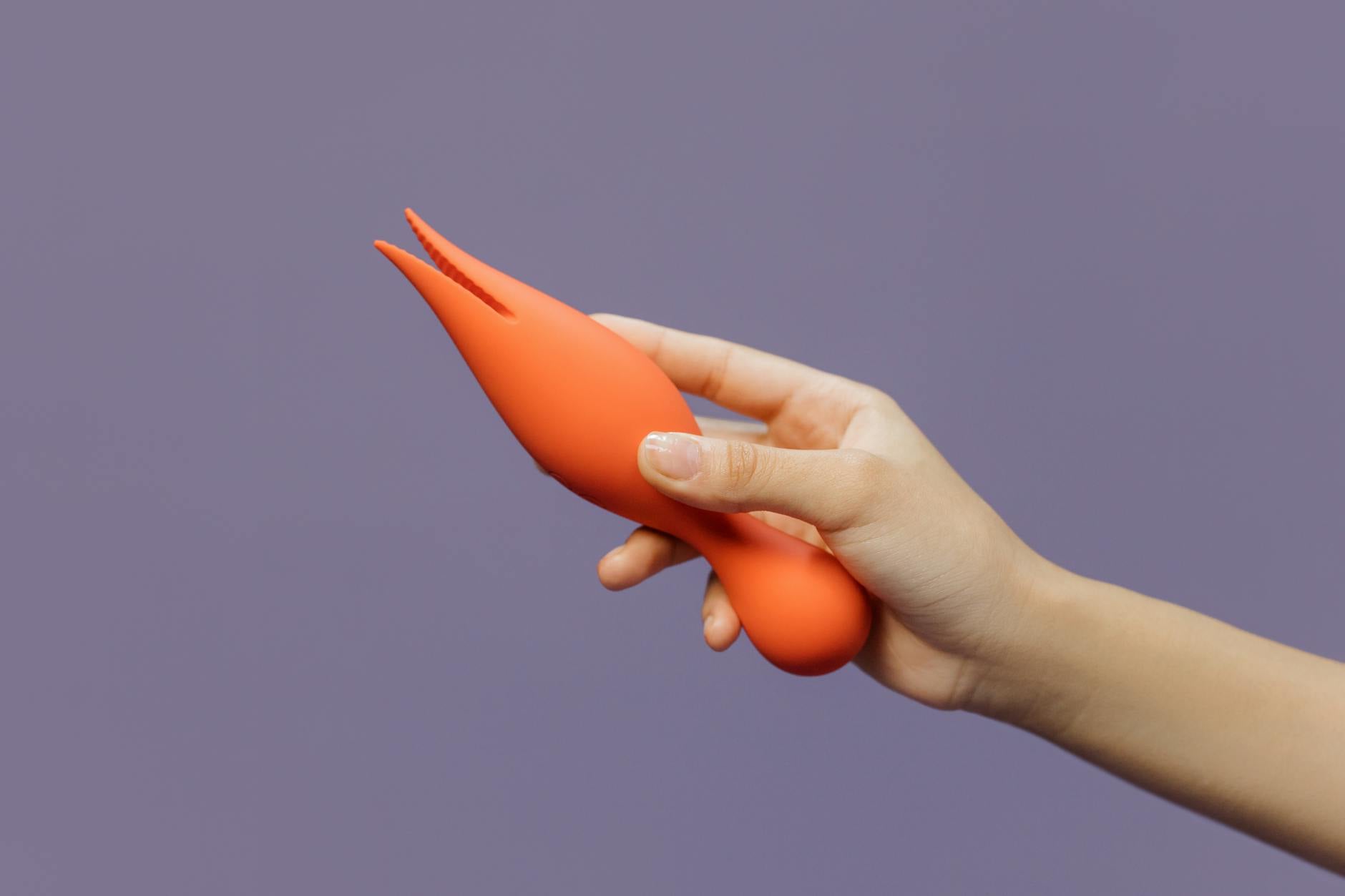
Here's the thing about desire mismatch
One of you wants sex three times a week. The other wants it once. Nobody's broken. Nobody's wrong. But the gap between those two numbers can feel like a canyon, especially when you're the person saying no more often than yes.
The real problem isn't the frequency difference itself. It's the guilt, the resentment that builds, and the pressure that turns "I don't want sex tonight" into "I don't want sex with you."
Why mismatched desire happens (and it's not what you think)
People assume desire mismatch is about one person not loving the other enough. Wrong. It's usually about three separate things that have nothing to do with love:
Biological desire cycles. If you have a vulva, your arousal naturally peaks mid-cycle. If you're on hormonal birth control, your natural peaks are flattened entirely. If your partner has a penis and testosterone, their baseline arousal hum is literally running at a different frequency. This isn't a choice either of you made.
Responsive vs. spontaneous arousal. Some people wake up horny every morning. Others need context, touch, or mental space to want sex. One isn't better. They're just different patterns. Many long-term couples discover one partner is spontaneously driven while the other needs to be approached or has arousal that builds during foreplay. Neither is a flaw.
Stress and load. The person wanting sex less is often carrying more mental load, more household management, more emotional labor. Your nervous system is stuck in anticipation mode. Desire is one of the first things to go when your brain is still running a to-do list at midnight.
The pressure trap and why lemon vibrators help
Here's where lemon sexual toys enter the picture. When you're the lower-desire partner, you're already anxious about disappointing your partner. You might start saying yes to sex out of obligation, which trains your body that sex isn't something you choose.for yourself. It becomes something that happens to you.
Lemon clitoral vibrators flip that. When you use a lemon sucker on your own time, you're decoupling arousal from your partner's rhythm. You're reminding your body what pleasure feels like without an audience, without pressure, without the clock running.
Then something shifts. Once you've had a few solo sessions with the Lem and rediscovered what turns you on, partnered sex stops feeling like a favor you're doing. It becomes something you actually want.
How to use lemon vibrators when the pressure is real
Five concrete steps:
1. Have the conversation before you reach for the toy. Tell your partner something like: "I want to rebuild my own arousal. I'm going to spend some time exploring what feels good to me when there's no pressure. This isn't instead of us. It's so I can come to you actually wanting it, not just agreeing to it."
If your partner takes this personally, that's a separate conversation. You're not rejecting them. You're protecting the relationship by refusing to build resentment.
2. Schedule solo time without shame. Not hidden away, just... your time. Maybe it's Sunday morning, maybe it's Wednesday night. Consistency helps your body know when to expect arousal.
3. Start with the Lem on lower settings. The suction mode on a lemon vibrator is gentler than vibration. Your nervous system is already in mild fight-or-flight around sex right now. Lower intensity lets your brain actually relax into sensation.
4. Notice what context helps. Do you need quiet, music, darkness, a specific fantasy, no fantasy at all? Are you aroused in the morning but not at night? After exercise? After a shower? After your partner leaves the house? This data matters. It tells you what conditions your body actually needs for desire to show up.
5. Share one small discovery with your partner. Not a full report. But something like: "I actually like it better when I've had a cup of coffee first. My body wakes up faster." This keeps your partner informed without making your pleasure their project.
The bridge conversation
Once you've had a few solo sessions and you're remembering what arousal feels like, the next step is rebuilding partnered sex that works for both of you.
This means renegotiating frequency. Maybe it's 2x a week instead of 3, or 1.5 if you alternate weeks. But the key is that you're both getting something you actually want, not one person settling and the other person always feeling rejected.
It also means changing what "sex" looks like. If full intercourse feels heavy, start with touch. Massage. Manual stimulation. Use the lemon vibrator together sometimes. Let your partner watch. Some lower-desire partners find it's easier to be present when they're exploring their own body at the same time.
When the gap is really big
If the frequency mismatch is extreme (one person wanting daily sex, the other wanting it once a month), that might point to something else: past trauma, medical issues, deep resentment about the relationship, or fundamentally incompatible drive.
In those cases, a lemon clitoral vibrator helps, but it's not the whole answer. You might need a couples therapist who understands desire discrepancy, or a sex therapist who can assess whether there's a medical component. Some gaps can be bridged. Some mean the relationship itself needs an honest conversation about compatibility.
The solo pleasure permission slip
Here's what I want you to hear: your arousal belongs to you first. Not your partner. Not your relationship. You.
Using a lemon vibrator when your desire doesn't match your partner's isn't selfish. It's the opposite. It's you doing the work to show up as a whole person, not a guilty apologizer. Your partner gets a partner who sometimes wants them, not a partner who resents them.
That's worth the conversation. That's worth carving out the time. That's worth learning what your body actually wants.
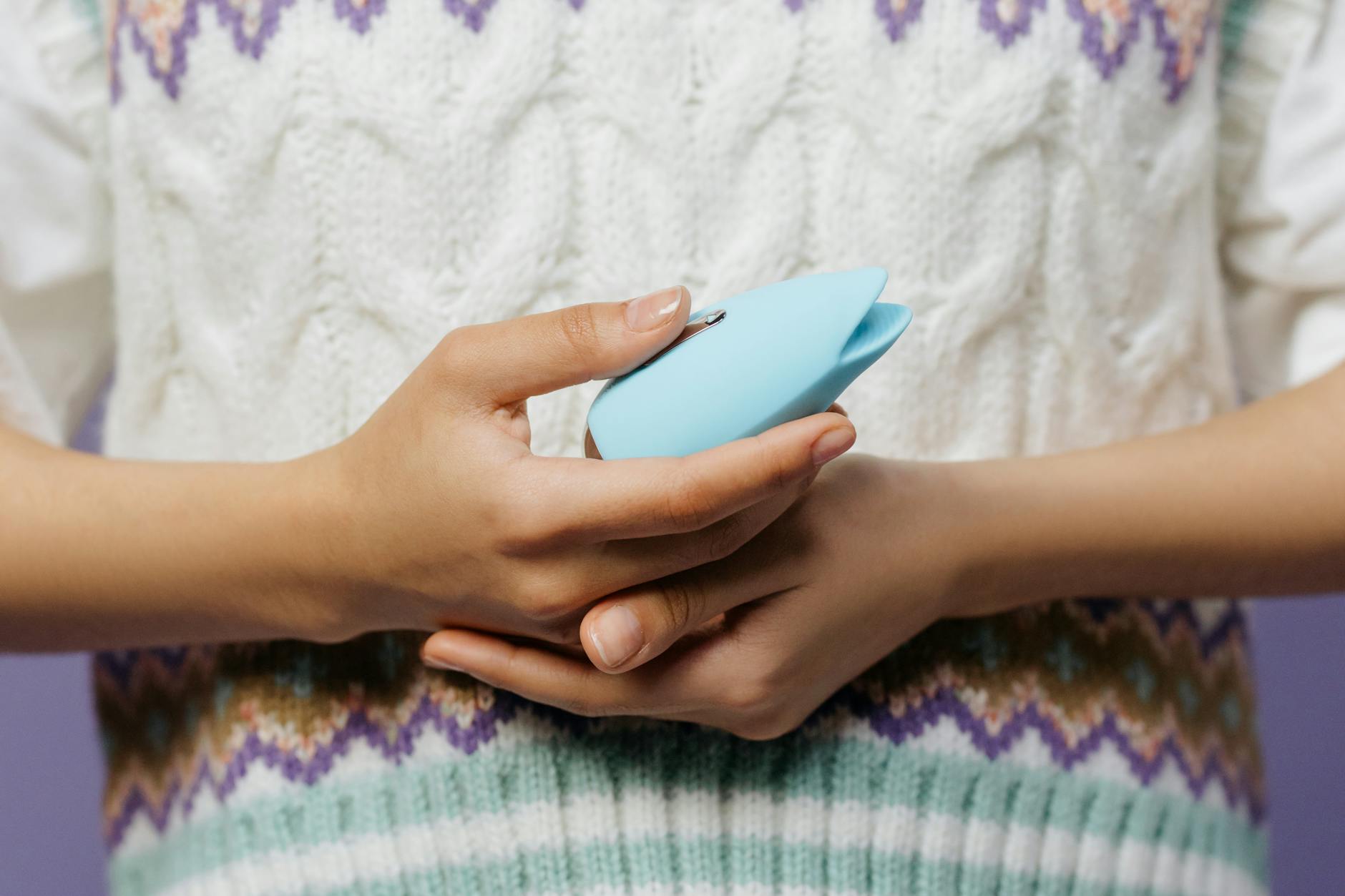
Photo by cottonbro studio on Pexels
FAQ: Desire mismatch and lemon clitoral vibrators
What if my partner feels threatened by me using a vibrator?
That's a common worry, and it deserves a direct conversation. Many partners worry it means they're not "enough." The truth is a lemon vibrator is a tool for your arousal, not a replacement for your partner. It's like saying a toothbrush threatens your dentist. You might reframe it: "This helps me want you more, because I'm not resentful about having sex I didn't actually want." If your partner remains threatened, that might be worth exploring with a couples therapist, because it points to something deeper about insecurity or control.
How often should I use a lemon sucker if I'm the lower-desire partner?
Start with once a week. That gives you a baseline for what arousal feels like. After a few sessions, you can adjust based on what your body is asking for. There's no "right" frequency. Some weeks you'll want it three times, some weeks once. Listen to your actual body, not what you think you should want.
Can lemon vibrators actually increase desire, or just pleasure?
They can do both, but here's the nuance. A lemon clitoral vibrator doesn't chemically increase your baseline drive. But it does three things: it reminds your body what pleasure feels like (which combats the shutdown that happens under pressure), it gives you data about what contexts help you get aroused, and it breaks the resentment loop. Once you're not resentful about sex, desire often naturally increases. Not to match your partner's, necessarily, but enough that you both feel less stuck.
What if I feel pressure to perform for my partner even with the vibrator?
That's a sign the problem isn't the tool. It's that the dynamic itself is still shame-based. If you're using a lemon vibrator because you feel obligated to improve your desire for your partner, rather than because you want to explore your own pleasure, the pressure is still there. Start by using it only when you genuinely want to. If you can't access that permission, a therapist might help more than a vibrator will.
Is it normal that my partner wants more sex after I start using a vibrator?
Some partners find it hot. Some partners feel reconnected when you're more present during sex. Some partners want sex more because they can feel you're actually engaged instead of tolerating it. That's all pretty normal. What matters is whether the increase feels collaborative or demanding. If your partner is pressuring you to have more sex because you proved you "could" want it, that's a red flag.
Should I hide my lemon vibrator use from my partner?
Not ideally. Secrecy is different from privacy. Privacy means you don't narrate every moment. Secrecy means you'd be ashamed if they knew. If you'd be genuinely ashamed, that might be worth sitting with. What would that shame be about? If it's "I don't want them to feel threatened," that's different from "I feel like I'm doing something wrong." One is considerate. The other might be a sign that you're internalizing their shame, which isn't healthy for either of you.
What bridges the gap most effectively
The lemon vibrator is the tool. But the real work is the conversation. It's saying out loud: "My desire is different from yours, and that doesn't mean I don't love you." It's your partner hearing that and believing it instead of making it mean they're failing. It's both of you deciding that pleasure matters more than matching numbers on a frequency chart.
That's the real reconnection. The vibrator just helps you get there.
If you're ready to explore your own arousal without pressure, check out our buying guide or reach out to get personalized recommendations.
Sources
- Meston, C. M., & Frohlich, P. F. (2000). "The neurobiology of sexual function." Archives of General Psychiatry, 57(11).
- Basson, R. (2001). "Human sex-response cycles." The Journal of Clinical Psychiatry, 62(6).
- Gottman, J. M., & Silver, N. (2015). "The Seven Principles for Making Marriage Work."
- McCarthy, B. W., & Wald, L. M. (2015). "Discrepancies in sexual desire: What do they mean?" Journal of Family Psychotherapy, 26(1).