The neurochemical wall between you and arousal
Let's be real. Anxiety doesn't just make you feel worried. It actually rewires how your brain processes pleasure signals. When your nervous system is stuck in fight-or-flight mode, the prefrontal cortex (the part that approves arousal) goes offline, and your amygdala (the alarm system) takes over instead. You're not broken. Your brain is protecting you from a threat it thinks is real.
The frustrating part? Knowing you want arousal and feeling your body refuse to cooperate anyway.
Why standard vibrators might not cut it when you're anxious
Most vibrators demand immediate response. They buzz, they escalate, they expect your body to follow along quickly. When anxiety is in the mix, your arousal curve doesn't cooperate with that pace. You need something different. Something gentler to begin with, but capable of building intensity in a way that doesn't feel jarring or desperate.
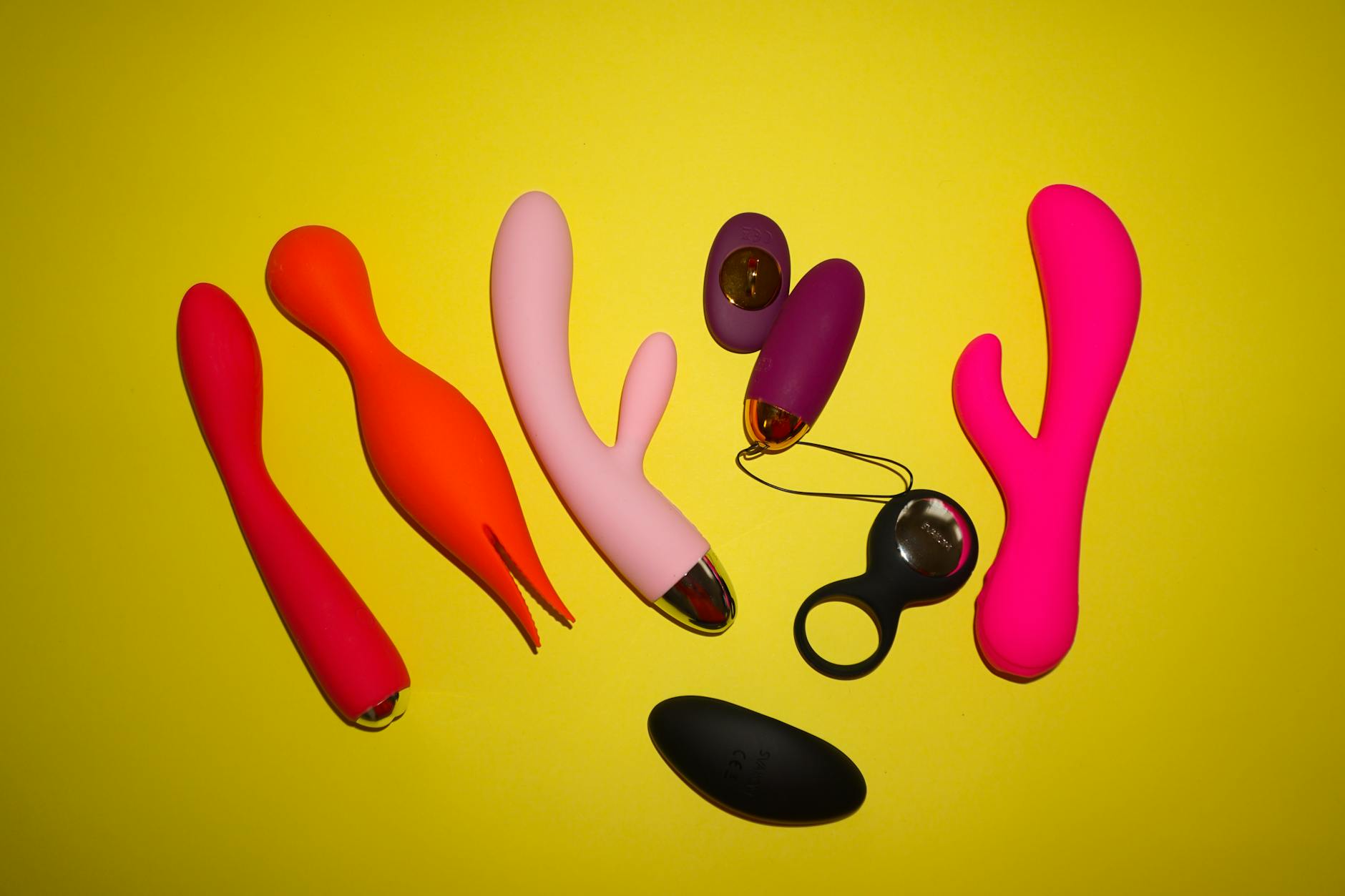
Lemon clitoral vibrators like the Lem work differently from standard vibrators. The suction-based technology mimics the sensation of being gently drawn toward pleasure rather than vibrated into it. That distinction matters wildly when your nervous system is already activated by stress.
The three stages of anxiety-aware arousal
Stage One: Nervous system downregulation
Before you even think about pleasure, you need to signal safety to your body. This takes 5 to 15 minutes depending on how activated you are. Sit somewhere comfortable. Dimmed lights help. Some people need music, others need silence. The point is environmental consistency. Your amygdala notices when things feel predictable and slowly backs off.
Don't pick up the lemon vibrator yet. Your nervous system needs to register that this is play, not performance.
Stage Two: Micro-arousal building
Once you feel that shift (a softening in your shoulders, a slight lowering of your jaw, easier breathing), then you can introduce sensation. Start the Lem on the lowest setting. The suction at pattern 1 feels less aggressive than most vibrations. It's an invitation, not a demand.
Use this phase to check in with sensation without pressure. Can you feel the difference between your inner thigh and your vulva? Are you noticing texture at all? This is data gathering, not performance. Spend 10 to 15 minutes here, letting your nervous system learn that sensation equals safety, not obligation.
Stage Three: Intention building
As your body begins to respond (natural lubrication, warmth, that subtle shift in your breathing), you can gently increase intensity. Move from pattern 2 to pattern 3. Pause between changes. Notice what your body does when you pause. Does it want more, or does it need to integrate what's happening?
This is where the lemon vibrator's design becomes crucial. It offers graduated intensity instead of an on-off switch, which means you can match the vibrator to your arousal as it emerges rather than chasing a preset rhythm.
Timing matters more than technique when anxiety is present
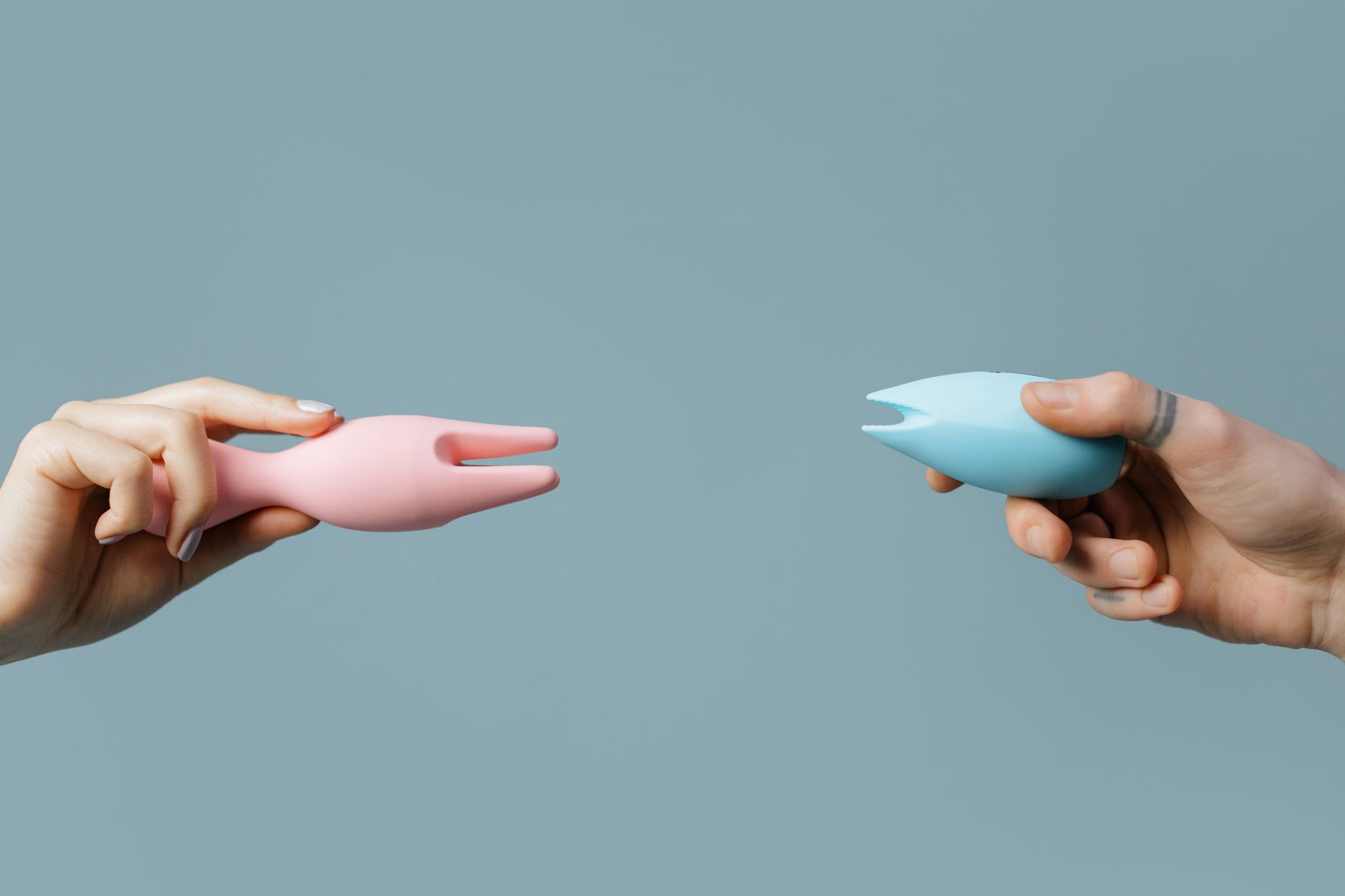
Photo by cottonbro studio on Pexels
Here's what I see over and over: people with anxiety think they need a better technique or a more powerful toy. What they actually need is time and consistency. Your body learns that arousal is safe when it happens in the same context, at the same time, with the same lack of interruption.
Try scheduling 30 minutes three times a week where you know you won't be interrupted. Not because pleasure should be regimented (it shouldn't), but because your nervous system learns faster when patterns repeat. After a few weeks, your body will recognize the setup and begin to downregulate more quickly on its own.
The lemon vibrator becomes a signal to your brain: we've done this before safely. It speeds up the process of getting from anxious to aroused.
The partner conversation, if there is one
If you're working with a partner, they need to understand that this isn't about them or about desire. Anxiety-blocked arousal is a nervous system issue, not a rejection issue. The conversation that helps: "I want to rebuild my capacity for pleasure, and I need some solo time with a lemon vibrator to practice being aroused without pressure. This is for us, ultimately."
Most partners can understand that framework. It reframes the practice as relationship work instead of something separate from the relationship.
If your partner wants to be involved eventually, the timing matters. Only introduce them into the practice once you've rebuilt your own arousal pathway. That usually takes 4 to 6 weeks of consistent practice. Then they can be present without being the focal point.
When to bring in other tools
Lube matters more when anxiety is involved because one of anxiety's side effects is reduced natural lubrication. Use a water-based lube generously. It removes friction, which removes one more potential source of performance pressure.
Some people find that grounding techniques before play help the nervous system settle faster. Try the 5-4-3-2-1 method: notice five things you see, four you can touch, three you hear, two you smell, one you taste. It pulls your brain out of anticipatory anxiety and into present sensation.
Breathing also matters. Most anxious people hold their breath during arousal, which keeps the nervous system activated. Practice exhaling longer than you inhale (4 counts in, 6 counts out). It signals the parasympathetic nervous system to activate. Do this for 2 to 3 minutes before using the lemon vibrator.
What progress actually looks like
Don't measure success by whether you orgasm. Orgasm when anxiety is present often doesn't happen the first dozen times, and chasing it keeps you anxious. Success looks like: easier breathing, warmth building, a shift from "am I doing this right" to "oh, that feels good." Smaller wins. Biological ones.
After consistent practice, you'll notice the warm-up time shortens. What took 20 minutes in week one takes 12 minutes by week six. Your nervous system is learning. The lemon vibrator is helping it practice that learning over and over.
The long view
Anxiety blocks arousal, but it doesn't end it. The pathways are still there. They're just buried under a layer of protective activation. Using a lemon vibrator with awareness of your nervous system isn't about forcing pleasure. It's about creating the conditions where your body remembers how to respond on its own. Eventually, you won't need the same setup every time. But you'll always know how to rebuild access when you need to.
If your anxiety is severe or accompanied by panic, talk to a therapist before diving into this practice. Sometimes the nervous system needs more support than technique can provide. But for most people, the combination of environmental consistency, graduated sensation, and the design of a lemon clitoral vibrator creates the right conditions for arousal to return.
People also ask
How long does it take to rebuild arousal when anxiety has blocked it?
Most people notice measurable shifts in 4 to 6 weeks of consistent practice. That means using your lemon vibrator three times a week in the same environment, with the same preparation. Some people see changes sooner. Others need 8 to 12 weeks. The timeline depends on how long anxiety has been blocking arousal and whether you're addressing the underlying stress too. Therapy alongside this practice speeds things up.
Can anxiety medication affect how lemon vibrators feel?
Yes. SSRIs and some anti-anxiety medications can reduce sensation or delay arousal. If you've recently started medication and notice a change, talk to your prescriber before changing anything. That said, many people find that the right medication plus consistent practice with a lemon vibrator actually restores pleasure faster than either approach alone because the medication reduces the baseline anxiety while the vibrator retrains the arousal response.
What if my partner gets anxious when I use a vibrator alone?
That's a separate conversation from the arousal work itself. It usually means your partner has their own anxiety about what solo play means for the relationship. Before you give up the practice, have an honest talk about what you both need. Some couples find that reassurance helps. Others find that a couples therapist speeds up the process of understanding each other's needs. The vibrator itself isn't the problem. The underlying worry is.
Can I use a lemon vibrator during sex if anxiety is blocking arousal?
Yes, but only if you've already practiced alone first. Solo practice teaches your nervous system what safety feels like. Once you know that, you can introduce the lemon vibrator into partnered sex. Most people find that doing so actually reduces performance anxiety because the vibrator takes the pressure off them to respond in a particular way. Your partner sees you enjoying sensation, and it shifts the whole dynamic.
Is it normal to need the vibrator every time once you start using it?
No. The practice is about retraining your arousal response, not creating dependence. After a few months of consistent use, many people find they need the vibrator less often or for shorter periods. Some people continue using it because it feels good, not because they can't access pleasure without it. Either way is fine. The goal is that arousal becomes available to you again, however you access it.
How do I know if my anxiety is severe enough to need therapy instead of just a vibrator?
If anxiety is keeping you from leaving your house, interrupting sleep regularly, or making you feel unsafe in your own body, talking to a therapist first is smart. A lemon vibrator is a tool for rebuilding arousal when anxiety is situational (life stress, relationship conflict, performance pressure). But if anxiety is a baseline disorder, therapy and possibly medication will help the vibrator work better. Think of it this way: you wouldn't try to do physical therapy on a broken leg without setting the bone first. Same logic applies here.