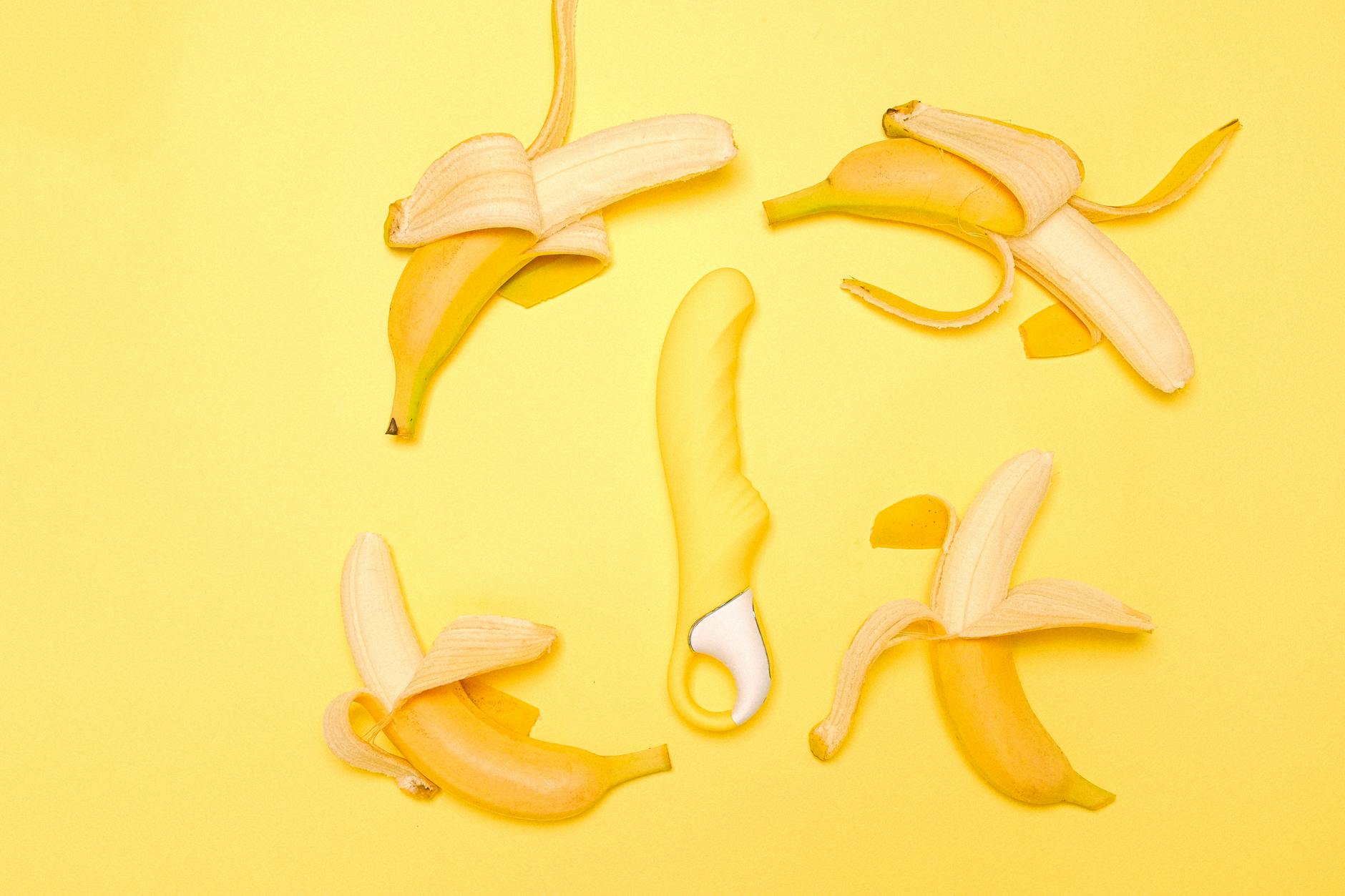
When pelvic pain takes pleasure off the table
Let's start here: if you're recovering from pelvic pain, endometriosis, pelvic floor dysfunction, or any condition that's made intimacy feel unsafe, the assumption that pleasure is somehow gone is wrong. Your body hasn't forgotten how to feel good. It's just learned to protect itself. And honestly, that's a rational response to pain.
But protection and pleasure aren't mutually exclusive. They can coexist, and they often do once you know how to approach them thoughtfully. This is where lemon vibrators, specifically their air-suction design, become genuinely useful during recovery.
Why pelvic pain changes everything (and why recovery is possible)
Pelvic pain doesn't just affect the tissue. It rewires your nervous system. Your brain learns that this area is a threat. Touch that would normally feel pleasurable registers as dangerous. That's not psychological weakness. That's your nervous system doing its job too well.
Muscle guarding happens automatically. Your pelvic floor contracts. Lubrication decreases because arousal feels risky. Even thinking about pleasure can trigger tension. The cycle reinforces itself.
What breaks the cycle is gentle, gradual, predictable sensation that proves to your nervous system: this is safe.
Lemon clitoral vibrators work here because air-suction technology doesn't require penetration or direct pressure on sensitive internal tissue. You're stimulating the clitoris, which has its own nerve pathway and doesn't involve the deeper pelvic muscles that are often holding tension. That separation matters enormously during recovery.
The nervous system piece: why suction works better than vibration for healing
Standard vibrators apply direct pressure. For someone whose nervous system is in protective mode around pelvic sensation, that pressure can feel like a threat, even if intellectually you know it's not.
Air-suction technology like the Lem works differently. It creates a rhythmic pulse and lift sensation rather than a push-down vibration. For many people recovering from pelvic pain, this feels less invasive. It engages the clitoral nerves without involving the deeper muscles that are guarding.
There's also a psychological element: the sensation is completely novel. Your nervous system hasn't learned to brace against it yet because it's different from the touch that caused pain. That novelty can actually be therapeutic during recovery.
Starting out: the gradual reintroduction protocol
If you're newly cleared by your physical therapist or doctor to explore sensation, this is the timeline I recommend:
Week 1-2: External exploration, zero pressure. Hold the Lem near your body without turning it on. Let your nervous system get used to its presence. Notice your breathing. Are you holding tension? That's information, not failure.
Week 3-4: Gentle touch with the device off. Light, slow strokes with the Lem on the lowest setting (usually pattern 1) on the outer clitoral area. No penetration, no intensity. Five to ten minutes max. Stop if you feel any discomfort. Rest days matter as much as active days.
Week 5-6: Patterns 1-2, short sessions. Gradually move to slightly higher patterns if the lower ones feel stable. Pay attention to how your pelvic floor feels afterward. Mild arousal is fine. Cramping or tension afterward means you went too far.
Week 7+: Expand as your body allows. Some people move into longer sessions and higher patterns. Others stay at their comfortable level for months. Both are completely fine. You're not being measured against anyone else's timeline.
The emotional work underneath the physical
Here's something that often gets skipped: the grief and anger around pelvic pain are real, and they live in your body the same way the pain does.
For many people, pelvic pain means months or years without partnered sex, or without masturbation, or without any sexual touch at all. Reclaiming pleasure isn't just physical. It's also about processing what you lost and deciding you deserve to have it back.
If you're working with a partner during this recovery, this emotional layer matters. Your partner might interpret your hesitation as rejection. You might interpret their patience as pity. These conversations are separate from the physical exploration, and they need air time.
If you're recovering solo, the work is different but equally important: you're negotiating with yourself about whether you deserve pleasure, whether your body is trustworthy, whether healing is actually possible. Sometimes using a lemon clitoral vibrator is partly about proving to yourself that the answer to all three is yes.
The things that help alongside the lemon vibrator
Physical tool isn't the only piece. A few other things matter:
Pelvic floor relaxation, not just strength. Kegels get all the press, but if you're in pain, you often need the opposite. Learning to fully relax your pelvic floor is harder than clenching it. Breathing work and intentional releasing help. Some people work with a pelvic floor physical therapist who specializes in this.
Lubrication as routine, not failure. Water-based lube applied generously isn't a sign something's wrong. It's a tool that reduces friction and makes sensation feel safer. Use it every time, even for solo exploration with the Lem.
Your own pace. The timeline I outlined above is a suggestion, not a prescription. Some people move faster. Some need months at each stage. Both are normal. Your body gets to decide.
Partner communication if relevant. If you're with someone, they need to know what you're doing and why. They need permission to step back if you need space. You need permission to ask for specific kinds of touch or no touch at all. This sounds clinical, but it's actually the thing that keeps resentment out of the bedroom.
When to involve a professional
If you're several months into gentle exploration and sensation still feels blocked, talk to your doctor or a pelvic floor physical therapist. Sometimes pain needs treatment beyond gradual exposure: topical anesthetics for a period of healing, hormone therapy, or other medical approaches.
If the emotional weight is significant—if using the lemon vibrator brings up trauma memories, shame spirals, or panic—a sex therapist or trauma-informed therapist can help you process that alongside the physical recovery. These professionals exist for exactly this reason.
The part nobody talks about: pleasure returning gradually
Here's something I wish someone had told me when I was helping clients through this: pleasure doesn't usually roar back. It sneaks back.
You might notice one day that your breathing changed when you used the Lem. Or that you felt a flutter of something that might have been arousal. Or that you thought about sex without immediately bracing. These tiny shifts accumulate. They're not nothing.
Some people find that their capacity for pleasure is actually different on the other side of pelvic pain. Maybe their orgasms feel different. Maybe their arousal pattern shifted. Maybe they want touch more or less frequently than before. That's okay. You don't have to return to exactly what was. You just have to reclaim what matters to you now.
FAQs
Can I use lemon vibrators if I have active pelvic pain?
No, not safely. Wait until your doctor or physical therapist clears you. Using a vibrator on active pain can reinforce the nervous system's protective response and make recovery harder. Timing matters more than the tool.
How do lemon clitoral vibrators differ from regular vibrators for pelvic pain recovery?
Air-suction technology creates a gentler, more rhythmic sensation that doesn't involve direct downward pressure. For nervous systems in protective mode, this often feels less threatening. That said, every body is different. Some people recover fine with standard vibrators on the lowest setting. The key is starting low and going slow regardless of the tool.
What if the sensation feels numb even with the Lem on higher patterns?
Numbness during early recovery is common. Your nervous system is still downregulating pleasure signals as a protective measure. This usually resolves as you use the tool consistently and your system learns that sensation is safe. If numbness persists for months, mention it to your doctor. Sometimes it signals something that needs medical attention.
Should my partner be involved in using a lemon vibrator during recovery?
That's entirely your call. Some people want solo time to rebuild trust with their own body first. Some want a partner present but not touching. Some eventually move toward partnered use. There's no right answer, only what feels safe to you.
How long does pelvic pain recovery take?
This varies wildly depending on the cause, severity, and whether you're getting professional support. Some people recover in weeks. Some take months or years. The timeline isn't linear. You'll have good weeks and setback weeks. Patience with yourself isn't optional. It's the foundation of actual healing.
Can I return to regular sex while still using lemon vibrators for recovery?
Yes, and many people do. Some find that building confidence with a tool like the Lem actually makes the transition back to partnered intimacy smoother. But communication with your partner about what's comfortable is essential. They need to know what you're recovering from and what you need during sex.
Recovery from pelvic pain is slow, nonlinear work. But it's real work, and it leads somewhere worth going. Your pleasure isn't gone. It's just waiting for you to approach it carefully, with tools and timing that honor where your body actually is.