
The pressure trap is real, and it kills arousal dead
Let's be real. You're supposed to want sex. Your partner wants it. The culture assumes you want it. The messaging is so loud that when you don't, it feels like failure instead of information. Pressure to want sex is one of the fastest ways to guarantee you won't feel any desire at all. And then the shame arrives. Then the resentment. Then the whole thing becomes a problem you have to solve instead of a source of connection.
I've sat across from hundreds of people in this exact position. The pattern is always the same: external expectation kills internal desire. And the harder you try to manufacture the desire to meet that expectation, the further it runs.
Here's what nobody tells you. Using a lemon vibrator when you're feeling pressured isn't about performing for anyone else. It's about reclaiming your body as your own territory. It's about separating what you're supposed to feel from what you actually feel. And then, surprisingly often, rebuilding genuine desire.
Why pressure and arousal can't occupy the same space
When you feel obligated to want sex, your nervous system reads the situation as a threat, not an invitation. Your body tightens. Your mind goes elsewhere. Your clitoris doesn't care about obligation. It responds to safety, novelty, and genuine desire. Pressure does the opposite. It's the neurological equivalent of trying to relax by being told to relax.
There's also a second layer happening. When desire is expected of you, you stop listening to your own actual wants. You get very good at scanning for what someone else needs and adjusting accordingly. Over time, that skill becomes so practiced that you lose access to your own signals entirely. You don't know what you want because you've spent so long tracking what's wanted from you.
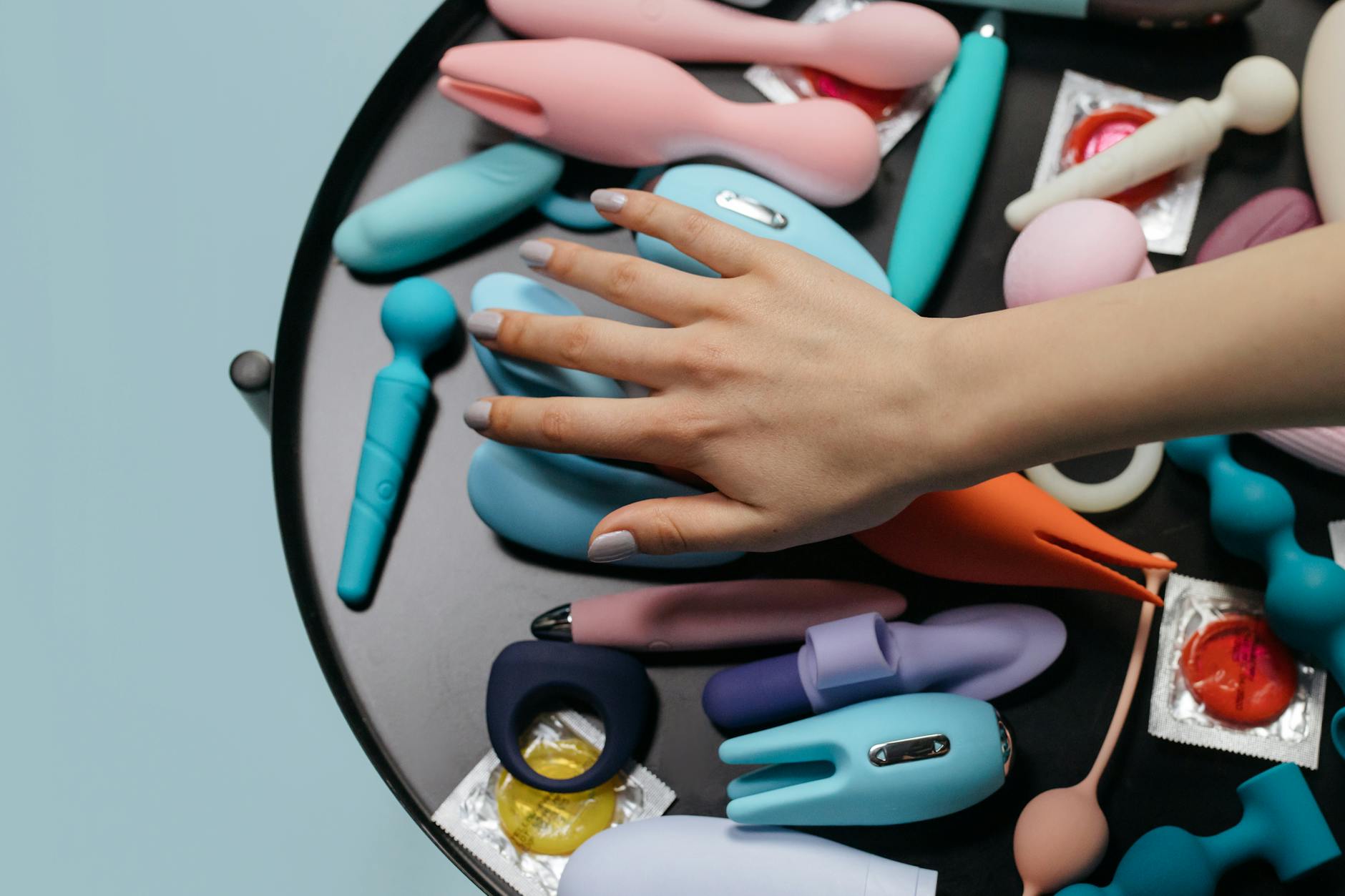
Photo by cottonbro studio on Pexels
This is where exploring pleasure solo becomes not selfish, but necessary. When you use a lemon clitoral vibrator alone, there's no one to perform for. There's no obligation to reach a certain outcome. There's no timeline. You're not trying to want it. You're just finding out what actually feels good to you, on your body, at your pace.
The difference between obligation sex and chosen pleasure
Obligatory sex often comes with a specific shape. There's a beginning, a middle, a goal. Someone initiates. You respond. You try to keep up. You wait for permission to finish or for it to be over. The experience belongs to the dynamic, not to you.
Chosen pleasure is its own animal. When you're using a lemon vibrator for yourself, there's no "should." There's no performance. You're not trying to prove you want it. You're finding out what actually turns you on. What rhythm works. What sensation makes your body wake up. What your pleasure actually wants to happen.
That distinction matters because once you know what you actually want, you can bring that information back into partnered sex. Not as obligation. Not as "I'm doing this because I feel guilty." As "I know what I like now, and I'm choosing to share it with you."
How to use a lemon vibrator to rebuild your own desire
Start with this foundation: you're not doing this to fix yourself or to become a better sexual partner. You're doing this because your pleasure belongs to you, and you deserve to know what that feels like. That's not selfish. That's essential.
Set aside time when there's genuinely no pressure. Not "we're both home." Not "after the kids are asleep and I might still have energy." Actual time. Twenty minutes minimum. This is important because your body needs to believe that nothing else is being asked of you.
When you start, forget everything you think you know about how this should go. Don't hunt for an orgasm. That's just another goal, another performance. Instead, pay attention. What setting on the Lem feels good right now? Is it the intensity, or the pattern? Does it change after two minutes? Can you feel the difference between your expectation of pleasure and your actual sensation? That gap is where real information lives.
Most people discover that when there's no pressure, when they're not trying to reach an outcome, when they're just paying attention to sensation, their body starts responding differently. Not because anything changed externally. Because the nervous system relaxed.
The conversation you need to have with your partner
Eventually, you'll want to tell them. And the conversation needs to be careful and specific. This is not "I'm using a vibrator because you're not doing it right." This is "I realized I've lost touch with what I actually want. I'm using this time to find out." Those are completely different conversations.
Your partner might feel threatened. That's a separate issue that deserves a separate conversation. Right now, the conversation is about your own agency. About the fact that you can't consent to sex you don't want, and you can't want sex while feeling obligated. Those aren't compatible.
Many partners actually feel relieved. Because if you're only having sex out of obligation, neither of you is having good sex. You're both lonely in the same room. Once you have access to your own desire again, the whole dynamic shifts. Then you can choose to include them or not.
When you're ready to integrate pleasure back into partnership
This is the part that surprises people. Once you've rebuilt your own pleasure, once you know what actually turns you on, partnered sex often gets better without either of you doing anything different. Because you're not performing. You're not trying to want it. You're actually, genuinely engaged.
You might discover that the pressure came from a mismatch in desire timing. Your partner wants sex in the morning. You actually want it on Sunday afternoons. Now you know. You can work with that. You might find that you want a lemon vibrator involved sometimes, and sometimes you don't. You get to decide that.
You might also discover that once the pressure is gone, your desire genuinely returns. Not because anything magical happened. Because your body finally has permission to listen to itself again.
The thing about using a clitoral vibrator when you're under pressure is that it's not a toy. It's a boundary. It's you telling yourself and everyone else that your pleasure is not something to be negotiated. It's not something to be performed. It's yours. And that changes everything.
FAQ
What if I feel guilty using a lemon vibrator alone when my partner wants partnered sex?
Guilty often means you've internalized the idea that your body belongs to the dynamic instead of to you. That's the message that created the pressure in the first place. Your pleasure is not a resource your partner is entitled to. Time alone with yourself is not time stolen from them. It's time you're investing in knowing yourself, which actually benefits both of you. The guilt is worth examining. It's usually pointing to a boundary that needs work.
Can using a lemon clitoral vibrator solo make me want my partner less?
Actually, the opposite. When you're faking desire or performing obligation, you build resentment. When you have actual desire, even if it's just for yourself, the resentment often drops. You're not giving from an empty tank anymore. You might find you have more genuine interest in partnered sex, not less. The difference is that it's real, not obligatory.
How do I tell my partner I'm using a vibrator because I feel pressured by them?
Carefully and specifically. Avoid "you make me feel pressured." Try "I realized I've been saying yes to sex when I don't actually want it. I need some time to figure out what I actually want, separate from what I think I should want." That's about you, not about them. If they respond defensively, that's useful information about what conversations need to happen in your relationship.
What if exploring solo pleasure makes me realize I don't actually want sex with my partner?
That's possible and it's okay. Sometimes the pressure was covering up the fact that the relationship isn't meeting you. Sometimes it's just that you need a reset. Either way, you can't move forward with real information until you know what you actually want. That information might be uncomfortable. It's still better than staying in obligation.
Does using a lemon vibrator when you're not in the mood count as self-care?
It depends on the motivation. If you're using it to escape pressure or to manufacture desire you don't have, it's avoidance. If you're using it to listen to your body and reclaim your own pleasure, it's absolutely self-care. The difference is whether you're doing it for yourself or for someone else's benefit. Check your intention. Your body will know the difference.
How long does it usually take to rebuild desire after feeling pressured?
There's no timeline. Some people reconnect with their own pleasure in weeks. Others take months. It depends on how long you've been operating under pressure and how much resentment has built up. Be patient with yourself. This isn't about speed. It's about genuinely coming back into your body and your choice.