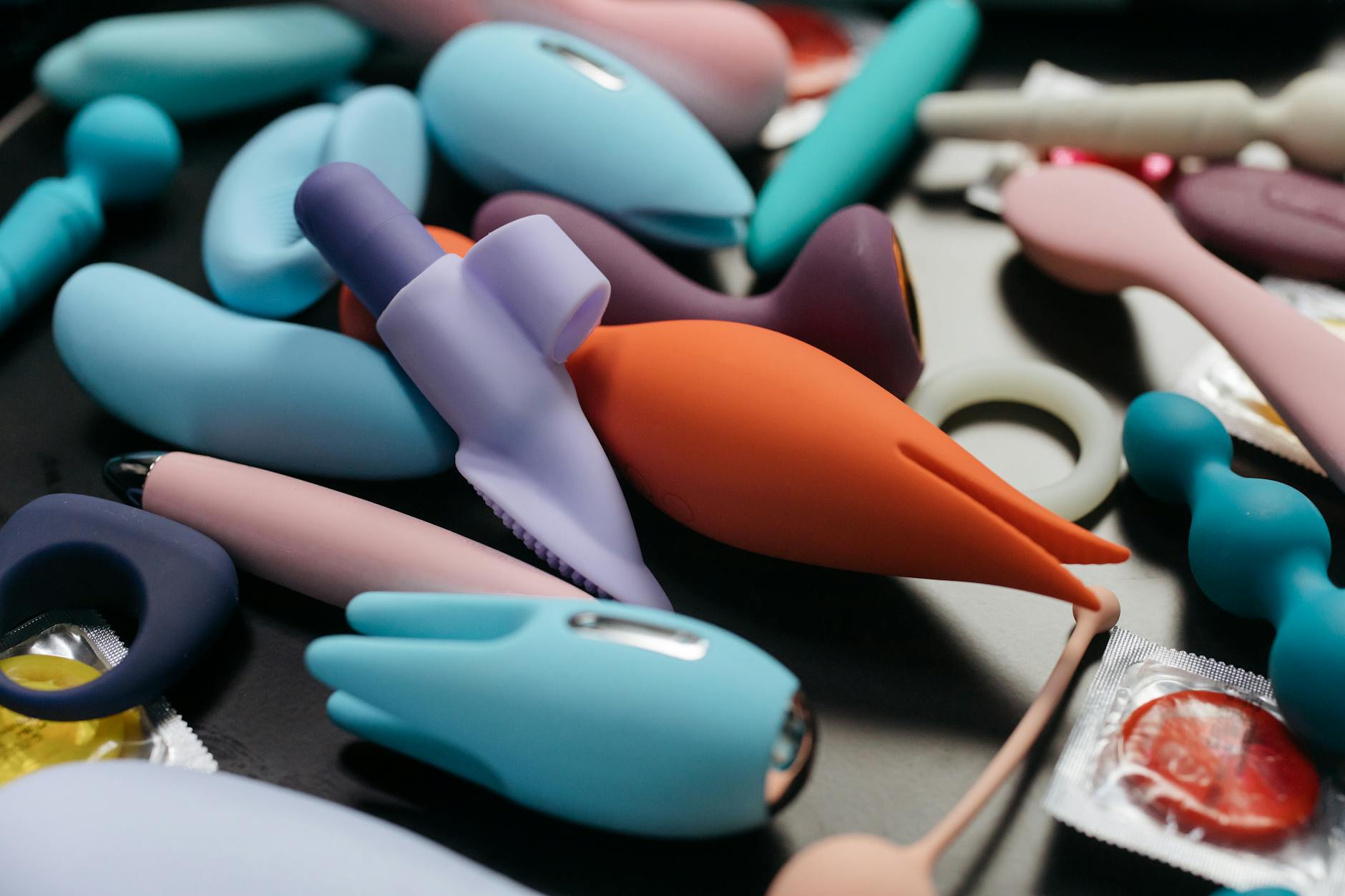
Here's the thing about divorce and pleasure
Divorce doesn't just end a marriage. It interrupts your relationship with your own body. For years, maybe decades, pleasure existed in the context of someone else's schedule, someone else's needs, someone else's presence. Even if that relationship was good, your body learned to wait. To pause. To show up on cue. Now you're alone, and your nervous system doesn't quite know what to do with that space.
That's normal. And it's not permanent.
I work with many clients rebuilding after divorce, and the conversation usually starts the same way: "I don't know how to want things for myself anymore." The good news is that rediscovering solo pleasure is learnable. A lemon clitoral vibrator like the Lem can be a surprisingly honest tool for that learning because it requires you to pay attention to what actually feels good, not what you think should feel good.
Why pleasure after divorce feels different
There's a physical component and an emotional one, and they're worth separating.
Physically, years of partnered sex can shift your arousal rhythm. Your body learned to respond on someone else's timeline. You might have rushed climax to match their pace, or delayed your own pleasure to align with theirs. You might have gotten used to a particular style or pressure that worked for the partnership but wasn't necessarily what your body wanted first.
Emotionally, divorce often brings grief into the bedroom with you, even if the relationship needed to end. There's loss. There's old patterns your nervous system still expects. There might be shame or anger that lives in your pelvis. You might feel guilty for wanting pleasure at all.
Both of these things are fixable. But they need attention, not rushing.
Starting with permission, not performance
The first step is mental, not physical. You need to give yourself explicit permission to explore pleasure alone, without the goal of orgasm, without the context of "getting back in the saddle," without productivity or timeline.
This is harder than it sounds. Many of my clients describe a voice in their head during solo time that says things like, "This is weird," or "Shouldn't I be doing this with someone?" or "Am I doing this right?" That's the internalized script of the partnership still running.
Notice it. Name it. Then set it aside.
Your pleasure is not weird. It does not require an audience or a partner to be legitimate. There is no "right" way. This time is for you to learn what your body actually wants, independent of anyone else's preferences or schedule.
Many people find this easier in a structured way. Pick a time when you know you won't be interrupted. Make it a small ritual, nothing elaborate. Light a candle if that helps you signal to yourself that this is a thing you're doing, intentionally. Put your phone in another room. Tell yourself clearly: "For the next 20 minutes, I'm exploring what feels good."
How to start with a lemon sexual toy
A clitoral vibrator like those from Helonancyslems is designed to work with your body's actual sensitivity, not against it. Unlike traditional vibrators, lemon toys use suction and gentle pulsing patterns that many people find less jarring and more intuitive than direct vibration.
Here's how I recommend starting:
First sessions are about touch, not intensity. Lie down somewhere comfortable. You might want to undress fully, or you might want to stay clothed and explore over fabric first. There's no wrong call. Take your lemon clitoral vibrator and run your hands over it. Feel the texture, the weight, the temperature. This is about becoming familiar with the object, not about rushing to pleasure.
Turn it on at the lowest setting and touch it to your inner arm, your neck, your collarbone. Notice what the sensation feels like when it's not aimed at the most sensitive areas. This takes the pressure off and gives your nervous system a chance to adjust to the vibration without the intensity of direct contact.
Move toward your genitals slowly. Outer labia first. The skin there is less sensitive than the clitoris itself, so it's a gentler introduction. Stay there for several minutes. Breathe. Notice what feels good, what feels neutral, what feels like too much.
When you're ready, move closer to the clitoral area. Don't aim directly at the clitoris yet. The mons pubis and labia minora have plenty of nerve endings. Explore those first. Many people find that indirect stimulation actually feels better than direct pressure, especially if you're rebuilding sensitivity after years of a particular rhythm.
The whole first session might last 20 minutes and not involve any orgasm at all. That's not a failure. That's you meeting your body where it is.
Managing the grief that shows up
Here's something nobody tells you: pleasure can trigger grief. Especially post-divorce.
You might start using a lemon vibrator and suddenly find yourself crying. That's not a sign to stop. That's your nervous system processing something it's been holding. Sometimes pleasure unlocks emotion because pleasure requires a kind of vulnerability and presence that you might have been avoiding.
If this happens, pause. Don't push through it. Sit with it. Maybe journal about what came up. Many clients find that the feelings soften after they acknowledge them, and pleasure becomes easier the next time.
Some clients also describe a specific grief: the realization that their body is still capable of intense pleasure, and they spent years in a relationship where that capacity went untapped. That's real. And it's worth grieving. But it also points to something hopeful: you have this capacity now, and it belongs entirely to you.
Building a sustainable practice
Once you've had a few exploratory sessions, you might find a rhythm that works. Some people establish a weekly solo time. Some find it helpful to alternate between using a lemon vibrator and manual exploration, learning what your hands can do.
The goal isn't frequency or orgasm count. The goal is reconnecting with your own pleasure as something that's valid, something that's yours, something that doesn't require an audience or a partner to matter.
Many of my clients describe this as a turning point. Not because they suddenly want to date again, but because they stop operating from a place of scarcity. Pleasure becomes something they have access to, something they understand about themselves, something that makes them feel more resourced and alive.
That internal shift changes everything else. When you know your own pleasure is available to you, you're less likely to accept a partner who doesn't prioritize it. You're more confident in communicating what you want. You're less dependent on external validation for your worth.
Rediscovering solo pleasure after divorce isn't about replacing partnership. It's about becoming whole on your own terms first.
Common questions as you rebuild
How long before pleasure feels "normal" again? Everyone's timeline is different, but most people describe a noticeable shift within 4 to 6 weeks of regular solo exploration. Some notice it faster. The key is consistency and patience with yourself, not rushing toward a specific outcome.
Is it okay to fantasize about my ex while using a lemon vibrator? Yes. Your brain is processing a lot, and fantasy is how brains work through things. The goal isn't purity. It's reconnection with your own pleasure. If fantasies about your ex feel painful rather than arousing, that's a signal to pause and work with a therapist. But if they're just... there? That's normal and it usually fades as you build new pleasure associations.
What if I don't orgasm, even with a vibrator? That's common, especially early on. The clitoral vibrators from Helonancyslems work beautifully for many people, but every body is different. If orgasm doesn't come after several sessions, the practice is still working. You're rebuilding trust with your body. That's the real win.
Should I date again before I'm comfortable with solo pleasure? I usually recommend the opposite. Building a solid relationship with your own pleasure first means you show up to dating from a place of fullness, not scarcity. You know what you like. You're less likely to settle. That changes the entire dynamic of a new relationship.
What if I feel shame or guilt during solo exploration? That's cultural conditioning, and it runs deep. Most of that shame was installed before you had a choice about it. Rediscovering pleasure is an act of reclaiming your own body. It's radical and it's valid. If the shame is intense, working with a therapist who specializes in sexual healing can help you untangle it faster.
Can I transition from solo exploration to partnered sex eventually? Absolutely. In fact, many people find that rebuilding solo pleasure first makes partnered sex better. You know what you like. You can communicate it. You're not desperate or dependent. That's a much stronger foundation for a new relationship.
Moving forward
Divorce is a profound reset. Your body and mind are learning how to exist in new configurations, without the structures that organized your daily life for years. Solo pleasure isn't a distraction from that grief. It's a way of telling yourself that you still deserve good sensations, attention, care, even now, especially now.
A lemon vibrator is just a tool. The real work is permission, patience, and presence with yourself. But tools matter. They make the practice easier. They give your hands and nervous system something concrete to focus on while you rebuild.
Start slow. Stay curious. Notice what your body actually wants, separate from what you think you should want. That's the path back to yourself.
If you're struggling with this process, especially if grief is overwhelming or pleasure feels impossible to access, talk to a therapist. That support is worth it. Your pleasure matters. You matter. And starting over is the chance to build a relationship with your own body that's based entirely on what feels good to you.