Let's name what we're talking about
Sexual trauma lives in the body. Not as a metaphor. As a literal rewiring of your nervous system, your breath, your reflexes, your trust. When you've experienced sexual violence or coercion, pleasure doesn't just feel forbidden. It feels unsafe. Your body has learned that vulnerability leads to harm.
This is not something you fix with a toy. But a lemon clitoral vibrator, used thoughtfully and at your own pace, can be part of how you teach your body that you are in control again. That pleasure can be something you choose. That sensation doesn't have to mean danger.
Why trauma changes how pleasure works
When you experience sexual trauma, your nervous system gets hypervigilant. The vagus nerve, which governs your fight-flight-freeze response, stays activated. Your body is still protecting you, even though the threat has passed. This means arousal might feel impossible. Or it might feel like losing control, which triggers panic.
Some survivors report numbness. Others feel hypersensitivity to touch. Many find that their mind disconnects from their body entirely during intimacy. This is called dissociation, and it's a survival mechanism that often made sense at the time. The problem is that old protection patterns don't serve you now.
A lemon vibrator doesn't heal trauma. That work belongs with a trauma-informed therapist, ideally one trained in somatic (body-based) approaches. But once you've started processing the emotional material, a clitoral vibrator can become a tool for reconnection. It gives you control. It's predictable. It operates at your tempo, not someone else's.
The permission piece (which might be the hardest part)
Many trauma survivors feel guilty about wanting pleasure. The message is often internalized as: if you were hurt, it's because you were too sexual, too available, too something. The remedy feels like becoming less. Less interested. Less responsive. Less alive.
I've worked with clients who carried the belief that they didn't deserve pleasure until they'd somehow "fixed" themselves or punished themselves for being a victim. This is not true, but it's a common thread in trauma recovery. You deserve pleasure now. Not as a reward for healing, but as an act of reclaiming your body.
Using a lemon vibrator, or any clitoral vibrator, is an explicit act of agency. You choose the time, the setting, the intensity, whether to continue. Your body is not being done to. Your body is being honored.
Starting slow with touch and sensation
If you're early in recovery, non-sexual touch might be where you need to begin. This could mean a warm bath, a massage (professional or from a trusted partner who understands your boundaries), or even just holding your own hand with intention.
When you're ready for solo sensation work, start with your hands. Get curious without a goal. This isn't about reaching orgasm. It's about noticing what feels neutral, what feels good, what feels triggering. Your body's signals are real data. Tingling is information. Numbness is information. Panic is information.
Once you've spent time with your own touch, a lemon vibrator can extend that conversation. The suction mechanism creates a different sensation than fingers. It's more external, more consistent, less demanding of your nervous system. Many survivors find that the rhythm and distance of a suction vibrator feels safer than direct friction.
How to introduce the lem vibrator safely
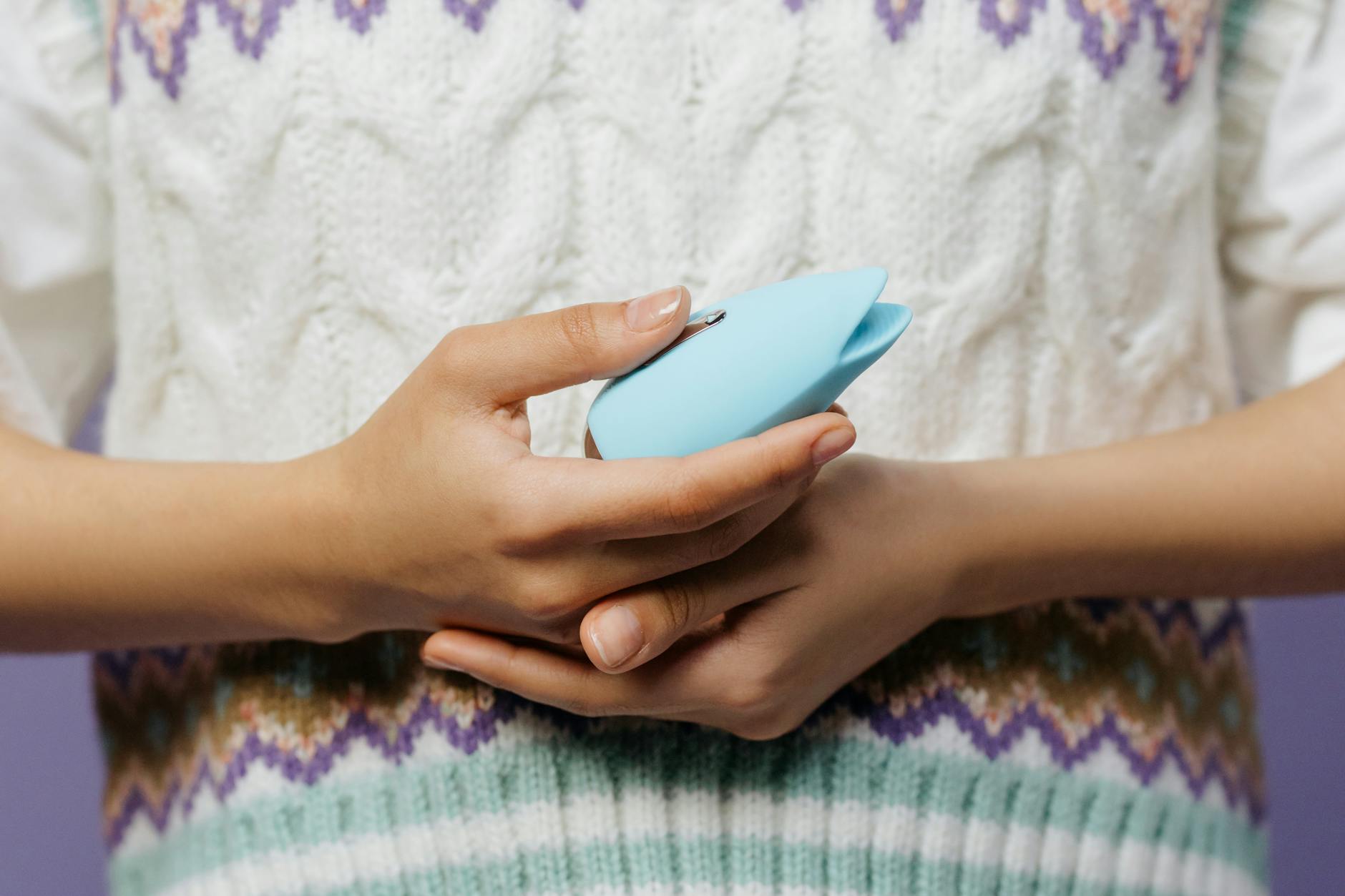
Let's talk about the lemon vibrator specifically, sometimes called a lem vibrator. It's a clitoral suction toy that uses gentle pulsing rather than vibration. For trauma survivors, this matters. Here's why.
Suction operates differently than vibration. It creates a rhythm your nervous system can anticipate. There's less chaotic sensation. You can feel the pattern building, which your brain registers as safer than sudden intensity.
Start at the lowest setting. Pattern 1 on a lemon vibrator is genuinely gentle. Place it on the external clitoris, not inside. You're exploring sensation, not chasing an orgasm.
Set a time boundary. Maybe 10 minutes. This sounds clinical, but it's actually grounding. You know when this ends. You're not surrendering to an open-ended experience.
If you feel panic, dissociation, or body flooding, stop immediately. No judgment. This is your nervous system telling you something. Come back to grounding. Feel your feet on the floor. Name five things you can see. Your body just showed you its edge, and that's useful information.
If sensation feels good, stay there. You don't need to progress. "Better" is not a destination. Pleasure at Pattern 2 for five minutes is enough.
When to use the lemon clitoral vibrator as part of healing
The best times are usually:
When you feel safe. Not theoretically safe, but actually resourced in your nervous system. That might be midday, not night. In your own home, not a partner's space. With all doors locked, music playing to block outside sounds.
When you're not using it to dissociate. Some trauma survivors use toys to numb out or escape. That's understandable, but it doesn't serve healing. You're learning to be present in your body, not to leave it.
When you have time afterward. Don't use a lemon vibrator five minutes before work. You might feel emotionally tender. Rest after. Journal if that helps. Drink water. Come back to your body slowly.
When you're not forcing it. If pleasure doesn't arrive, a lemon vibrator won't fix that. Arousal requires a regulated nervous system. If you're still in fight-or-flight, no toy will change that. The work is the nervous system regulation first, tools second.
Building a sexual self-care ritual
Here's what a gentle trauma-informed solo session might look like:
Create physical safety. Lock doors. Silence your phone. Maybe dim lights or light a candle.
Regulate your nervous system first. Five minutes of slow breathing. A body scan where you notice sensations without judgment. Some people do gentle stretching or a short walk.
Start with non-genital touch. Massage your own shoulders, arms, legs. Notice what feels good. This trains your brain that touch can be safe.
When you're ready, explore external genital sensation with your fingers. No goal. Just presence.
If you want to use a lemon vibrator, keep it brief. Ten minutes or less. The lowest setting.
After, spend time grounding. Journaling works for many people. Some folks shower to mark a transition. Others cuddle with a pet or wrap up in a blanket.
The ritual itself is healing. You're showing your body that you choose what happens in it, and you honor it after.
When to work with a professional
If you're experiencing intrusive thoughts or flashbacks during solo sessions, a trauma-trained therapist should be your first resource. They can help you process what's arising.
If your body locks up completely when you try to explore pleasure, that's also worth discussing with someone trained in somatic therapy. They can teach you techniques like pendulation (moving your attention between safe and unsafe sensations) or grounding that make exploration possible.
A trauma-informed sex therapist or somatic experiencing practitioner can help you understand why certain sensations trigger responses, and design a healing path that makes sense for your specific nervous system. Toys like lemon vibrators are tools that support this work. They're not replacements for it.
The body does heal
I've worked with survivors who moved from being unable to be touched to having orgasms that surprised them with intensity. From dissociating at the first sign of arousal to being present and engaged. From feeling like their body was a crime scene to feeling like a home.
This doesn't happen in a line. It's cyclical. Some weeks you'll feel more open. Other weeks old defenses will rightfully activate. That's not failure. That's your nervous system still learning that healing is safe.
A lemon vibrator won't change your trauma history. Therapy, self-compassion, and time will. But using a clitoral vibrator intentionally, at your pace, with full permission and control, is one way you tell your body something new. You are deciding what happens here. You are safe to feel. You deserve pleasure.
People also ask
Is it normal to feel nothing when using a lemon vibrator if I have trauma?
Completely normal. Numbness is a trauma response. Your nervous system learned that disconnection was protection. A lemon vibrator won't override that instantly. The goal is to use it consistently, in small doses, to slowly teach your body that sensation can be safe. Work with a somatic therapist to address the underlying nervous system dysregulation. The vibrator is the supporting tool, not the main intervention.
Can I use a lemon clitoral vibrator while working through trauma with a therapist?
Yes, and many therapists who specialize in trauma actually encourage it once you're establishing safety. The key is communicating with your therapist about what you're exploring. If something triggers you during solo sessions, bring it to your next session. Your therapist can help you process it. The lemon vibrator becomes a vehicle for understanding your body's responses, not just a pleasure device.
What if I dissociate when I try to use the vibrator?
Stop immediately. Dissociation is your nervous system saying the experience is too intense. Scale back to non-vibrator touch, or skip solo sessions entirely for now and focus on grounding exercises with your therapist. Some trauma survivors need months of nervous system work before toy-based pleasure is realistic. That's not a failure. That's respect for where your body is right now.
Should I tell my partner I'm using a lemon vibrator for trauma recovery?
That's your call, but communication usually helps. If you have a partner and they know you're in recovery, explaining that you're using a solo practice tool to reconnect with your body can deepen trust. It's not about excluding them. It's about you reclaiming agency in a solo context first. If your partner is also your trigger, that's a separate conversation worth having with your therapist.
How long does it take for a lemon vibrator to help with trauma recovery?
There's no timeline. Some people notice a shift in a few weeks. Others need months. Healing isn't linear. You might have weeks where pleasure feels accessible, then weeks where your nervous system tightens again. The vibrator is one tool among many. Therapy, breathwork, somatic work, and self-compassion are equally important. Keep going, and trust that your body is rewiring itself even when it doesn't feel like it.
Can I use a lemon vibrator if I'm on antidepressants or anti-anxiety medication?
Yes, but be aware that some medications affect arousal or sensation. If you notice your response has shifted since starting medication, that's worth discussing with your prescriber. It's a real side effect, not a personal failure. A lemon vibrator's gentle suction can sometimes help compensate for reduced sensation, but managing medication-related changes is a conversation for your doctor and therapist together.
A final word
Your body is not broken. It's protective. And protection that once saved your life might now be limiting your pleasure. That's not your fault. The work of trauma recovery is patient and gradual. You're learning to trust yourself again.
A lemon vibrator, with its predictable rhythm and external focus, can be part of that conversation between you and your body. It says: I choose this. I deserve this. I'm safe enough for this.
That message, repeated gently over time, is how healing happens.