Infidelity doesn't just damage trust. It rewires desire itself. The person you're sleeping next to suddenly feels unsafe, or the person doing the rebuilding feels ashamed, or both feel numb because the vulnerability that sex requires has been stripped bare. Sometimes the couple doesn't touch at all for months. Sometimes they try to have sex and it feels like an obligation, a performance, proof of something.
I work with couples through this regularly. The couples who heal aren't the ones who pretend infidelity didn't change anything. They're the ones who acknowledge that reconnecting physically is as difficult and necessary as the other repair work.
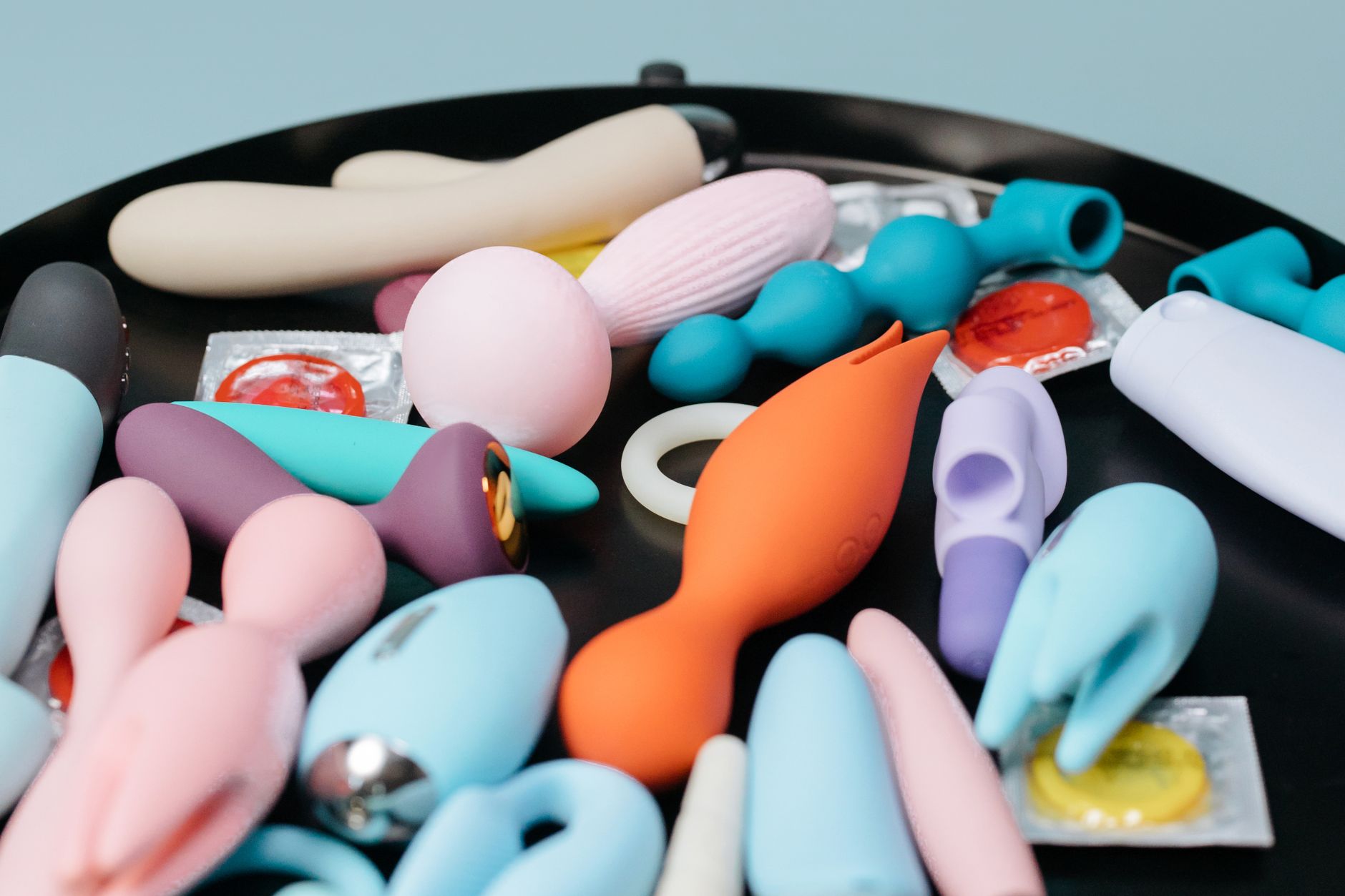
Lemon vibrators, specifically, can help because they're low-pressure, sensationally predictable, and they shift the narrative of sex from "proving you still love me" to "exploring what pleasure feels like now."
Infidelity triggers a cascade of neurological and emotional shifts. The betrayed partner's nervous system has been activated. Trust is the substrate for vulnerability. Without it, the body doesn't relax. Arousal requires parasympathetic activation, the "rest and digest" state. But after betrayal, the nervous system stays in fight-or-flight. The body can't access pleasure because survival is still the priority.
The unfaithful partner often experiences their own paralysis. Guilt + shame + the knowledge that their partner is hyperaware during sex creates a performance pressure that collapses desire. Many couples end up faking, which makes everything worse.
Here's what's important: neither person is broken. The system is broken. And rebuilding it requires shifting the entire framing of physical reconnection.
Before you touch a lemon vibrator or anything else, sit down and be specific. Is the issue:
Fear? "I'm afraid of being hurt again if I let myself feel close." This is legitimate. It requires time and consistent safety, not sex toys.
Shame? "I feel ashamed of what happened / I feel ashamed that I let it happen." Vibrators can actually help here because they depersonalize pleasure. Your orgasm becomes about sensation, not about performing partnership.
Disconnection? "We don't know how to touch each other without it feeling heavy." This is where a lemon vibrator genuinely helps. It lightens the emotional weight of sex by introducing novelty and removing the pressure to be "good" together.
Loss of attraction? "I don't feel turned on by them anymore." This one is harder and usually requires actual therapy work before sex tools help.
The couple that benefits most from adding a lemon vibrator is the one where desire is gone because sex has become too loaded with meaning. The vibrator resets that by introducing pleasure as its own thing.
Don't show up with it without talking first. The conversation itself matters as much as the tool.
Good opener: "I've been thinking about how sex has felt blocked for both of us, and I read about couples using toys not as a fix but as a way to take pressure off. Would you be open to exploring that together?"
Not good: "I bought a vibrator to help us." This reads as unilateral and solution-focused, which shuts down the conversation.
The offer to explore together is important. Even if the betrayed partner is the one who wants to use it, the unfaithful partner needs to feel included in the decision. This is part of rebuilding shared choice-making.
Then, pick a time that isn't bedroom-adjacent. Don't talk about it in bed or right before sex. Talk about it over coffee or a walk when there's zero expectation that sex is happening next.
Most couples I work with get better results if the person who's more hesitant uses the lemon vibrator alone first. This removes the pressure of performance and lets pleasure feel safe.
For the betrayed partner, solo use says: "I can explore pleasure without you, and that's okay." It rebuilds agency.
For the unfaithful partner, it says: "I can experience pleasure without having to earn it back yet."
Start with the lowest setting. Spend 15 to 20 minutes with it. The goal isn't to have an orgasm. The goal is to remember what pleasure without pressure feels like. This matters more than you'd think.
After a few sessions alone, share what you learned. "It felt weird at first, then I realized I was holding my breath. When I let that go, the sensation changed." These small admissions are where reconnection begins.
Partnered use isn't about both partners getting off. That's not the point. The point is presence and novelty and removing the stakes.
Start with the lemon vibrator being used on the hesitant partner while the other partner is present but not central. So the betrayed partner uses the lem on themselves while their partner watches, or the unfaithful partner uses it while the other is nearby. This keeps the focus on sensation, not performance.
After a few sessions, the watching partner can participate by using the vibrator on their partner. This is a small act of care that doesn't carry all the weight of "making love." It's less loaded.
Three important rules for partnered sessions:
Check in verbally. "Does the pattern feel good?" "Should I move to a different intensity?" This constant micro-communication rebuilds the habit of being honest during sex.
Stop whenever you want, for any reason. No pressure, no explanation needed. If either partner says "I need to stop," you stop. Period. This is how trust gets rebuilt.
Don't expect an orgasm. Seriously. If it happens, great. If not, the session still succeeded because you were present without pressure.
Clitoral vibrators work differently than penetrative ones. They don't require vulnerability in the same way. There's no partner inside your body, which means there's less activation of the nervous system's threat-detection. This matters post-infidelity.
Lemon clitoral vibrators use air-suction technology, which feels less intense than direct vibration. It's more like a sustained sensation than a buzzing shock. For people whose nervous systems are already activated by betrayal, this gentleness is crucial.
And there's something about the specific design of a lemon vibrator that lightens the atmosphere. It doesn't look like a traditional dildo or intimidating adult toy. It's approachable, almost playful, which reintroduces levity to a situation that's been heavy for months.
Reconciliation sex is rarely comfortable. You might cry. You might freeze. You might start and need to stop. One of you might feel disconnected while the other feels closer than ever. This is all normal.
What makes it go south is if you interpret these reactions as failure. They're not. They're data. "I cried because I realized I'm still grieving" is information. "I froze because I panicked" is information. "I felt amazing and my partner felt nothing" is information.
After each session, do a 10-minute check-in. Not a deep therapy conversation. Just: "What was that like for you?" and actually listen. These check-ins are where real repair happens.
Rebuilding sexual intimacy after infidelity takes months, sometimes a year or more. There's no fast track. The couples who feel despair about this timeline are usually the ones pushing toward "normal" too fast. Normal isn't the goal. A different kind of normal is.
You might use a lemon vibrator for three months, then feel ready to explore partnered sex without it. You might use it for longer. You might circle back to it later when trust dips. All of this is fine.
If you've been using a lemon vibrator together for two months and sex still feels numb or resentful, you likely need a couples therapist who specializes in infidelity. A vibrator helps, but it doesn't replace the work of rebuilding broken trust.
If one partner wants to stay and the other has checked out, a vibrator won't fix that either. That's a relationship-level decision, not a sex-level one.
The vibrator is a tool for couples who've made the choice to rebuild and are doing the work. It's not a rescue device.
Yes, but only as part of a larger commitment to repair. The vibrator removes performance pressure and reintroduces pleasure as something neutral. This can break the cycle of heavy, loaded sex. But it works only if both partners are actually willing to rebuild trust through other means too: honesty, transparency, therapy if needed, and time.
This is a really common fear, especially after infidelity. Frame it clearly: "A lemon vibrator isn't about you being inadequate. It's about us exploring pleasure differently right now, when regular sex feels too heavy." If your partner is still resistant, that might indicate they need professional support processing the infidelity themselves.
Wait. Give yourself at least 2 to 4 weeks to sit with what happened, have some honest conversations, and start rebuilding basic trust before you introduce sex tools. Too soon and it feels like you're trying to erase what happened. The vibrator works better once both of you have acknowledged the damage.
Absolutely. In fact, solo use first is especially powerful for the unfaithful partner because it's a way to say, "I'm not asking for your forgiveness through sex yet. I'm just working on my own relationship with pleasure while I earn trust back."
That's okay. You don't both have to have the same response. One partner might feel excited and reconnected while the other feels neutral or slightly awkward. This is normal. Don't try to force matching enthusiasm. Instead, ask what would make the experience better for the resistant partner. More clothing on? Lights off? A totally different approach? Adapt.
If you're having honest conversations about what happened, you're making agreements about transparency going forward, you're both showing up to therapy or repair work, and sex is gradually feeling less like an obligation, you're healing. If sex feels good again but you still don't trust your partner, or you're having the same conflict patterns, that's avoidance. The vibrator can't fix that. Only actual relationship repair can.
Rebuilding intimacy after infidelity isn't a straight line. Some weeks you'll feel connected, other weeks you'll feel miles apart. A lemon vibrator can help ease the friction during those reconnection moments, but it's only one tool in a much larger repair process.
If you're navigating this and want more specific guidance, reach out at /contact. Every couple's path through infidelity is different, and sometimes talking it through with someone trained in relationship repair makes the difference between healing and just coexisting.