Here's the conversation nobody wants to have
Your partner used to want you. Now they don't, not really. Or maybe they do some days and others they're just going through the motions. The rejection stings. The silence around it stings worse. And somewhere in that hurt, you've stopped asking, stopped initiating, and honestly, you're not sure who pulled away first anymore.
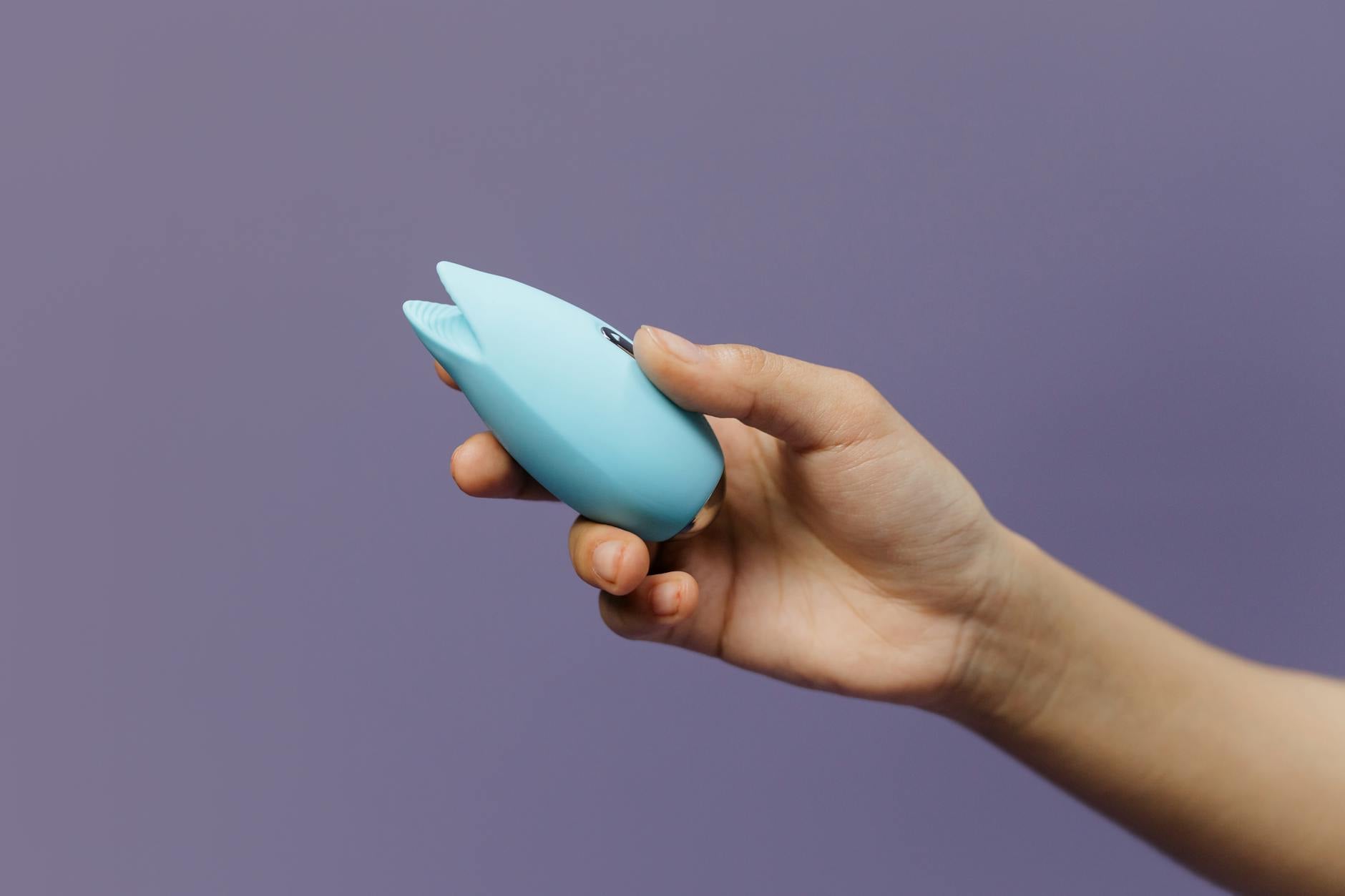
This is one of the most common relationship fractures I see in my practice, and it rarely gets talked about openly. One person's desire tanks. The other person internalizes it as rejection. Resentment builds. Sex becomes something you're both avoiding instead of something you share. A lemon clitoral vibrator, used thoughtfully, can actually be a tool for reconnection here. Not as a substitution for your partner, but as a bridge that keeps your own pleasure alive while you work through what's actually happening.
Let's start with the hard part.
Why libido drops (and it's probably not about you)
When a partner's desire disappears, the person being rejected usually assumes one of three things. "They're not attracted to me anymore." "They're having an affair." "I'm doing something wrong." Almost none of those are true. In couples therapy, the actual reasons cluster into about five real categories, and none of them are about your desirability.
Stress and mental load. Job pressure, financial worry, family stuff. The brain doesn't have bandwidth for arousal when it's running a spreadsheet of debts and deadlines. Libido is one of the first things to flatline under chronic stress.
Depression or anxiety. Low mood kills desire at a neurochemical level. Same with anxiety. Your partner might not even recognize it as depression. They just feel blank.
Medication side effects. Antidepressants, blood pressure meds, some antihistamines. Quietly tanking libido while nobody's looking.
Resentment that hasn't been named. Maybe they feel unseen in the relationship. Maybe you've been carrying anger about something unrelated to sex, and it's showing up as avoidance.
Just a mismatch in desire. Not everyone has the same baseline libido, and that gap can feel massive when you're in it.
The point: libido dropping doesn't mean attraction is gone. It usually means something else is happening, and the sex is just the first domino to fall.
The conversation that changes everything
Before you use a lemon vibrator, you need to have the conversation you've been avoiding. Not during sex or when you're feeling rejected. Pick a neutral time, maybe over coffee or on a walk. Start with curiosity, not accusation.
"I've noticed things have shifted between us sexually, and I want to understand what's going on for you." Not "you never want me anymore." Not "I feel rejected." Those statements will make your partner defensive, and you'll both get nowhere.
Then listen. Actually listen. Your partner might tell you something you didn't expect. They might feel pressure to perform. They might be depressed. They might be tired of feeling like sex is the only time you connect. They might not know why they've lost interest.
Here's what works: once you understand what's actually happening, you name it as a shared problem, not a relationship problem. "We both want you to feel like yourself again." "I want us to figure this out together." That shift from blame to teamwork is everything.
Now, how a lemon vibrator enters the picture
This is the practical part. You've had the conversation. You know what's going on, or at least you're both working to figure it out. Your partner might be seeing a therapist, or their doctor about meds, or you're working with a couples counselor. Good. That's the foundation.
But your pleasure doesn't have to be on hold while they sort themselves out. And introducing a lemon clitoral vibrator into your intimate time isn't a workaround. It's actually an honesty tool.
When your partner's libido is low, they often feel guilty about not wanting sex. Sex becomes fraught. There's pressure. There's shame on their side and resentment on yours. It stops being fun for either of you.
A lemon vibrator reframes the dynamic. Instead of "sex" being the goal, pleasure becomes the goal. And pleasure can happen in a lot of ways. Your partner might not feel like penetrative sex. But they might feel like being close to you while you use a lemon sucker. They might want to watch. They might want to touch you while you're using it. They might want to rest their head on your chest while you explore yourself.
These moments are still intimacy. They're still connection. But they don't require your partner to "perform" desire they don't have.
How to actually use it together
Start with full transparency. "I want to try something that might help both of us feel less pressure. Would you be open to exploring this together?"
There are a few ways this plays out, depending on what your partner is ready for:
They want to watch. You use your lemon vibrator while they're present. They might hold you, touch your thighs, kiss your neck. They're involved, but there's no expectation that they're getting aroused. This often rekindles something because they're seeing you in genuine pleasure, not performing. Pleasure is magnetic.
They want to be hands-on without penetration. They can use the vibrator on you. They can explore your body. They can be curious without the pressure of full sex. Lots of couples find this is where desire actually returns, because it's playful and exploratory instead of obligatory.
They want to be next to you, but mostly present. They lie beside you while you explore yourself. You talk. You're close. Sometimes that's enough to rebuild the sense of safety and connection that got buried under resentment.
Solo sessions when they're not there. If your partner isn't ready for any of the above yet, use your lemon clitoral vibrator alone. Don't hide it. Tell them you're tending to your own needs because your pleasure matters. This sounds bold, but it actually reduces pressure on your partner and keeps you from building resentment. You're saying: I'm not waiting for you to fix this. I'm taking care of myself.
What not to do
Don't use it as a punishment. "Since you don't want me, I'm getting this." That's resentment in action, and it'll blow up.
Don't expect it to fix the underlying issue. A lemon vibrator is not a marriage counselor. If your partner is depressed, they need treatment. If there's infidelity, you need to address that. If there's deep resentment, you need a couples therapist. The vibrator is a companion tool, not a solution.
Don't use it to try to turn them on if they've said they're not interested. Some partners feel performative pressure watching, and that backfires hard. Respect their boundary.
What actually happens when you do this right
In my practice, couples who navigate low libido thoughtfully often find that desire returns. Not always immediately. Sometimes it takes months. But it returns because the pressure evaporates, and desire usually shows up when pressure leaves.
The partner with low libido feels less shame. The partner with higher desire feels less rejected. You're both in it together instead of on opposite sides. And many couples tell me that rediscovering pleasure this way feels fresher than it did before the slump.
A lemon clitoral vibrator isn't the solution to libido mismatches. But it's a really honest way to stay connected while you both work on what's actually broken. And that connection, that willingness to explore pleasure together without judgment, is often the thing that heals the relationship underneath.
FAQ
What if my partner feels threatened by a vibrator?
That feeling is usually about something else. They might worry it means they're not enough, or that you're not attracted to them, or that you'll need it instead of them. Have that conversation directly. "I'm not using this because you're not enough. I'm using this because my pleasure matters, and I want to stay connected to myself and to you." Frame it as addition, not replacement.
Is it weird to use a lemon vibrator when my partner has lost libido?
No. It's actually the opposite of weird. It's realistic. Your body doesn't stop needing pleasure because your partner's desire dropped. Staying connected to that pleasure keeps you from building resentment. Lots of couples navigate this, and most people who do it report feeling closer, not farther apart.
How do I bring this up without making my partner feel bad?
Lead with your needs, not their failure. "I want to explore this for me. I'd love to do it with you there, but I understand if you're not ready. I'm going to tend to my own pleasure because disconnecting from it has been making me resentful." Honesty disarms defensiveness.
Can using a lemon vibrator actually help my partner's libido come back?
Indirectly, yes. When pressure reduces, shame reduces, and connection rebuilds, desire often returns naturally. But the vibrator itself isn't a fix. It's a way to keep intimacy alive while you both work on the actual root cause. See a couples therapist if the libido drop is prolonged.
What if my partner wants to use the vibrator on me but then loses interest halfway through?
Stop. Rest. Reconnect. Don't turn it into a performance. Sometimes partners with low libido hit a wall quickly. That's okay. What matters is the willingness to show up, not the endurance. Celebrate the effort, not the completion.
How often should we use a vibrator together if their libido is low?
Once a week or whenever it feels natural. Don't schedule it if it kills the mood. Let it emerge from genuine connection. Forced intimacy defeats the purpose. Once or twice a week is usually a good rhythm for couples rebuilding connection without pressure.
The real work
A lemon vibrator is honest and practical. But it's not the answer to why your partner's desire disappeared. That answer lives in stress, health, resentment, or sometimes just a natural mismatch in libido that's finally surfaced. Figure out what it actually is. Get support if you need it. And use tools like a lemon clitoral vibrator to stay connected to yourself and each other while you do the harder work of understanding what broke and how to rebuild it.
Your pleasure matters. Your partner's mental and physical health matters. Your connection matters. All three can exist at the same time. You just need to stop pretending one of them doesn't.