Let's talk about the thing nobody warns you about
When you start an antidepressant, your prescriber tells you about dry mouth, sleep changes, maybe some nausea. What they often don't mention: sexual response gets complicated. Pleasure becomes quieter. Orgasms take longer, feel less intense, or disappear entirely. It's not in your head. It's not about your relationship. It's your medication doing exactly what it's supposed to do, which is mess with your neurotransmitters. And that includes the ones responsible for pleasure.
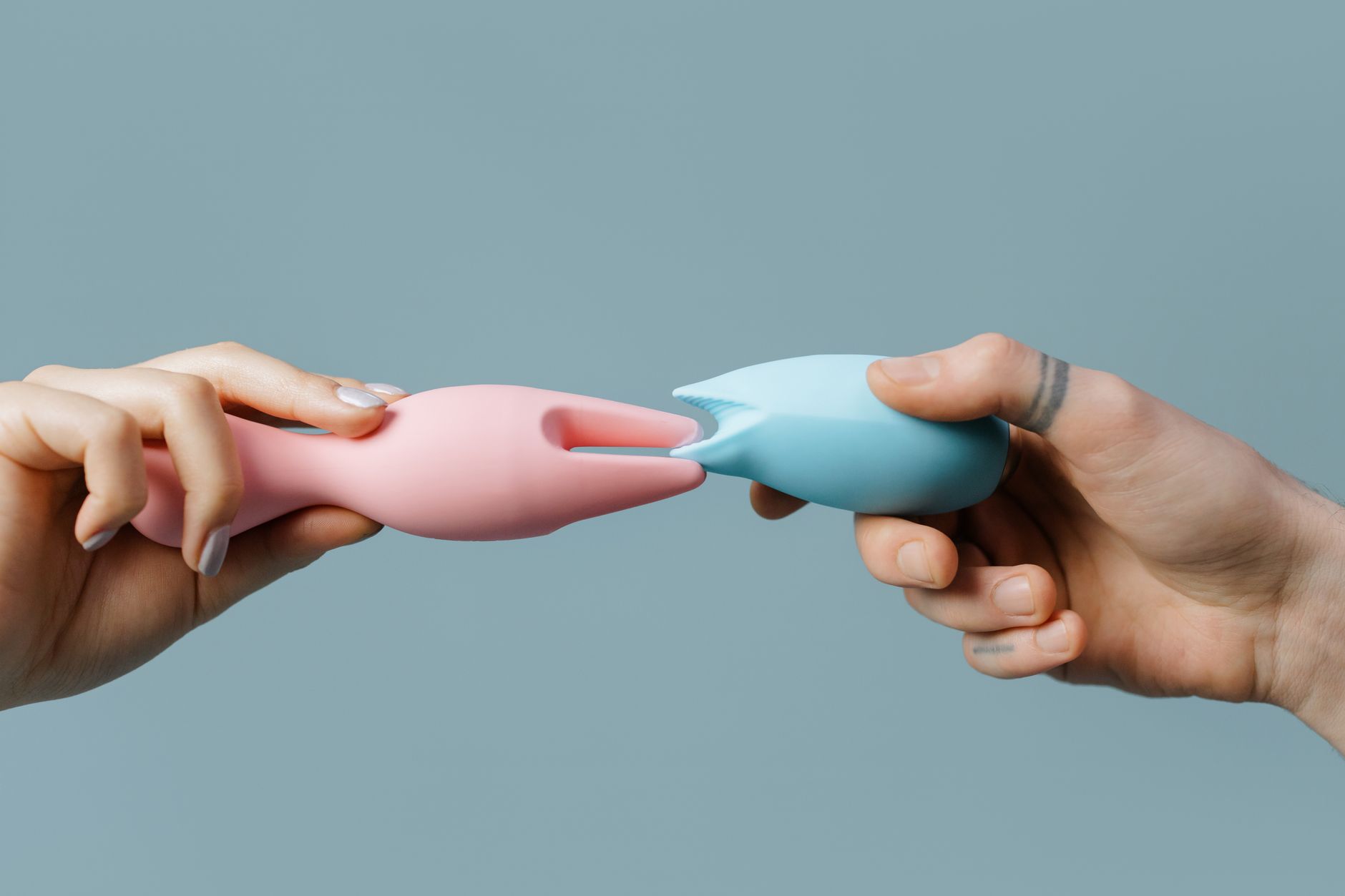
Here's what you need to know: this is treatable. A clitoral vibrator like the lemon sucker isn't a workaround. It's a real tool that changes how your body responds when orgasm feels out of reach.
What antidepressants actually do to pleasure
Most antidepressants (particularly SSRIs and SNRIs) work by increasing serotonin and norepinephrine in your brain. That's the whole point. But here's the problem: the same chemicals that regulate mood also regulate sexual response. Specifically, they dial down dopamine and noradrenaline at the point of arousal, which means the cascade of physical events that leads to orgasm starts slower, peaks lower, and sometimes doesn't crest at all.
It's not random which antidepressants hit pleasure hardest. Paroxetine and fluoxetine tend to be worse offenders. Bupropion actually works in the opposite direction and often improves sexual response. But even knowing that doesn't fix it. If your medication is working for your depression and you're not about to switch, you need strategies that work within that constraint.
The good news: your body's capacity for pleasure hasn't changed. Your clitoral sensitivity is intact. Your ability to orgasm is still there. The pathway just got longer, and it needs different help getting there.
Why stimulation intensity matters more now
When you're on an antidepressant, gentle stimulation often feels like nothing. This is where most people get stuck. They use the same vibrator at the same setting they used before, feel no response, and assume pleasure is broken. It's not. It's just that your nervous system needs stronger, more consistent signal to wake up.
This is where a lemon vibrator makes a real difference. Clitoral vibrators use suction and pulsation rather than vibration alone. This creates a different type of stimulation that cuts through the dampening effect of antidepressants. It's more direct. It doesn't require you to be already aroused to feel something. You can start with minimal arousal and let the device build that arousal instead of waiting for it to happen naturally.
The lem vibrator, for example, works at different intensity levels. Many people on antidepressants find they need to start at level 3 or 4 instead of the gentle level 1. That's not a sign something's wrong. That's just your new normal.
Timing and patience change the game
Before antidepressants, maybe you could orgasm in five minutes. Now it's 20. Or 35. This frustration is real and worth naming. But it's also changeable.
The key is scheduling pleasure instead of waiting for spontaneous desire. Spontaneous desire often doesn't come back while you're on an SSRI. But responsive desire, the kind that builds once you start touching yourself, usually does. Give yourself 30 to 45 minutes without other obligations looming. No phone. No time pressure. Your brain and body need that runway.
Start with a lemon clitoral vibrator at a moderate setting. Don't jump to the highest intensity hoping for a shortcut. Build slowly. Let your body warm up to the stimulation. Many people find that what felt like nothing in minute two suddenly becomes clear in minute ten.
Also: fantasies matter more now. Magazines, audio, partner participation, whatever your brain needs to fuel arousal. The antidepressant isn't blocking fantasy. It's blocking physical spontaneity. Mental fuel becomes more important.
Partnered pleasure needs a different conversation
If you have a partner, the temptation is to involve them in problem-solving. "Maybe we need to try new positions." "Maybe I'm less attracted to you now." Neither is usually true. Your neurochemistry changed, not your relationship.
The most useful thing you can do is separate two conversations. First: "My body needs different stimulation now, and that's temporary or manageable." Second: "I want us to stay connected during this." Those are different topics. The first one might involve you using a lemon adult toy alone, or asking your partner to use it on you. The second is about whether you want that connection to include penetration, oral sex, or just presence.
Many couples find that introducing a clitoral vibrator actually deepens intimacy during this adjustment. It's not about the device replacing the partner. It's about the partner understanding that sometimes, the body needs more direct feedback than fingers or other anatomy can provide.
When to talk to your prescriber
If pleasure completely flatlined and isn't showing any improvement after three months, mention it to your doctor. There are real options: adjusting the dose, switching to a different medication, adding bupropion, or timing your dose differently. Some people take their SSRI at night and have better sexual response during the day. Some people take a "drug holiday" with their prescriber's guidance, though that's becoming less standard.
The important thing: sexual dysfunction from antidepressants is medical. Your prescriber should know. They won't shame you. They've heard this a hundred times.
The reset usually takes three to six months
Your body adapts. Some people find that pleasure returns closer to baseline after a few months. Others find a new normal that's slightly different but totally functional. Using tools like a lemon sucker during this adjustment period isn't cheating. It's maintaining a part of yourself while your brain chemistry settles.
Many people discover that once they've gotten through the adjustment phase and relearned how their body responds with antidepressants on board, pleasure is actually better. You're not holding anxiety. You're not in crisis mode. You're just more present. That changes everything.
If you're navigating this right now, here's what matters: your mental health comes first. Full stop. The depression or anxiety your medication treats is harder to live with than sexual side effects. And those side effects are not permanent or unsolvable. Your body's capacity for pleasure didn't break. It just needs different tools and patience while your nervous system recalibrates.
People also ask
How long does it take for antidepressant sexual side effects to improve?
Most people see some improvement in sexual response after three to six months as the body adjusts to the medication. However, this varies widely depending on the specific antidepressant, your dose, and your individual neurochemistry. Some people notice changes within weeks. Others find they need a medication adjustment or a different medication entirely. The key is patience combined with active problem-solving. Using tools like a clitoral vibrator during this period keeps pleasure in your life while you wait for adaptation to happen.
Can I switch antidepressants to fix sexual side effects?
Possibly, but not without talking to your prescriber. Some antidepressants genuinely are worse for sexual response than others. Bupropion, for example, often improves sexual function. But switching medications is not a casual decision, especially if your current medication is managing your depression well. Your prescriber can help you weigh whether the sexual side effects are worth staying on what works mentally, or if switching makes sense for your specific situation. Many people find that managing sexual side effects with tools and patience is easier than going through the adjustment period of a new medication.
Does using a lemon vibrator mean I'm not attracted to my partner anymore?
No. Using a vibrator during antidepressant sexual side effects is not about attraction. It's about physiology. Your medication dampens your nervous system's sexual response across the board, not just with your partner. A clitoral vibrator provides more direct, consistent stimulation than most partnered touch can offer. It's not a replacement for your partner. It's a tool that helps your body remember how to respond. Many couples use vibrators together during this adjustment period and find it brings them closer.
What's the difference between a lemon clitoral vibrator and a regular vibrator for antidepressant side effects?
Clitoral vibrators that use suction or pulsation patterns (like the lem vibrator) tend to work better for people on antidepressants because they create a different type of stimulation than straight vibration. Suction stimulates nerves in a more concentrated way that cuts through the dampening effect of SSRIs. Regular vibrators sometimes feel too gentle when you're on an antidepressant. That said, individual response varies. Some people find that a stronger regular vibrator works fine. The key is not assuming that subtle stimulation will work and adjusting your intensity expectations upward.
Can antidepressants make you permanently unable to orgasm?
No. Sexual dysfunction from antidepressants is a side effect, not permanent damage. Your orgasm capacity is still there. Your clitoral tissue is still responsive. Your brain's pleasure centers are still intact. What's changed is the speed and intensity of your response, not your fundamental ability. Most people find that with time, adjustment strategies, and possibly medication tweaks, sexual response returns to baseline or stabilizes at a functional new normal. If after six months you're still experiencing complete loss of sexual response, that's worth discussing with your prescriber as a reason to explore other options.
Should I use a lemon adult toy alone or with my partner when dealing with antidepressant side effects?
Both can work, depending on what you and your partner need. Using it alone gives you privacy to explore what feels good without performance pressure, which is especially helpful when sexual response is already complicated. Using it with your partner can actually build intimacy, since your partner gets to see and understand your pleasure more directly. There's no right answer. What matters is that you communicate about what you both want. Some couples start with solo exploration and move to partnered use once the person feels more confident about their response.
You deserve pleasure on antidepressants
Your mental health is non-negotiable. You need your medication to survive and thrive. And you also deserve to experience pleasure and intimacy. Those two things are not in conflict. Sexual side effects from antidepressants are manageable, temporary or adaptable, and there are real tools that help. A lemon clitoral vibrator isn't a workaround or a reminder that something's broken. It's part of taking care of yourself during a transition. If you have questions about your specific situation, reach out to your prescriber or a therapist. You don't have to navigate this alone.