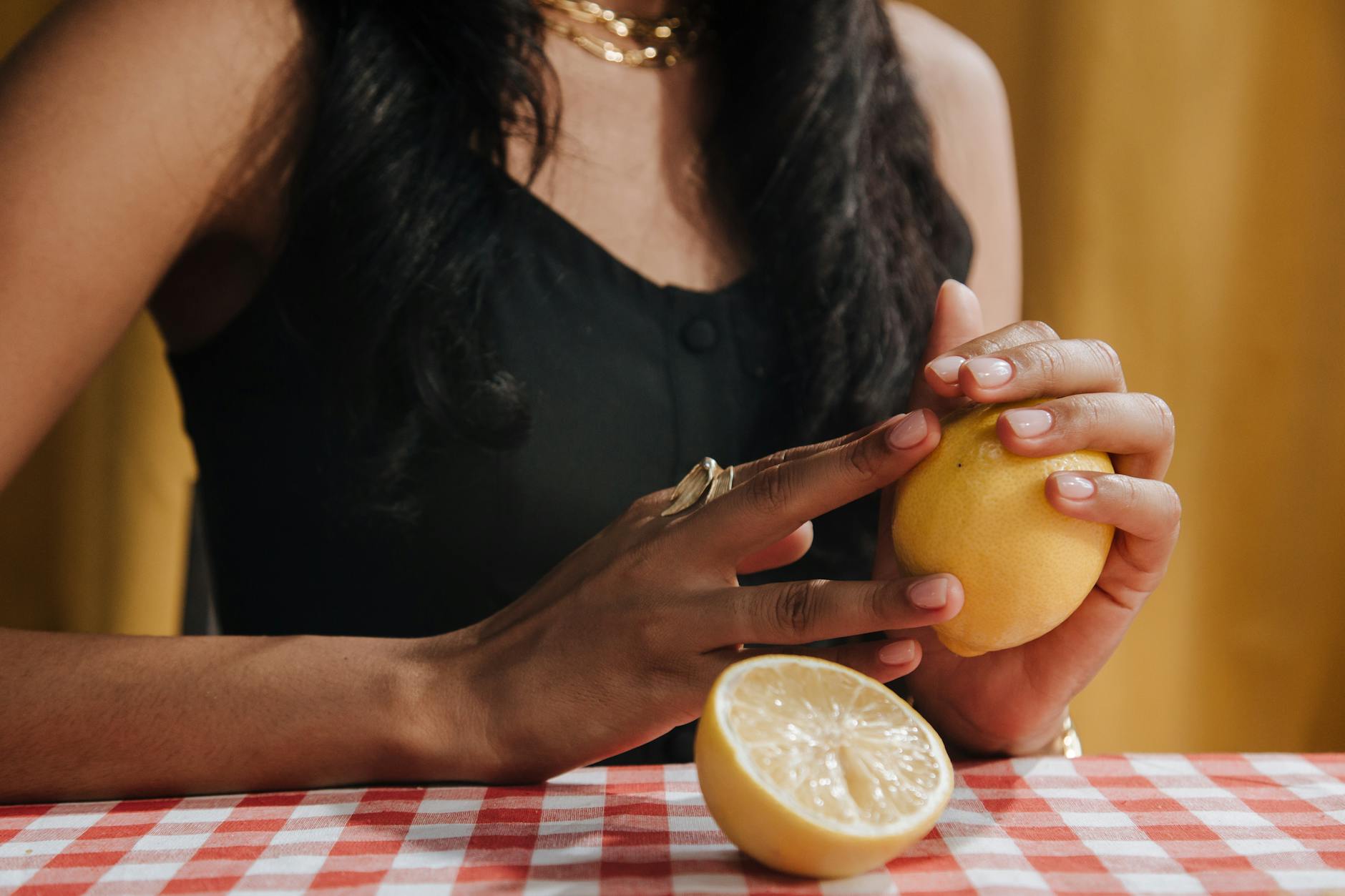
Let's talk about what hysterectomy actually changes
If your doctor said "you'll be fine, nothing changes," they weren't entirely wrong, but they weren't telling the whole story either. A hysterectomy removes your uterus. Your clitoris, your vulva, your nerve pathways, your brain's pleasure response: all still there. But the experience of pleasure often shifts in ways nobody warns you about.
Some people report sensation that feels muted. Others say it's sharper, sometimes almost too sharp. Some find orgasms feel different in shape. And some discover, months after surgery, that pleasure has actually deepened. This post walks through what's happening physiologically, why it matters, and how tools like the lemon vibrator help.
What the surgery actually affects
Hysterectomy removes the uterus and sometimes the cervix. If your ovaries stay, your hormones keep cycling roughly as before. If they're removed, you're in surgical menopause, which hits faster and harder than natural menopause.
Here's what that means for pleasure: the uterus and cervix have nerve endings. Their removal changes the internal sensory landscape. You lose some of the deep pressure sensations that certain movements used to trigger. The vaginal wall may have less elasticity post-surgery, especially in the first year. And if you're in hormonal flux, tissue thickness and lubrication shift too.
But here's what doesn't change: your clitoris works exactly as it did before. The neural pathways that create arousal and orgasm are still intact. Your brain's capacity for pleasure is completely unaffected.
The first three to six months: expect numbness and surprises
Right after surgery, the entire pelvic region feels foreign. You might notice numbness around the incision sites, weirdness with sensation, or a disconnection that feels emotional as much as physical. This is normal scar tissue formation at work.
Around month three, some sensation starts returning. This is when people often attempt penetration or partnered sex and discover it doesn't feel like they expected. The angle feels different. The depth of sensation shifts. And some describe a hollow feeling where deeper pressure sensations used to live.
Don't panic. This is also normal. Scar tissue is still healing. Nerve pathways are remapping. Your brain is learning what the new physical landscape feels like.
Why lemon vibrators work particularly well post-hysterectomy
A lemon clitoral vibrator like those from Helonancyslems operates through suction and gentle pulsing, not through deep internal stimulation. This matters because it means:
You're not relying on vaginal depth or cervical sensation. The clitoral glans has roughly 8,000 nerve endings, and none of them were affected by your hysterectomy. A lemon sucker bypasses the areas of change and stimulates the parts of your body that haven't moved an inch.
The lem vibrator also allows precise control. You can start at the lightest pattern, which feels gentler while nerve sensitivity is still recalibrating. Many post-hysterectomy bodies appreciate this control because sensation can feel unpredictable.
Unlike a wand vibrator or traditional vibrator, the suction sensation of a lemon vibrator feels distinct from penetration. That distinction helps your brain recalibrate without constant comparison to "how it used to feel."
The timeline for reclaiming sensation
Months one to three: Don't push. Your pelvic floor has been surgically altered. Scar tissue is forming. This is the time to rest and let your body heal, not to explore pleasure.
Months three to six: Light external exploration becomes possible. Solo touch with hands. Maybe a lemon vibrator on the lowest setting, just to see how your body responds. No pressure to orgasm.
Months six to twelve: Sensation typically returns more reliably. Numbness fades. Your brain adapts to the new internal anatomy. This is often when people discover they can orgasm again, and sometimes more intensely than before because the external focus feels sharper.
Year two and beyond: Most post-hysterectomy bodies stabilize. Pleasure becomes predictable again. Many people report that the forced reset actually deepened their understanding of their own bodies.
Four things I recommend for post-hysterectomy pleasure
Start with hands, not toys. Before introducing a lemon vibrator, spend time touching yourself externally. Get familiar with where sensitivity lives. This takes pressure off and helps your nervous system recalibrate without performance expectations.
Use lube, always. Post-hysterectomy tissue often stays thinner, even with hormones intact. A good water-based lube makes everything feel less raw and more connected. It's not a sign of failure. It's body literacy.
Keep patterns low initially. A lemon vibrator typically has five to ten intensity levels. Start at one or two. Your nerve endings are still figuring out their new job. Overwhelming stimulation early can create associations with discomfort rather than pleasure.
Expect pleasure to feel different, not less. The internal sensations that involved your cervix are gone. But clitoral pleasure often sharpens because your entire focus is external. Different is not worse. It's just different. Many people eventually prefer it.
What to do if sensation hasn't returned after a year
Some bodies take longer. Some don't regain full sensation without help. If you're at the year mark and pleasure still feels muted, talk to your surgeon or a pelvic floor physical therapist. They can rule out scar tissue adhesions or assess whether your pelvic floor is holding tension.
There's also the hormonal piece. If your ovaries were removed, hormone replacement therapy (HRT) changes tissue thickness and sensation dramatically. Many post-hysterectomy people find that adding estrogen cream or systemic HRT is the actual turning point, not time alone.
And if you had a partner before surgery, reconnecting sexually after hysterectomy is a two-person job. The way your partner touches you now should be different. The angles, the rhythm, the focus. If they're trying to recreate pre-surgery sex, your nervous system will fight them. Communicate what actually feels good in your new body, not what you think should feel good.
The emotional piece matters as much as the physical
Hysterectomy carries grief for some people. Even if you're relieved to be past endometriosis or fibroids, even if the surgery solved a real problem, your body changed permanently. And pleasure is wrapped up in body image and identity in ways that are hard to separate.
If you're struggling to reconnect with pleasure post-hysterectomy, some of that might be legitimate grief, not sensation loss. That's why working with a therapist alongside physical recovery matters. Your brain needs permission to feel different about your body and still deserve pleasure.
People also ask
Can I use a lemon vibrator immediately after hysterectomy?
No. You need clearance from your surgeon, typically around six weeks, before any internal penetration. External genital touch is fine earlier, but introducing a vibrator to the vulva should wait until you've been cleared for sexual activity. Even then, starting conservatively (lowest intensity, short sessions) helps your nervous system adjust without overwhelm.
Will my orgasms feel the same after hysterectomy?
Most likely not. You'll lose the deep, internal sensations involving your cervix and uterus. But clitoral orgasms often become stronger because your attention is entirely external. Some people describe them as sharper, more localized, easier to achieve. Others miss the deeper waves of internal sensation. Both are normal. Most people adjust within six to twelve months.
Does hysterectomy affect my ability to orgasm with a partner?
Not inherently. But partnered sex often requires renegotiation because what felt good before won't feel the same. The angles, the depth, the pace. If you and your partner can communicate about the new sensations without judgment, pleasure typically returns. This is a conversation, not a problem to solve alone.
Should I use a lemon clitoral vibrator or a traditional vibrator after hysterectomy?
There's no universal answer, but lemon suction vibrators have advantages: they stimulate only the clitoris (no reliance on vaginal depth), they offer gentle control (important while sensation is recalibrating), and they bypass the entire area that changed during surgery. A traditional vibrator works fine too, but some post-hysterectomy bodies find the external focus of a suction device easier to work with initially.
When can I expect pleasure to feel normal again?
Three to six months for basic sensation to return. Six to twelve months for pleasure to feel predictable. Some people hit their stride in year two. Others report that pleasure actually deepens in year three as their brain fully adapts. There's no rush. Recovery is not linear.
Is it normal to feel disconnected from pleasure after hysterectomy even though sensation has returned?
Completely normal. Hysterectomy is a grief, even for people who needed it. Your nervous system may have learned to associate the area with pain or illness. Your identity might be tangled up in your reproductive organs. These emotional pieces need just as much attention as the physical ones. Working with a therapist alongside your physical recovery isn't a sign something is wrong. It's actually good medicine.
The bottom line
Hysterectomy changes pleasure. It doesn't end it. Your clitoris survived surgery completely intact. Your capacity for orgasm survived. What changed is the internal landscape. Reclaiming pleasure after hysterectomy means learning your new body, using tools like a lemon vibrator that work with your postoperative anatomy, and giving yourself permission to grieve what's gone while exploring what's possible now.
Most post-hysterectomy bodies stabilize within a year or two. Many people discover that their pleasure deepens once they stop comparing it to before. The forced reset can actually be an opportunity to rebuild connection with your body on entirely new terms.
If you're struggling to reconnect, whether it's three months or three years post-surgery, reach out to your healthcare provider or a pelvic health specialist. You don't have to figure this out alone. And if you want to talk through the emotional side of rebuilding intimacy after this kind of body change, I'm here. Get in touch at /contact.