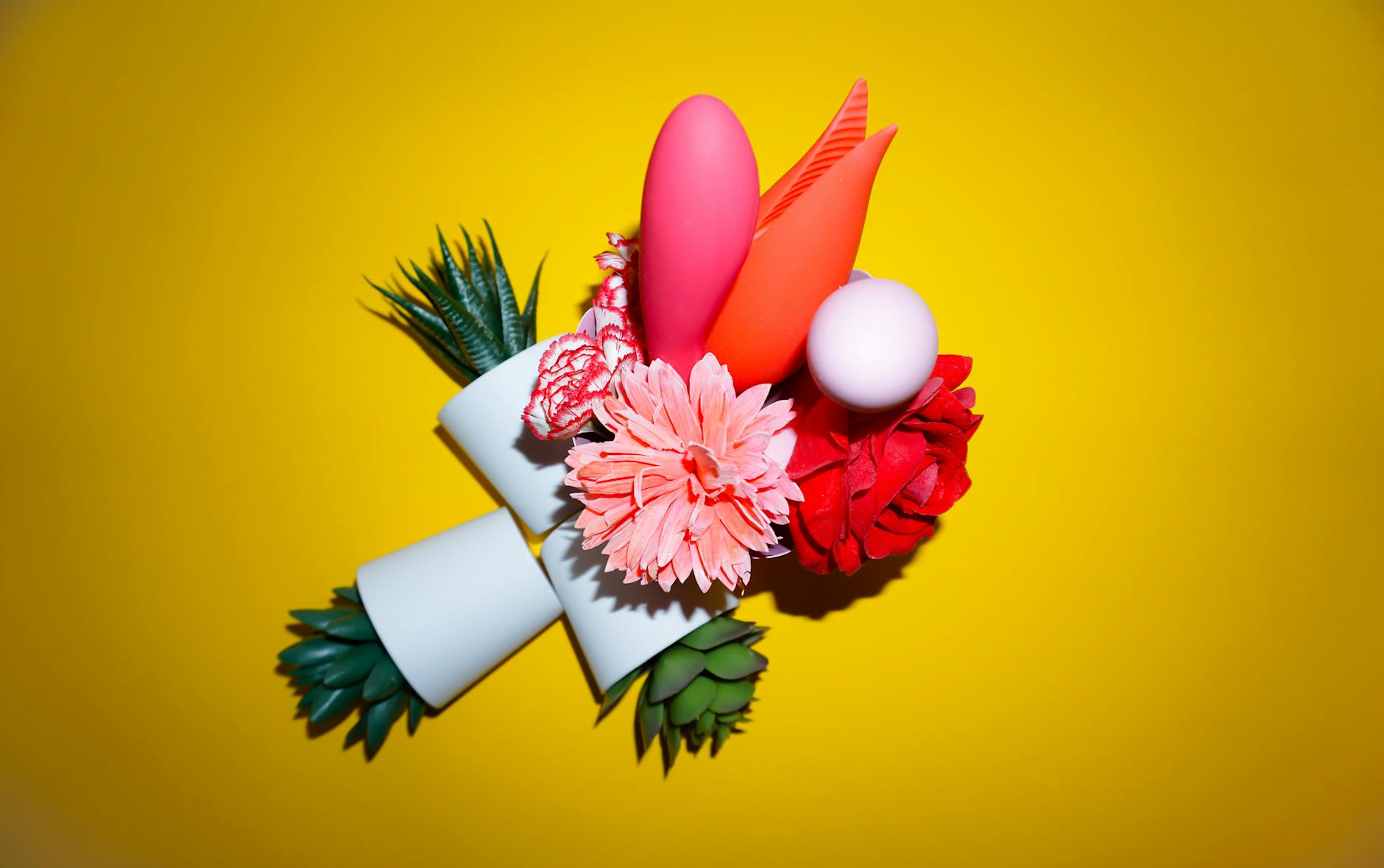
How to Use a Lemon Clitoral Vibrator When Single After Years in a Relationship
Let's be real. After years of partnered sex, going solo feels weird. Your body knows what your partner wanted. It knows what triggered their responses, what timing worked, how to coordinate with someone else's rhythm. Then suddenly you're alone and your own pleasure feels like a second language you forgot you ever spoke.
This is normal. This is also fixable. A lemon clitoral vibrator can be the bridge back to your own body.
The awkward truth about pleasure after coupledom
When you've been with someone for years, sex becomes a duet. You're reading their cues, adjusting to their preferences, timing your own pleasure around someone else's. Your body learns to prioritize responsiveness to another person over what actually feels best for you.
Then the relationship ends and you're supposed to just switch back to solo play like nothing changed. Except something did change. You changed. And there's research backing this up. A 2019 study found that people in long-term relationships often report lower satisfaction when they return to solo play, partly because their arousal patterns have literally rewired to expect external stimulation and feedback.
The good news: rewiring back is fast. And a lemon clitoral vibrator, specifically, helps accelerate that process because it removes the pressure of performance. There's no one watching. There's no need to coordinate. You're just exploring sensation for its own sake.
Why a lemon vibrator feels different when you're single
Three things shift when you go from partnered to solo play.
First, the mental load lifts. You're not managing anyone else's experience. You're not monitoring whether they're enjoying themselves. That mental bandwidth is suddenly available for sensation. Most people don't realize how much of their attention was split until it's not.
Second, there's no script. In a long-term relationship, sex often becomes predictable out of necessity. You know what works. You fall into patterns because patterns are efficient. Solo play, on the other hand, can be totally experimental. You can spend forty minutes on one setting of a lemon vibrator and go nowhere. That's allowed. That's actually valuable data.
Third, timing is yours. After years of syncing with a partner, your own natural arousal rhythm might feel foreign. A lemon clitoral vibrator lets you discover or rediscover what that rhythm actually is without anyone else's timeline competing for attention.
Starting over with physical sensation
Here's the part nobody warns you about: your sensitivity might have shifted. If you've spent years with consistent stimulation from a partner, jumping straight to a lemon vibrator on level 5 can feel either overwhelming or muted. You won't know until you try, and that's fine.
Start low. I mean genuinely low. The Lem, for instance, has seven settings. Most people assume they'll land on level 3 or 4. After years in a relationship, you might find yourself wanting level 1 or 2 for the first few sessions. This isn't about broken sensitivity. It's about recalibrating your baseline.
Give yourself permission to use the vibrator and not orgasm. This sounds counterintuitive when you're rediscovering solo pleasure, but it's one of the most valuable things you can do. Spend 15 minutes exploring sensation without a goal. Move the lemon vibrator around. Notice what feels good. Stay there. Leave if it doesn't. No destination. Just attention.
The emotional weight of touching yourself again
This is the part that's rarely discussed in any adult toy guide, and it matters. After years of touch coming from someone else, solo pleasure can feel loaded with weird emotions. Loneliness. Grief. Sometimes shame (especially if you were socialized to believe solo sex was something you moved past when you got partnered). Sometimes defiance.
All of this is normal and none of it means you're doing something wrong.
What helps: separate the emotion from the sensation. When you're using a lemon clitoral vibrator and suddenly feel grief or tears, that's not a malfunction. That's your nervous system processing a big life transition. Keep going. The sensation will shift. The emotion will move through. And you'll learn that your body can hold complexity.
If you find yourself unable to focus or present during solo play, that's worth paying attention to. Persistent dissociation or numbness during intentional pleasure time sometimes signals that you need to process the relationship transition in other ways first. Talking to a therapist or coach can help clarify whether it's temporary adjustment or something needing deeper work.
Practical settings and patterns for solo exploration
After years of partnered sex, your body might not remember how it builds arousal on its own. Here's a framework that works for most people rediscovering solo play with a lemon vibrator.
Warm up first. Spend 5 to 10 minutes with just your hands. Touch your thighs, your breasts, your belly. Build some baseline sensation before introducing the vibrator. This gives your nervous system time to shift into pleasure mode without the intensity of the device right away.
Start at level 1 or 2. Spend at least 5 minutes at a lower setting. Notice what you feel. Where does sensation concentrate. Does intensity build or plateau. This is information, not foreplay.
Move the vibrator, don't stay static. After years of partnered sex that might have followed a familiar pattern, you might have forgotten that sensation changes when the position or angle changes. Try circles. Try side to side. Try pressure versus light contact. A lemon clitoral vibrator designed with suction in mind creates sensation in layers. Explore the layers.
If you hit a plateau, change something. If you've been at level 3 for ten minutes and sensation isn't building, try level 4. Or go back to level 2 and change the angle. Or stop and do something else. There's no rule that says one solo session has to produce an orgasm.
Managing expectations about what solo pleasure should feel like
One of the biggest traps people fall into after long-term relationships is believing solo orgasms should match partnered ones. They often don't. And that's not a deficit. That's just different.
With a partner, you might have had faster orgasms because of the psychological stimulation of their presence, their pleasure, their focus on you. Solo, the pathway is different. It might take longer. The sensation might be more concentrated or more dispersed. You might feel fewer waves or more waves. None of these variations mean you're doing it wrong.
A lemon clitoral vibrator is actually excellent for exploring these differences because suction creates a very specific kind of sensation that's hard to replicate manually. You can discover what kinds of stimulation actually work best for your body once you remove the layer of partnered expectations.
When to consider seeing a professional
If you're months into being single and still experiencing pain, numbness, or complete inability to feel pleasure using a lemon vibrator or any other method, that's worth discussing with a pelvic floor specialist or sex therapist. Sometimes the blocks to solo pleasure after a long-term relationship are physical. Sometimes they're emotional. Often they're both.
Also worth checking in with someone if you notice you're using solo pleasure as a way to avoid other feelings or rebuild after the breakup. There's nothing wrong with using a lemon clitoral vibrator for self-soothing. But if it's replacing other forms of self-care or connection, that might be a signal to slow down and address the bigger transition.
Getting back to your body is a process, not a switch
Rediscovering solo pleasure after years of partnered sex isn't something that happens in one session. It's a gradual process of remembering what your body likes, separating your pleasure from someone else's, and building confidence in your own capacity to feel good.
A lemon vibrator is a tool that can accelerate that rediscovery. It gives you permission to prioritize sensation. It removes variables. And it reminds you that your pleasure is worth attention and time, which after years of splitting focus with someone else is something many people desperately need to relearn.
Your body didn't stop knowing how to feel good. It just got used to feeling good through someone else. That changes more easily than you'd think.
FAQ: Lemon Vibrators and Solo Play After Breakup
How soon after a breakup should I start using a lemon clitoral vibrator?
There's no universal timeline. Some people are ready within days. Some need weeks or months. The question to ask yourself is whether you're using it to reconnect with your body or to numb your feelings. If you're genuinely curious about sensation and feeling ready to explore, a lemon vibrator can be part of your healing. If you're using it to avoid processing the breakup, it might be worth waiting until you've done some of that other work first.
Will using a lemon vibrator too much desensitize me?
Not in the way you'd think. Daily use of a lemon clitoral vibrator doesn't permanently numb your body. But using it for hours or multiple times per day while you're navigating strong emotions can become a way to dissociate rather than connect. If you notice you're reaching for the vibrator constantly, that might be a signal to check in with what you're actually feeling underneath.
Why does solo play feel more intense with a lemon vibrator than it did with a partner?
Intensity works differently in solo versus partnered play. With a partner, sensation is diffused across anticipation, communication, and someone else's arousal. Solo, all the intensity is yours. A lemon clitoral vibrator, which creates suction rather than buzz, often produces very focused sensation that can feel sharper because there's nothing diluting it. This is normal and often surprising for people used to more distributed sensation from a partner.
Can I use a lemon vibrator if I'm still grieving the relationship?
Yes, but with awareness. Grief and pleasure can coexist. You might use your lemon vibrator and find yourself crying, which is fine. Your nervous system is processing a lot. What matters is that you're not using the vibrator to completely shut down emotion. If solo pleasure sessions feel emotionally safe and you're still feeling your feelings afterward, you're doing it right.
Should I tell my friends or therapist that I'm using a lemon vibrator after my breakup?
That's your call. If you have a therapist, it can be helpful to mention if it's part of your healing or if it's becoming compulsive. If you have close friends who you talk to about sex and relationships, some people find it useful to mention they're rediscovering solo pleasure. Others keep it private. Privacy around your body is always your right.
Is using a lemon clitoral vibrator a sign I'm not ready to date again?
Not at all. Solo pleasure and readiness to date are separate things. Using a lemon vibrator helps you reconnect with your own body and rebuild your sense of what you want sexually. That clarity often makes you a better partner when you do decide to date again because you know what feels good for you instead of defaulting to patterns from your previous relationship.
The bridge back to yourself
After years in a long-term relationship, your body knows how to be a partner. What it needs to remember is how to be alone and still feel good. A lemon clitoral vibrator, used with patience and curiosity, can be that bridge. Not a replacement for the connection you had. Not a distraction from the grief. Just a way to reconnect with sensation and pleasure on your own terms. That reconnection matters more than you might think right now. Trust the process.