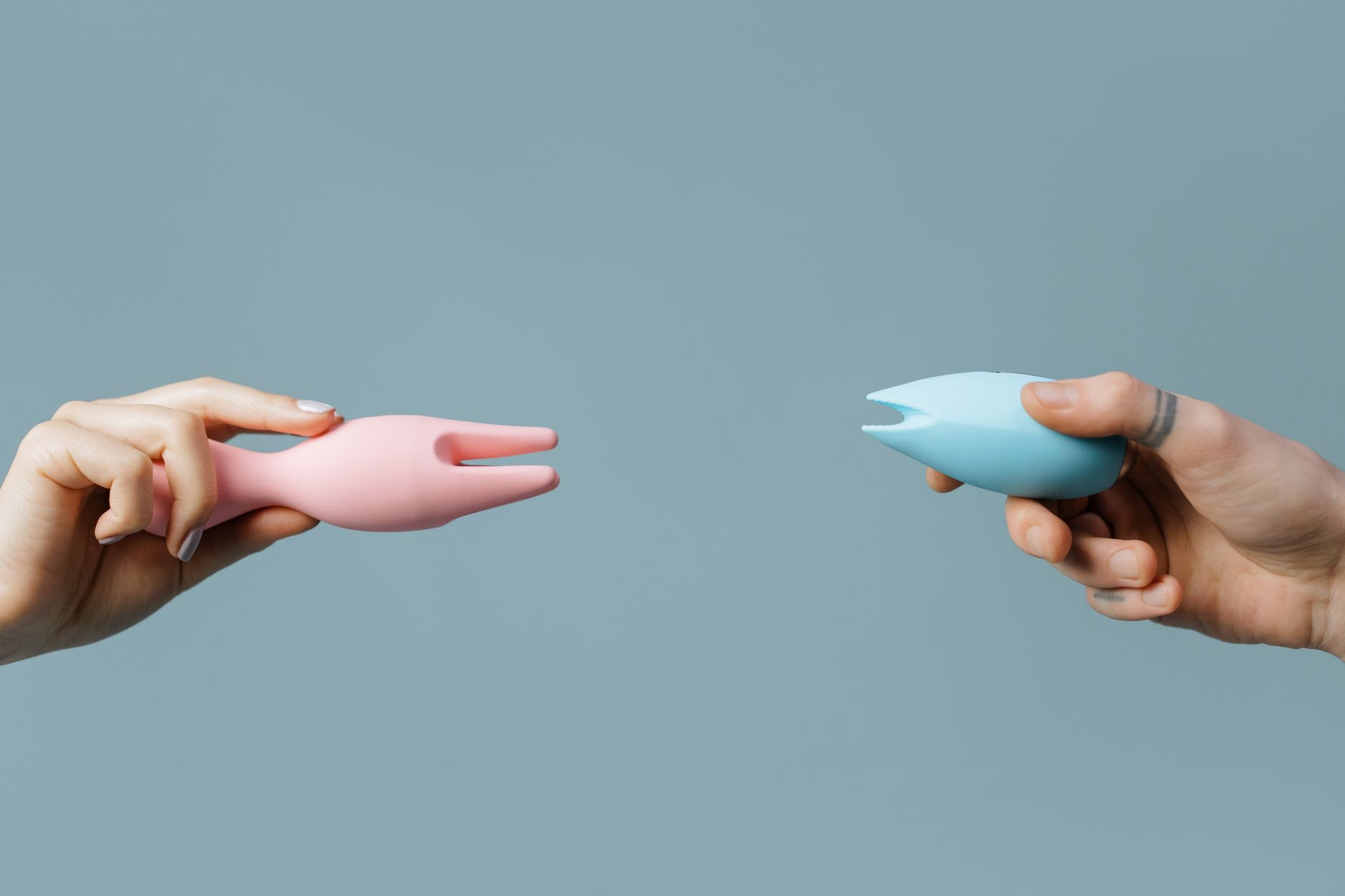
Let's start here: your body hasn't forgotten
Six months. Two years. Five years. Whatever gap sits between then and now, there's a real fear that shows up: that your body has lost the plot. That pleasure is a muscle you've let atrophy past the point of recovery. That you'll try and everything will feel wrong, numb, or worse.
Honestly though, that's not how it works. Your nerve endings don't go dormant. Your capacity for orgasm doesn't expire. What changes is your nervous system's readiness to receive sensation. That's fixable. And it's exactly where a lemon clitoral vibrator comes in.
Why extended absence changes the game
When you haven't had sexual contact for an extended period, three things happen physiologically. First, the pelvic blood flow that feeds arousal gets sluggish. Your neural pathways for sexual pleasure are still there, but they're not being activated regularly, so your brain takes longer to recognize and respond to stimulation. Second, if you've been through relationship ending, health challenges, or trauma during that gap, your nervous system may have shifted into a protective stance. It's not refusing pleasure. It's rationing sensation as a safety mechanism.
Third, and this matters: most people trying to restart sexual activity jump straight into intensity. They expect their body to go from zero to responsive in minutes, the way it might have worked ten years ago. It won't. The tissues need coaxing. The brain needs patience.
A lemon vibrator works differently than manual stimulation because it does the work without requiring your brain to hold tension or your muscles to grip. You can receive sensation passively, which is exactly what your nervous system needs when it's been offline.
Start with zero pressure (literally)
I tell most clients to begin with the lemon vibrator off. Yes, truly. Hold it. Feel its weight. Let your body register that this is something you're choosing, something you control. Spend a day or two just familiarizing yourself with it.
When you turn it on, start at the lowest setting. Not because you're broken, but because low-frequency stimulation wakes up nerve endings gently. Your body doesn't jolt into arousal. It whispers into it. If you jump to pattern 3 or 4, you'll either overstimulate to numbness or trigger your nervous system to shut down completely. Either way, you'll assume it's not working when actually you just skipped the step your body needed.
The warm-up window is your actual practice
After extended absence, arousal takes twenty to forty minutes to build. That's not a problem. That's the architecture of how bodies work when they've been given time to reset. Use that time.
Start with the vibrator on your outer labia, well away from the clitoris. Let the sensation travel. Your body is relearning what pleasure feels like. Don't rush it. After five to ten minutes, you can move closer to the clitoral area. The goal isn't orgasm on day one. The goal is sensation without anxiety. If you come, great. If you just feel more alive in your body than you have in months, that's the win.
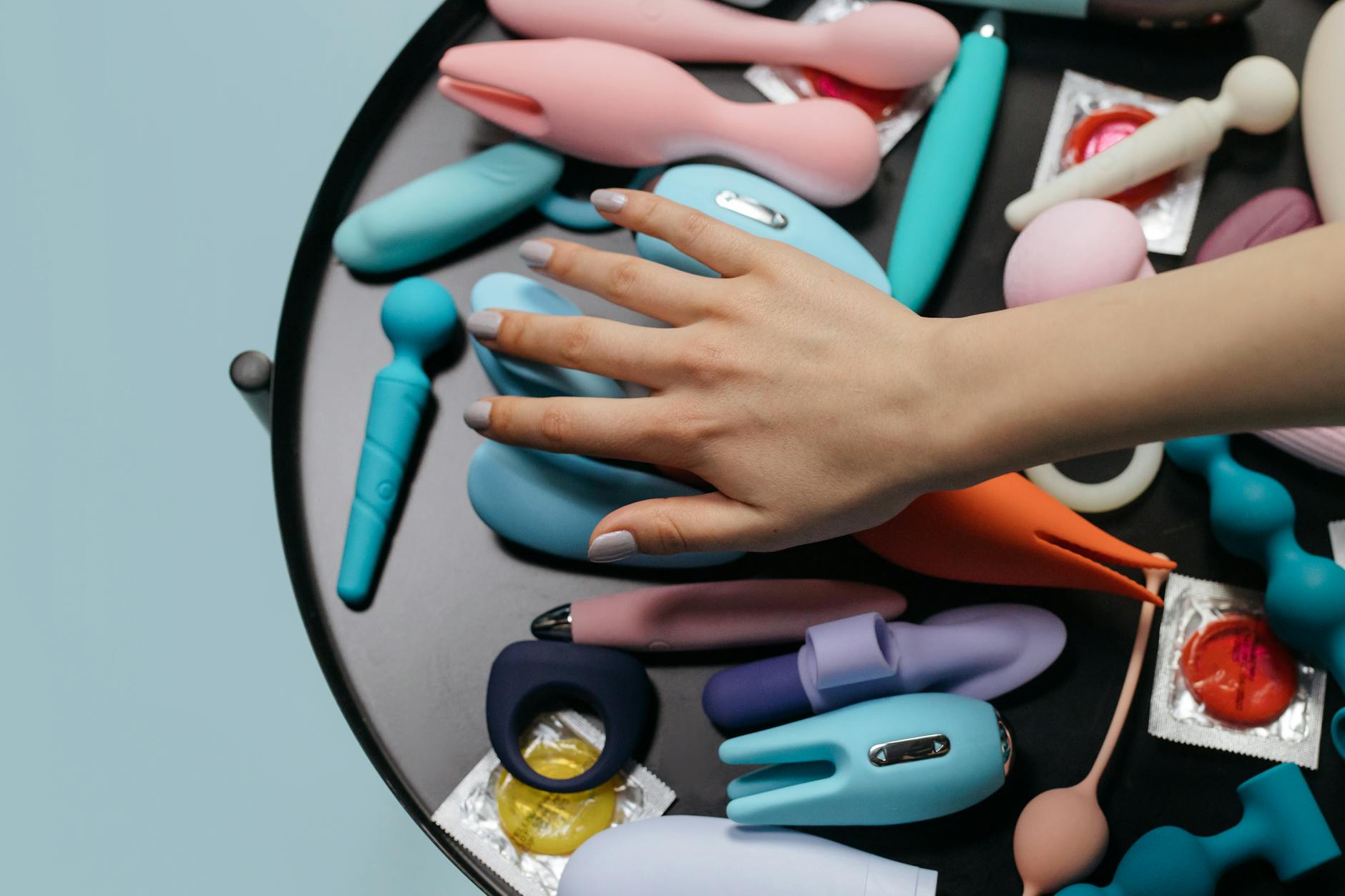
Photo by cottonbro studio on Pexels
Why lemon vibrators beat other options
Air-suction clitoral vibrators like the Lem are specifically good for this situation because they don't require the same direct friction as traditional vibrators. After years of absence, your tissues can be more sensitive. The gentle, pulsing sensation of suction creates consistent stimulation without pain or irritation. You're not fighting your body's sensitivity. You're working with it.
Plus, suction vibrators tend to feel less clinical than wand vibrators. They're more intimate without being more intense. For someone rebuilding a relationship with their own pleasure, that matters.
The nervousness is the work
Here's what most people don't expect: the first time back, you might feel anxious. Your heart rate might climb. You might feel like you're "doing something wrong." That's not a sign to stop. That's your nervous system waking up. Anxiety and arousal use similar neural pathways. Your body is learning to tell the difference again.
Take breaks. Breathe. If you need to stop, stop. This isn't a performance. There's no finish line. Some sessions will feel electric. Some will feel like almost nothing. Both are fine. You're retraining your body's ability to receive pleasure, which takes repetition and patience.
Build sensation slowly across a week
Day one: touch it off. Explore.
Day two or three: turn it on at the lowest setting for five minutes on your outer labia only.
Day four or five: same intensity, longer duration, slightly closer to the clitoral area.
Week two: bump up to pattern two if you want. Extend time to fifteen or twenty minutes.
This isn't a rigid timeline. Your body might move faster or slower. The principle is the same: small increments of sensation, building over time, with breaks between sessions so your nervous system doesn't get overwhelmed.
Photo by FounderTips on Pexels
When numbness shows up (and what it means)
Some people find that using a lemon vibrator feels like pressing against a dead zone. No sensation at all. This is normal after extended absence and doesn't mean your body is broken. It means your neural pathways need more activation time.
Keep going. Not aggressively. Just consistently. Use the vibrator three or four times a week, same time of day if possible. Your nervous system thrives on predictability. After two to four weeks of regular gentle stimulation, sensation usually returns. If it doesn't, check in with your doctor. Sometimes numbness signals a medical issue worth addressing.
How this connects to partner intimacy
If you're rebuilding pleasure alongside a new or long-term partner, solo exploration with a lemon clitoral vibrator first is strategic. You learn how your body responds without an audience. You figure out what intensity and rhythm work for you. Then, when you bring a partner in, you're not asking them to read a book they haven't been given. You know what you like. You can show them.
For specific guidance on incorporating a toy into partner sex after a long gap, how to use a lemon vibrator with a partner new to toys walks you through conversations and logistics.
The mental game matters as much as the physical
After months or years without sexual activity, shame often moves in. You feel broken. You feel like you should want sex and you don't. Or you feel guilty for wanting solo pleasure. That story gets in the way more than any physical factor.
Using a lemon vibrator is a form of permission. You're telling your body and your mind: pleasure still belongs to you. You haven't lost it. You've just been somewhere else, and now you're returning. That's not weakness. That's exactly what rebuilding looks like.
FAQ: Getting back to pleasure
How long does it take to feel sensation again after years without sexual activity?
For most people, noticeable sensation returns within two to four weeks of regular, gentle stimulation. Some experience it in days. Others take two months. Consistency matters more than intensity. Your nervous system needs to learn that pleasure is coming back and it's safe to engage.
Is it normal to feel anxious or emotional when using a lemon vibrator after extended absence?
Completely normal. You're waking up parts of yourself that have been dormant. That can bring up grief, joy, anxiety, or nothing at all. All of those are fine. If the emotional response feels overwhelming, slow down and consider whether talking to a therapist might help you process what's underneath.
Should I use lubrication with a clitoral vibrator if I haven't had sex in years?
Yes. Even if your body isn't producing lubrication naturally, external lubrication reduces friction and makes the sensation smoother and more pleasurable. Use water-based lube with any toy. It won't degrade the silicone and creates the glide your body needs.
Can a lemon vibrator cause pain if my tissues are sensitive from disuse?
Not if you start slowly. The issue isn't the vibrator itself. It's jumping to high intensity on tissues that haven't been stimulated in a long time. Start at the lowest setting and move slowly. If pain appears, stop and check in with a doctor. Pain isn't a sign to push through. It's information.
What if I orgasm almost immediately when I start using a lemon vibrator again?
That's common and it's totally fine. Your body's been waiting. Let it happen. After orgasm, you might feel satisfied and done for the day, or you might want to keep going. Both are normal. There's no "right" way your body should respond. You're learning what it wants again.
How often should I use a lemon vibrator when I'm rebuilding pleasure after a long gap?
Three to four times a week gives your nervous system consistent activation without overwhelming it. If you want to use it more, that's fine. If you need longer breaks between sessions, honor that. You're not training for a marathon. You're remembering how to feel.
You're not starting from zero
Extended sexual absence doesn't erase your capacity for pleasure. It just adds a gap. Closing that gap takes a different approach than maintenance. You're gentler. You're more patient. You expect your body to take time reconnecting. And here's the thing: once you rebuild this connection, it often feels richer than it did before. You know what it costs to lose it. You're less likely to take it for granted.
A lemon vibrator, used thoughtfully over weeks, helps your nervous system remember that pleasure is safe again. That your body is yours again. That sensation is something you deserve to feel.