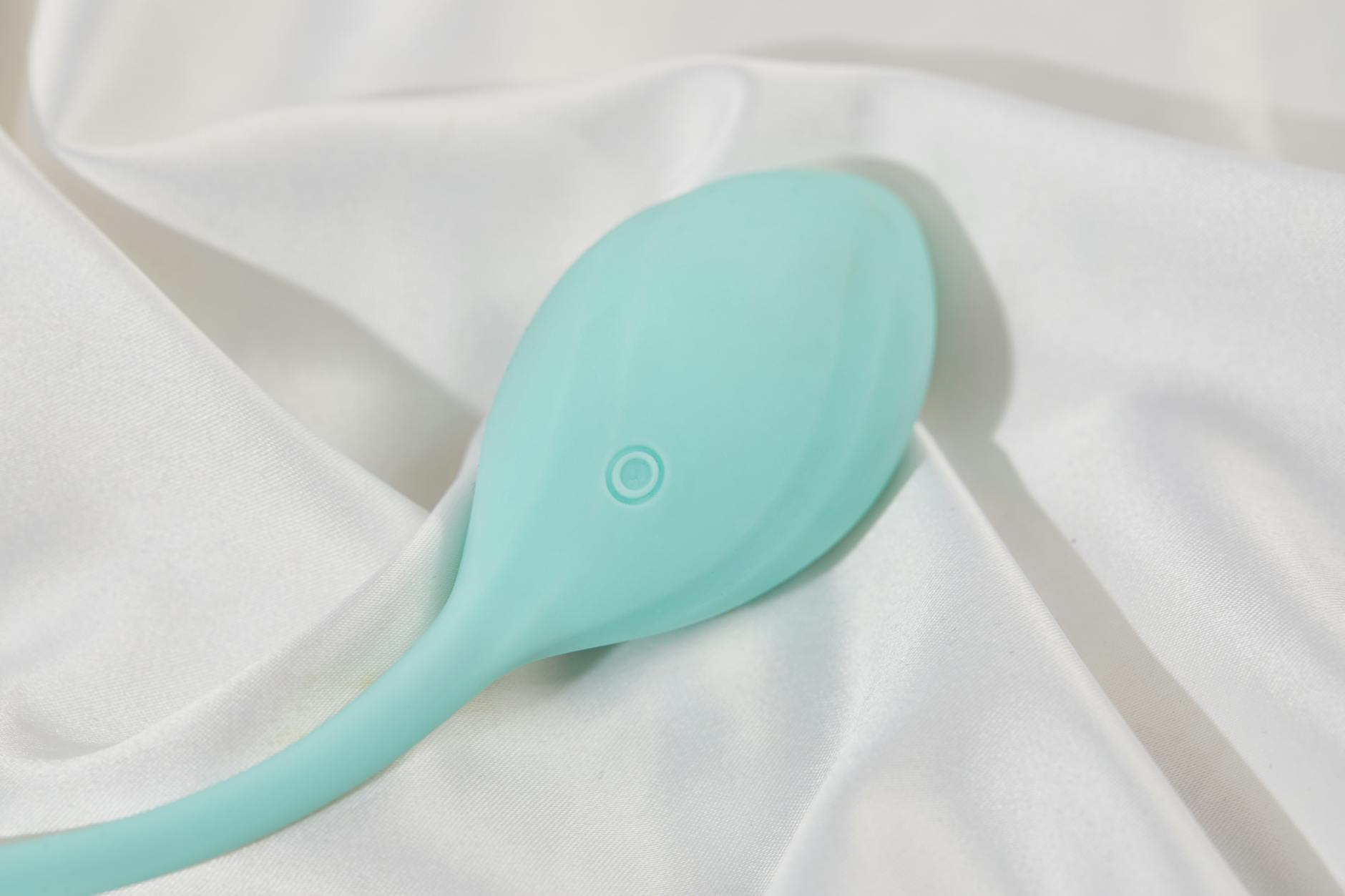
Here's the thing about lube and air-suction toys
Most people assume lubricant is always better for pleasure. With air-suction lemon vibrators, it's more complicated. The short answer: lube can help, but the wrong kind actually kills the whole point.
Let me explain why, and more importantly, what to actually use.
How air-suction lemon vibrators actually work
Unlike traditional vibrators that shake side-to-side, a lemon clitoral vibrator uses rhythmic suction and gentle pulsing to stimulate the clitoris. Think of it more like a massage than a vibration. The sensation comes from the seal created between the toy's opening and your body, plus the air pressure patterns inside the cup.
When that seal breaks or gets disrupted, the whole mechanism fails. You lose the suction sensation entirely.
This is where lube becomes tricky. Too much, and the seal can't hold. Too little, and you might feel friction where you don't want it.
Why standard water-based lube doesn't always help
Water-based lubricant is safer for your body, compatible with silicone toys, and easier to clean up. But it has a weakness: it's wet, and it's designed to reduce friction. With air-suction toys, friction isn't the enemy. The seal is.
Apply heavy water-based lube to the opening of a lemon vibrator before use, and the moisture breaks the seal almost immediately. You'll get a weaker sensation, more slipping, and honestly, just frustration.
This is why so many people try a lemon sucker once and think it doesn't work for them. They've lubed up like they would for penetrative sex, and the toy can't do what it's designed to do.
The right way to use lube with a lemon clitoral vibrator
Here's the strategy that actually works:
Use lube on your body, not on the toy. Apply a light amount of water-based lubricant directly to your vulva a minute or two before turning on the device. Give it a moment to warm and settle. The small amount of moisture will migrate into the cup as you position the toy, but not so much that it floods the seal.
Keep it minimal. A dime-sized amount of lube on the external tissue is usually enough. You're not aiming for slickness. You're aiming for comfort.
Start without lube first. Many people find they don't need it at all, especially if they're naturally lubricated or if they warm up slowly. The sensations from a lemon vibrator are intense enough that added friction isn't usually the problem.
Silicone lube is a no-go. Silicone-based lubricants can degrade silicone toys over time. Stick to water-based options only.
When lube genuinely helps
Lubricant becomes useful in specific situations:
If your vulvar tissue is dry (whether from age, hormones, medications, or just that day), a very light amount of lube can reduce any discomfort and let you focus on pleasure instead of worry. People navigating post-menopausal changes often find that a touch of lube transforms the experience. For more on this, see our guide on why lemon clitoral vibrators work better after 40.
If you're using the toy for longer sessions (20+ minutes), your natural lubrication might diminish over time. A small reapplication midway through can help.
If you're using a lemon vibrator with a partner and want to reduce any friction during partnered exploration, light lubrication on the external area can help. Check out our guide on best lemon vibrator for couples exploring together for more on this dynamic.
The sensation difference: lube vs. no lube
Without lube, you'll feel the suction more directly and intensely. The stimulation is cleaner, more focused. Some people prefer this because the sensation is sharper and easier to feel exactly where you want it.
With light lube, the sensation softens slightly. It's less intense but sometimes feels more comfortable, especially if you're sensitive or just starting out. Many users of the Hello Nancy lemon clitoral vibrator report that they prefer the no-lube approach for maximum sensation, but the choice is entirely yours.
The cleanup factor
Let's be honest: lube adds mess. Water-based lube dries over time, which can create a sticky feeling if you're at it for a while. If you do use it, have a small towel nearby.
Without lube, cleanup is genuinely easier. A quick rinse under warm water immediately after use keeps your toy hygienic and ready for the next time. Most Hello Nancy lemon sucker toys are fully waterproof and designed for this simplicity.
Common mistakes to avoid
Don't use oil-based lubricants with your lemon vibrator. They're not compatible with silicone and can damage the toy.
Don't apply lube to the rim of the cup right before use. Let it settle on your skin first, then position the toy.
Don't assume thick, slippery lube means better pleasure. With air-suction toys, it usually means weaker sensation.
Don't skip cleaning the toy's opening after use if you've used lube. Residue can build up and interfere with the seal over time.
The bottom line
A lemon vibrator absolutely works on its own. Lubricant isn't a requirement. It's an optional tool for specific comfort needs. If you're new to air-suction clitoral vibrators and want to start with confidence, begin without lube. Experience the toy as it's designed to work. Then experiment.
Your body will tell you what it needs. Trust that signal more than any rule about how these toys "should" be used.
Frequently asked questions
Can I use coconut oil with my lemon clitoral vibrator?
Not recommended. Coconut oil is semi-solid and can interfere with the seal on air-suction toys. More importantly, coconut oil isn't easily compatible with silicone toys. Stick to water-based lubricants designed for intimate use.
Will using lube damage my Hello Nancy lemon vibrator?
No. Water-based lube won't damage silicone toys. The concern isn't damage. It's that lube can disrupt the suction seal that makes the toy work. Use lube sparingly, apply it to your body rather than the toy, and you're fine.
What if I naturally produce a lot of lubrication?
That's actually ideal for air-suction toys. Your natural lubrication is thinner and less likely to break the seal than commercial lube. You may not need additional lubricant at all. Start your session and see how it feels.
Is there a specific type of water-based lube you recommend?
Any reputable water-based lubricant designed for intimate use will work. Look for products without glycerin if you're prone to yeast infections, as glycerin can feed the bacteria. Beyond that, brand doesn't matter much. What matters is not using too much.
Can I use my lemon vibrator in the shower or bath with lube?
Yes. Your lemon clitoral vibrator is waterproof. Warm water can actually help your body relax and warm up before use. If you're in water and using lube, even less additional lubricant is needed since water itself provides slip. Test the toy's seal before turning it on to make sure the water hasn't disrupted it.
Why does my lemon vibrator feel less intense when I use lube?
Because the seal is weaker. Moisture disrupts the air pressure pattern that creates the suction sensation. This isn't a fault of the toy. It's how physics works. If you prefer maximum intensity, skip the lube and apply it only to your body, not the toy.